KHTS Radio Santa Clarita Radio – Santa Clarita News


Grow the Perfect Garden in 2023: Choose the Right Plants for the Garden
Are you dreaming of a garden that captivates the senses throughout the year, one that blooms with vibrant colors, entices pollinators, and can withstand changing weather conditions? Look no further! This comprehensive guide will help you choose the right plants for the garden to create a stunning, resilient garden that is both low-maintenance and eco-friendly. Let’s embark on this gardening journey and transform your outdoor space into a haven for both you and the local wildlife.
Key Takeaways
- Create a stunning garden with the right selection of bedding plants and bare root species.
- Enhance your landscape with flowering shrubs, Japanese maples and sun/shade tolerant plants to attract pollinators.
- Design a wildlife friendly garden for all seasons using water wise drought tolerant plants for eco-friendly resilience.
Creating a Stunning Garden with Bedding Plants
Imagine a garden filled with lively colors, drawing the attention of everyone who passes by. Bedding plants are the secret to achieving this vibrant and eye-catching display. These popular plants, such as petunias, marigolds, and pansies, are easy to maintain and can be used to create beautiful arrangements in your garden beds and containers. With the right selection of garden plants and advice from trusted sources like Thompson & Morgan, your garden will become a stunning masterpiece of color and life.
But where do you find the best quality plants for your garden? The answer lies in choosing reputable suppliers and nurseries that provide not only the right plants but also expert advice to help your garden thrive. Selecting quality plants and adhering to the advice of seasoned gardeners can morph your outdoor space into a vibrant, living masterpiece.
Bare Root Plant Selection
If you’re looking for a cost-effective and environmentally friendly option for your garden, bare root plants are the perfect choice. These plants, which include:
- perennials
- trees
- fruit bushes
- roses
- hedging species
are removed from their original growth location with minimal root structure and are devoid of soil. This makes them easier to store, transport, and plant throughout the year.
Keeping the roots moist and guaranteeing appropriate soil drainage is vital when planting bare root plants. Make sure the plants are planted at the correct depth and avoid compacting the soil too much. With proper care, your bare root plants will flourish and contribute to the overall beauty and health of your garden.
Enhance Your Landscape with Flowering Shrubs
Flowering shrubs, like the elegant flowering shrub options listed below, can add a touch of elegance and visual interest to your garden throughout the seasons. Some popular choices for spring and summer include:
- Spirea
- Ninebark
- Azalea
- Weigela
- Rose of Sharon
- Butterfly bush
These bright and cheery flowering shrubs can complete any garden’s aesthetic look. Among these, hydrangeas are particularly admired for their captivating blossoms that start in early summer and continue to bloom until fall.
Select from a plethora of hydrangea varieties like Little Quickfire and Cherry Explosion for a breathtaking display. Combine these with other flowering shrubs like the Sonic Bloom Pink Weigela and Purple Pillar Rose of Sharon for a visually striking garden that will surely impress.
Quality Plants for a Healthy Garden
Choosing quality, disease-resistant, and hardy plants is pivotal for a healthy and prosperous garden. Ground cover plants, such as Flower Carpet Roses, Aubretia, and Creeping Herbs, are excellent options for filling gaps in your garden and keeping the soil covered.
Removing any diseased leaves from your plants is also crucial to avoid possible re-infection on new growth. Dispose of the foliage properly, and avoid including it in home compost to maintain the health and vitality of your garden.
Hanging Baskets and Container Gardening
Hanging baskets and container gardens can add a dynamic and lush element to your outdoor space. To create an eye-catching display, select a mix of trailing, upright, and filler plants from other categories. Some examples of trailing plants include Creeping Jenny, Calibrachoa, and Vinca Vine.
Regular watering, fertilizing, and necessary pruning are key to maintaining the beauty of your hanging baskets and container gardens. With proper care, your containers will overflow with vibrant colors and textures, creating a visually striking addition to your garden.
Japanese Maples: A Focal Point in Your Garden
Japanese maples, scientifically known as Acer palmatum, are small deciduous trees that can add a touch of sophistication and beauty to your garden. Their elegant form, attractive foliage, and autumnal colors are especially striking, making them an excellent focal point in any outdoor space.
Gardening Express is a specialist in Japanese maples, offering a wide variety of options for you to choose from. Incorporating a Japanese maple into your garden design not only boosts the overall aesthetic but also forms an enchanting centerpiece that will fascinate observers in the years to come.
Sun-Loving and Shade-Tolerant Plants
Finding the perfect plants that can thrive in both sunny and shaded areas can be a challenge. However, hostas, ferns, and salvia are versatile options that can flourish in a variety of light conditions. Variegated plants, like hostas, boxwood, and dogwood, are also a great choice for adding visual interest to shady spots in your garden.
For sun-loving plants, consider options like:
- Mandevilla
- Fan flower
- Sweet potato vine
- Catmint
- Bidens
These plants require direct sunlight for a significant portion of the day and can add a vibrant touch to sun-drenched areas of your garden.
Attracting Pollinators with Flowers and Bulbs
Attracting pollinators like bees, butterflies, and hummingbirds to your garden is essential for plant propagation and crop cultivation. Incorporating flowers and bulbs like echinacea, alliums, and foxgloves creates a sanctuary for these crucial creatures, supporting their role in the ecosystem.
Herbs are another great option for attracting pollinators. They can be easily grown and their flowers provide a valuable food source for insects. By choosing the right mix of plants that offer nectar and pollen, you can create a thriving garden that not only looks beautiful but also supports local wildlife.
Some herbs that are particularly attractive to pollinators include:
- Lavender
- Rosemary
- Thyme
- Sage
- Mint
- Basil
Consider planting these herbs in your garden to attract bees, butterflies, and other beneficial insects.
Perennial Power: Low-Maintenance Plants for Year-Round Interest
Perennials offer numerous advantages for low-maintenance gardens, as they return year after year, providing year-round interest with minimal effort compared to annuals. Some popular perennials include:
- Peonies
- Daylilies
- Coneflowers
- Christmas Rose or Lenten Rose
Regular watering and fertilizing, alongside pruning and deadheading, are necessary for maintaining the health and optimal appearance of your perennials. By incorporating a mix of perennials into your garden, you can create a continuous display of color and texture that will keep your outdoor space looking beautiful throughout the seasons.
Trees for Small Gardens and Urban Spaces
Selecting the right trees for small gardens and urban spaces can be a challenge, but there are many ornamental options available, such as crabapples, redbuds, and dogwoods. These trees can contribute character and structure to your landscape, without taking up too much space.
Other small ornamental trees that can enhance your garden include Japanese maples, smoke trees, and redbuds. These trees not only provide visual interest but also offer a unique and captivating addition to your outdoor space.
Gardening Tips for Beginners: Seeds, Soil, and Planting
Initiating a garden might appear intimidating, but a few key tips can make your gardening journey a breeze. First and foremost, select the appropriate plants for your geographical area and the amount of light they require.
Next, invest in nutrient-rich soil to provide the best foundation for your plants to grow. Watering your plants correctly and on a regular schedule is also of utmost importance. To ensure your soil is suitable for gardening, consider testing it to identify any deficiencies or imbalances that may need to be addressed.
Water-Wise Gardening: Drought-Tolerant Plants
Creating a resilient garden that conserves water is not only eco-friendly but also practical in the face of changing weather patterns. Drought-tolerant plants like succulents, lavender, and ornamental grasses can withstand dry spells and require less water than other plants.
Succulents, such as Lemon Coral and Emerald Empress Hens and Chicks, are particularly well-suited for water-wise gardening. Incorporating these drought-tolerant plants into your garden design results in a gorgeous and resilient landscape that prospers in even the most challenging conditions.
Creating a Wildlife-Friendly Garden
Encouraging wildlife to visit and inhabit your garden can be a rewarding experience for both you and the local fauna. By selecting plants that produce:
- berries
- nuts
- seeds
- nectar
- pollen
you can provide a valuable food source for birds, insects, and small mammals.
To further support wildlife, you can:
- Create shelter by planting shrubs and trees
- Install nesting boxes and other structures
- Provide water sources by installing bird baths, ponds, and other water features.
Creating a wildlife-friendly garden allows you to relish in the beauty of nature while bolstering the local ecosystem.
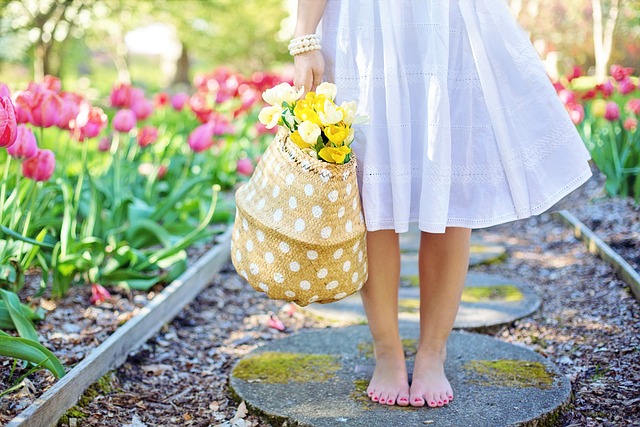
Image by Jill Wellington from Pixabay
Designing a Garden for All Seasons
A garden that offers beauty and interest throughout all seasons requires a careful mix of plants, including:
- Spring bulbs
- Summer flowers
- Autumn foliage
- Winter evergreens
Evergreen plants, like Gin Fizz Juniper and Little Sprinter Boxwood, retain their green foliage throughout the year, providing a vibrant touch during the colder months.
Check the plant tag or description when choosing evergreen plants to gauge the eventual size of the specimen. By incorporating a variety of plants that offer year-round interest, you can create a garden that is not only visually stunning but also a source of enjoyment and relaxation throughout the seasons.
Summary
In conclusion, creating the perfect garden involves a thoughtful selection of plants that provide beauty, resilience, and support for local wildlife. By choosing the right mix of bedding plants, bare root plants, flowering shrubs, and perennials, you can cultivate a garden that is not only visually stunning but also low-maintenance and eco-friendly.
Remember, the key to a successful garden lies in understanding your local climate, choosing quality plants, and providing proper care. With these tips in mind, you can transform your outdoor space into a haven of beauty and tranquility that will captivate and inspire for years to come.
Frequently Asked Questions
Which garden plants flower all year round?
Coneflowers are a great choice if you’re looking for garden plants that will flower all year round. They’re easy to grow, come in lots of colors and sizes, and have summer and fall flowers as well as winter seedpods for added interest. These plants are also drought tolerant and can thrive in a variety of soil types. They’re also attractive to pollinators, making them a great choice for a wildlife-friendly garden. Plus, they’re
What is the easiest plant to garden?
Lettuce is by far the easiest plant to garden – it can be sown directly in your garden bed and harvested in as little as 4 weeks. Other vegetables that are considered easy to grow include bell peppers, blackberries and raspberries, cabbage, cucumbers, garlic, strawberries, tomatoes and zucchini and squash.
What plants that can survive winter in UK?
Pansies, Hostas, Catmint, Box Hedging, Echinaceas, Lily of the Valley and Purple Hellebore are all plants that should survive a UK winter.
What is the best month to plant a garden?
For the most successful garden, it is best to plant hardy perennials in the fall or spring when the soil is moist and warm, with mild temperatures. Many vegetables can also be planted in the spring months of March to May.
What are some popular bedding plants for a stunning garden?
Petunias, marigolds, and pansies are popular bedding plants for creating a stunning garden.