KHTS Radio Santa Clarita Radio – Santa Clarita News

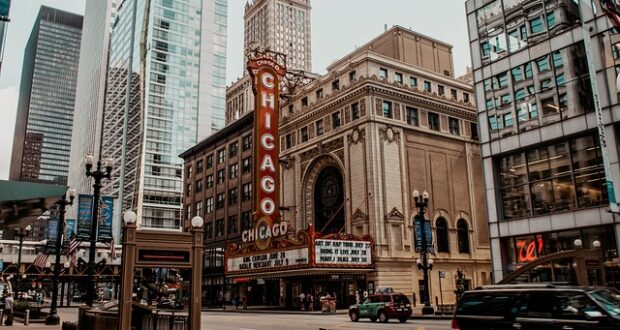
Living in Chicago offers a unique blend of urban excitement and Midwestern charm, making it an appealing choice for many. However, like any major city, it has its advantages and disadvantages.
This article explores the pros and cons of living in Chicago, highlighting the vibrant cultural scene, diverse food options, efficient public transportation, weather challenges, high cost of living, and traffic and parking issues.
Pros of Living in Chicago
Vibrant Cultural Scene
Chicago’s cultural scene in 2024 continues to thrive and evolve, reflecting the city’s deep-rooted history of creativity and diversity.
The Windy City boasts a vibrant cultural tapestry that spans across various domains, including art, theater, and music, making it a pulsating hub of artistic expression.
Notably, the Art Institute of Chicago and the Museum of Contemporary Art offer residents and visitors alike a rich tapestry of artistic experiences, showcasing everything from ancient artifacts to contemporary masterpieces.
These world-class institutions and the city’s diverse neighborhoods contribute significantly to Chicago’s cultural vibrancy, creating a melting pot of creativity and expression that’s hard to find elsewhere.
Adding to the city’s cultural allure are its numerous shows and performances that captivate audiences and enrich the community. Chicago’s theaters, concert halls, and performance venues are central to its identity as a cultural powerhouse, presenting a wide range of genres and disciplines.
From Broadway musicals and theatrical productions to symphony concerts and comedy shows, there’s something for everyone. These shows not only entertain but also challenge perceptions and stir emotions, contributing to the city’s reputation as a hub of artistic innovation and experimentation.
World-class theaters like the Goodman Theatre, Steppenwolf Theatre Company, and Chicago Shakespeare Theater provide a platform for both established and emerging talents to share their work, reflecting the city’s spirit of innovation and artistic excellence.
Diverse and Delicious Food Scene
Chicago’s food scene in 2024 is a testament to the city’s incredible diversity and culinary innovation, reflecting its rich cultural tapestry through an array of dining experiences that cater to every palate and preference.
From the upscale Korean delights at Jeong, where traditional flavors are elevated through modern preparations, to the communal, European-style dining at The Publican, focusing on pork and seafood, Chicago’s restaurant landscape is both varied and vibrant.
Establishments like S.K.Y. on the Lower West Side offer Asian-inspired menus that defy expectations, while Mi Tocaya Antojería in Logan Square presents Mexican cuisine with unmatched authenticity and innovation.
Adding to the city’s culinary allure, Chicago hosts numerous food festivals and events that celebrate its gastronomic diversity.
The Taste of Chicago, the city’s largest outdoor food festival, has been a staple for over 40 years, featuring iconic lakefront celebrations and neighborhood pop-up events.
Similarly, Chicago Restaurant Week has become an eagerly anticipated event since its inception in 2008, offering special prix fixe menus that showcase the best of Chicago’s dining scene.
This event not only highlights the city’s culinary excellence but also fosters a sense of community and healthy competition among restaurants.
Moreover, Chicago’s neighborhood food festivals, like the Windy City Smokeout and Oktoberfest Chicago, underscore the city’s love for both international cuisines and American culinary traditions, providing residents and visitors with endless dining options throughout the year.
Efficient Public Transportation
Chicago’s public transportation system, recognized for its efficiency and extensive network, is a critical component of the city’s infrastructure, serving both the city and its surrounding suburbs.
Managed by the Chicago Transit Authority (CTA), the system is the second-largest in the nation and facilitates about 1.7 million rides on an average weekday, covering not just the city of Chicago but also 40 surrounding suburbs.
The CTA operates under a robust framework that includes both bus and train (‘L’) services, ensuring comprehensive coverage across the city and its outskirts.
This extensive network is supported by various initiatives and improvement projects to enhance service delivery, accessibility, and environmental sustainability, such as the Red Ahead program and the All-Stations Accessibility Program.
Furthermore, Chicago’s commitment to public transportation is underscored by its ranking as the eighth-best system in the U.S., with a Transit Score of 65. The city is well-connected by eight subway lines and 129 bus routes, with regional transit services provided by Metra (train) and Pace (bus) that extend connectivity to 35 suburbs.
The CTA’s efforts to modernize stations, upgrade tracks, and center community hubs around subway stations have marked significant progress toward improving the city’s public transportation infrastructure.
The ongoing initiatives, including the planned improvements to bus and subway services and the extension of the Red Line, reflect Chicago’s proactive approach to addressing the challenges of urban mobility and accessibility.
Cons of Living in Chicago
Weather Extremes
Chicago, renowned for its towering skyline and vibrant urban life, also experiences a wide range of weather extremes that can pose challenges to residents and visitors alike.
In January 2024, the city witnessed temperatures plunging to a frigid -9°F, showcasing the harsh winters Chicagoans prepare for each year.
This temperature range emphasizes the city’s susceptibility to severe cold, a staple of its winter months, which often necessitates the opening of warming centers across the city to provide refuge from the extreme cold.
Aside from the cold, Chicago is also prepared for other weather extremes, including blizzards, which can disrupt daily life with heavy snow, strong winds, and life-threatening wind chill.
The city’s Office of Emergency Management and Communications provides resources and advice for dealing with such conditions, highlighting the importance of staying prepared for winter weather advisories, storm watches, and blizzard warnings.
These conditions underline the importance of emergency preparedness in the face of severe weather, showcasing the city’s resilience and community spirit in ensuring safety and comfort during extreme conditions.
High Cost of Living
The cost of living in Chicago is notably higher than the national average, making it an important factor to consider for those thinking about moving to or living in the city.
According to PayScale, living expenses in Chicago are about 20% higher than the national average, with housing being one of the significant contributors, being 52% higher than elsewhere in the country.
Despite this, utilities are slightly less, by about 3%, compared to the national average, offering a small respite in the overall cost burden.
On a more detailed level, everyday expenses such as groceries and dining out also add to the high cost of living.
For instance, a basic lunch in the business district can cost around $18, and groceries carry their premium with a gallon of milk priced at about $4.87 and a dozen eggs going for around $4.34. Even transportation costs, including public transit and gasoline, are factors that residents need to account for in their monthly budgets.
The city’s public transit system, while extensive and reliable, has a monthly pass cost of $105, adding a significant amount to monthly expenditures.
Traffic and Parking Challenges
Navigating through Chicago’s bustling streets can indeed present a variety of challenges, especially when it comes to traffic congestion and parking.
The city is known for its vibrant events and numerous attractions, which, while enriching the urban experience, often contribute to heavy traffic and limited parking availability.
Events such as the Chicago Bears games at Soldier Field, concerts, and races like the Race to Wrigley 5K significantly impact traffic flow and parking options, with specific areas designated for rideshare drop-offs and tailgating rules enforcing order but also indicating the complexity of managing vehicle space during large gatherings.
Moreover, the City of Chicago’s Traffic Management Authority (TMA) plays a crucial role in ensuring the smooth movement of traffic, especially during special events, emergencies, and high-traffic periods.
Traffic Control Aides (TCAs) are deployed across the city to assist in traffic direction and pedestrian safety, highlighting the city’s proactive measures to mitigate congestion and facilitate urban mobility.
Nevertheless, dealing with parking tickets and traffic violations can be a bureaucratic process, often requiring attendance at traffic court hearings or utilizing online platforms to pay or contest tickets.
These factors combined underscore the challenges residents and visitors face regarding traffic and parking in Chicago, necessitating patience and planning to navigate the city’s bustling streets.
Preparing for the Move
Moving to Chicago, IL, is made easier with the availability of reliable moving and storage companies.
Planning your relocation with the help of professional movers can alleviate the stress of the moving process, ensuring a smooth transition to your new home in this dynamic and thriving city.
Relocating to Chicago, IL, is more than just a change of address; it’s an opportunity to become part of a community that offers a high quality of life, economic prosperity, and a supportive environment for families and individuals.
With its excellent schools, safe neighborhoods, and vibrant lifestyle, Chicago is indeed a great place to live, work, and raise a family.