KHTS Radio Santa Clarita Radio – Santa Clarita News

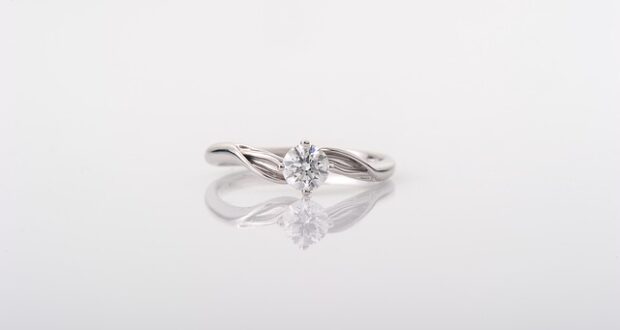
Weird things happened in jewelry. No one can remember when, but the laws that governed this business for a century just… stopped. Well, they bent, but they broke, and then they wrote themselves again.
Today, modern fine jewelry looks nothing like the jewelry your grandma rocked. And thank the universe this was the case, to be honest.
The Old Way Was Kinda Broken
Traditional fine jewelry had this formula going. Rare stuff + good craftsmen + massive markup = luxury. You paid because things were scarce. You paid for the brand name on the box. You paid because questioning prices felt almost inappropriate.
That trick worked for decades. Nobody had options, so nobody pushed back.
Then lab-grown diamonds showed up. Then Moissanite got seriously good. Then, younger buyers started asking awkward questions—where’d this stone come from? Why does it cost this much? What am I actually paying for here?
The old jewelry houses didn’t enjoy those conversations. But they couldn’t shut them down either.
Craftsmanship Got Better, Not Worse
Here’s the thing nobody expected—modern fine jewelry craftsmanship actually improved. Technology didn’t kick skilled jewelers to the curb. It handed them better tools.
CAD design lets a jeweler see exactly how a setting looks before cutting any metal. 3D printing spits out precise wax models. Laser welding makes repairs possible that would’ve been a fantasy twenty years back.
Human artistry stays human. The precision part? That went superhuman.
A lab-grown diamond engagement ring today can have setting work that matches—maybe beats—anything the fancy jewelry houses made last century. The tools are just that much better now.
Craftsmanship is thriving. It just doesn’t look the way it used to.
Designers Can Actually Breathe Now
When diamonds cost what they cost, designers had handcuffs on. Experimenting was scary because screw-ups were expensive. Safe designs won because risky designs could bankrupt a project.
Modern fine jewelry broke those handcuffs off.
Wanna try a Moissanite ring with some unconventional cut? Do it. A lab-grown diamond engagement ring with a setting nobody’s attempted before? The numbers actually work now. Designers take swings because materials don’t destroy the budget when experiments flop.
What we’re seeing out there:
- Geometric shapes that were too scary before.
- Materials mixed in ways traditionalists would’ve hated.
- Settings that feel more like sculpture than jewelry.
- Pieces with actual personality.
The engagement ring market, especially, is bursting with choices now. Vintage vibes, ultra-modern looks, organic forms, architectural stuff. Modern fine jewelry doesn’t mean picking between three acceptable options anymore.
Ethics Became Non-Negotiable
This part flipped everything on its head. Luxury used to mean not asking questions. If something sparkled and cost a fortune, that was enough.
Not anymore, folks.
Buyers today—young ones, older ones too—want the backstory on their jewelry. Ethical mining? Worker treatment? Environmental footprint?
Traditional diamond mining stumbled on those questions. Supply chains were muddy. History was messy.
Lab-grown diamond engagement rings and Moissanite rings had cleaner answers. Made in labs. Zero mining. No sketchy supply chains. No lying awake wondering if your engagement ring funded something awful.
Ethical luxury stopped being a nice bonus. It became table stakes. Modern fine jewelry that can’t answer sourcing questions honestly? That feels outdated now.
“Luxury” Got a New Definition
The meaning shifted. We think that’s a win.
- Old luxury: Pricey because it’s rare. Status because others can’t swing it. Value tied to scarcity games and exclusivity nonsense.
- New luxury: Beautiful because someone made it well. Ethical because origins matter. Valuable because it lasts—not because someone artificially limited supply.
A Moissanite ring with killer craftsmanship and thoughtful design? That’s luxury. A mediocre diamond ring with jacked-up pricing because “diamonds are forever”? That’s just overpriced.
Modern fine jewelry customers get this. Price tags alone don’t impress them. They want quality, ethics, and design that actually speak to them.
Customization Blew Up
Mass-produced jewelry still exists. But the growth in modern fine jewelry? That’s happening in customization land.
People want pieces that feel like theirs. An engagement ring reflecting their actual relationship—not some catalog pick. Settings tweaked for their hand. Stones are chosen for their specific taste.
Tech made customization affordable. Commissioning one-of-a-kind pieces used to require serious wealth. Now, regular couples can get something unique without financial ruin.
What customization looks like these days:
- Picking your exact stone from real options
- Tweaking existing designs with personal touches
- Building entirely new pieces without insane pricing
- Mashing up different styles into something hybrid
A lab-grown diamond engagement ring can be fully customized for less than a standard mined diamond sitting in some display case. That’s a fundamental shift right there.
Some Old Stuff Still Makes Sense
We’re not chucking everything traditional in the trash. Some old-school elements stick around because they earned it.
Classic cuts survive because they make stones look amazing. Round brilliants, ovals, emerald cuts—these aren’t leaving. Decades proved their worth.
Quality materials still count. Gold, platinum—they earned their spot through actual performance, not just hype.
Skilled handwork keeps its value. Machines help out, but are the finishing touches making jewelry special? Still human hands and eyes.
Modern fine jewelry isn’t burning tradition down. It’s keeping what performs and ditching what doesn’t. That means inflated prices, ethical fog, and boring, limited options get the boot.
Who’s Actually Doing This Right
We’ll be straight with you—Rosec Jewels built around this whole evolution. Not because we predicted the future or anything. We just agreed on where things were heading.
We understood why lab-grown diamonds and Moissanite rings for engagement made sense to us. That combination of ethical sourcing, great craftsmanship, design freedom, and pricing that wouldn’t put you into a second mortgage felt like what contemporary fine jewelry should actually feel like.
Our collection shows that thinking. Classic designs with modern precision. Contemporary pieces take creative risks. Customization that makes fine jewelry feel personal again.
We’re not alone in this approach. But we’re doing it intentionally, not just trend-chasing.
Where This All Goes
Modern fine jewelry keeps moving. Lab-grown tech improves constantly. Design possibilities grow with new tools. Customer expectations for honesty only climb higher.
Brands that make it will embrace craftsmanship, design guts, and ethical sourcing together. Not as marketing fluff—as actual practice.
This evolution isn’t done cooking. But the direction? Crystal clear. Gorgeous, high-quality, ethically made fine jewelry — that’s not an alternative route anymore. That’s becoming the main road.
And honestly? About damn time.