KHTS Radio Santa Clarita Radio – Santa Clarita News

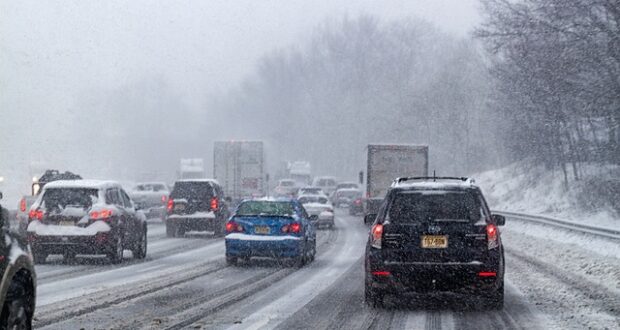
A road trip may be a thrilling adventure, providing an escape from the routine of daily life and the opportunity to visit new places. However, the unpredictability of weather can cause considerable difficulties for drivers. Preparation and mindfulness are the keys to a safe and pleasurable journey. Here are some detailed safe driving recommendations to assist you in handling various weather situations while on the road.
Pre-Trip Preparation
Before you set off, it’s crucial to prepare your vehicle. This means checking the tire pressure, ensuring that your lights and wipers are fully functional and that fluids are topped up. If you’re considering purchasing a vehicle specifically for road trips, consider a salvage dodge charger. These models can be a robust and economical option for long drives if properly restored and maintained.
Navigating Rainy Conditions
Rain can quickly transform a drive into a slippery, visibility-reducing ordeal. To manage these conditions, slow down to prevent hydroplaning and keep a greater distance from the vehicle in front of you. Ensure your windshield wipers are effective and replace them if they are worn out. Use your headlights to increase visibility, but avoid high beams as they can cause glare.
When driving in wet conditions, put on your vehicle’s air conditioning to assist in reducing humidity and keep the inside of your windshield from fogging. If the rain is intense and your visibility is seriously impaired, pull over to a safe location and wait out the worst of the storm. It is preferable to come late rather than risk an accident by driving in poor visibility circumstances. When traveling in inclement weather, always prioritize safety over time.
Handling Foggy Situations
Fog reduces visibility dramatically, making it difficult to see other road users and navigate the road ahead. In foggy conditions, use your fog lights if you have them, or keep your headlights on low beam. This helps other drivers see you without reflecting light at you, which can happen with high beams. Reduce your speed and concentrate on the road markings to guide you.
Dealing with Snow and Ice
Winter brings the beauty of a snowy landscape, but it also brings challenging driving conditions. To handle snow and ice, invest in winter tires that provide better traction. Drive slowly and brake gently to avoid skidding. If you’re caught in a snowstorm, stay in your vehicle and wait for help if you’re not confident about your ability to drive in such conditions.
In addition to being equipped with the correct tires, having chains on hand might be vital for additional traction in locations where snow and ice are particularly severe. Keep your fuel tank at least half full to prevent the fuel line from freezing and to ensure that you have enough gas to keep the engine running for heat if you are stuck. Furthermore, bring a winter emergency kit with a blanket, a flashlight, a shovel, and some refreshments. Always advise someone of your route and planned arrival time so that in the event you do get stuck, aid knows where to locate you. Remember, it’s not only about battling with the elements; it’s also about being prepared for any situation that can come.
Confronting Extreme Heat
High temperatures can lead to overheating engines and tire blowouts. In hot weather, check your engine coolant levels and tire condition before setting out. Park in shaded areas whenever possible and use sunshades to protect your vehicle’s interior. Stay hydrated and take regular breaks to prevent fatigue.
Coping with Windy Weather
Strong winds can be unsettling, particularly for high-sided vehicles or when driving through open areas. Grip your steering wheel firmly and be prepared for sudden gusts. Give more room to cyclists, motorcyclists, and trucks, as they can be more affected by wind.
When driving in windy conditions, it is also important to be aware of your surroundings and anticipate potential risks, such as debris blown onto the road or fallen branches and trees. Adjust your speed properly to keep control of your vehicle and avoid being blown into adjacent lanes. Find a safe spot to halt if the wind becomes too strong, away from trees or heavy vehicles that could tumble over. Maintaining your calm and attention will allow you to respond effectively to the unexpected nature of strong winds.
Driving Through Desert Climates
Deserts can be unforgiving with their vast open spaces and extreme heat. Ensure your air conditioning is in good working order and carry an ample supply of water. Be mindful of the possibility of sand on the road, which can reduce traction, and watch for unexpected sandstorms.
Reacting to Sudden Storms
Thunderstorms can bring heavy rain, hail, and high winds without much warning. If you find yourself in a thunderstorm, seek shelter if possible. If driving is unavoidable, slow down, maintain a safe distance from other vehicles, and avoid flooded areas.
During such violent storms, it’s critical to keep your eyes on the road and be prepared for lightning, which can briefly blind drivers. If you get caught in hail, pull over in a safe location to avoid damage to your vehicle and stay inside until the hail stops. If lightning strikes nearby, keep in mind that your car works as a Faraday cage, distributing the energy around the vehicle’s surface and protecting you. Stay inside your vehicle, keep metal components away from each other, and wait for the storm to pass. Your safety is critical, and adopting these precautions can help you navigate the storm safely.
What Should I Do if the Car Is Affected by Weather Conditions?
If your car is affected by adverse weather conditions, consider taking the following actions:
- Check Tire Pressure and Tread: Fluctuating temperatures can affect tire pressure. Ensure they are inflated to the manufacturer’s recommended level and that the tread depth is sufficient for safe traction.
- Maintain Visibility: Replace any worn windshield wipers and fill up your windshield washer reservoir with a fluid appropriate for the weather conditions, such as a de-icing formula for winter months.
- Protect Your Battery: Cold weather can reduce battery capacity. Have it tested and replace it if it’s not holding a charge well, to avoid being stranded with a dead battery.
- Antifreeze is Key: Ensure that your radiator is filled with antifreeze to prevent it from freezing in cold weather, which could lead to overheating and engine damage.
- Regular Washes: In areas with snow and ice, roads are often covered with salt, which can lead to rust and corrosion. Regularly washing your car, including the undercarriage, can help prevent this.
- Keep an Emergency Kit: Stock your car with an emergency kit that includes items like a blanket, first-aid supplies, a flashlight, and water, in case you’re stuck in your car for an extended period.
- Monitor Fluid Levels: Hot and cold weather can cause engine fluids to deplete quickly. Regularly check your oil, coolant, and other fluid levels.
- Use a Car Cover: If you don’t have covered parking, use a car cover to protect your vehicle from elements like hail, heavy rain, or falling tree sap.
Whatever weather challenges you may face on your road trip, the essence of safe driving in adverse conditions is to be alert, cautious, and well-prepared. With the right approach, you can enjoy the freedom of the open road, whatever the weather may bring. Remember that a road trip isn’t just about reaching your destination; it’s about ensuring you and your loved ones enjoy the journey safely. In the event of a car accident caused by weather-related factors, hiring a car accident attorney can help you navigate the complexities of insurance claims and potential legal proceedings.