KHTS Radio Santa Clarita Radio – Santa Clarita News

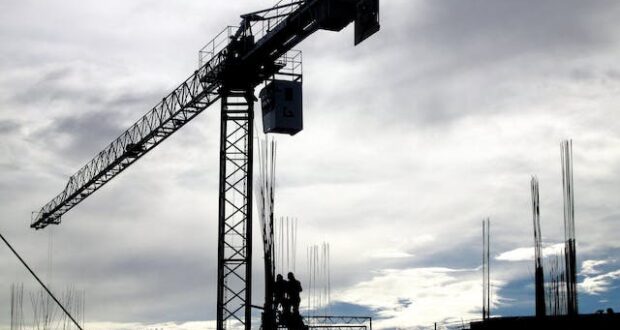
Cranes can reach heights of more than 200 feet and carry more than 19 tons. These incredibly tall structures are vital for high-rise constructions and are dependable, for the most part. But like any machine, cranes are prone to failure, especially after long-term use without proper maintenance. However, crane failures are purely accidental at times.
This article will discuss some of the most common crane safety failures and their dire consequences. We’ve also thrown in a few safety tips to keep you safe at work.
What Are the Most Common Causes of Crane Accidents?
Here are some of the most common causes of crane accidents.
Crane Overload
There’s always a need to get the job done quickly enough. However, the shortcuts you take may prove catastrophic. Take crane overloads, for instance. While adding a little bit of extra weight on the load or over-extending the crane a few meters may get the job done faster, it can also subject the crane to unmanageable structural stress, causing irreversible damage and even accidents.
Electrical Hazards
Between 1986 and 1989, 65% of work-related electrocutions occurred in the construction industry. What’s more concerning is that 30 of these electrocutions involved a crane. Cranes use a tremendous amount of power. Since they operate some distance above ground, they utilize high-voltage wires to transport the electricity to the necessary components.
With repeated use, these wires become worn out, increasing the likelihood of bare, uninsulated wires coming into contact with the crane. In such scenarios, anyone in contact with the crane, including the operator and anyone loading, unloading, or just leaning on the crane, becomes instantly electrocuted.
There’s also the possibility of electrical equipment failure, particularly the motor. Like any other motor, crane motors have a contact control system that utilizes differently-positioned contacts to communicate to the motor when and in what direction to move. When these contacts fail, the motor may not start when needed or fail to stop, leading to a serious accident.
Worn Out Components
Cranes are made of different components. All these components must work synergistically for proper operability. If any of these systems fail, the results can be catastrophic. Some of the most wore-prone components in a crane include:
- Brakes: Like vehicles, the brakes on cranes wear out naturally over time. If not changed, these worn-out brakes may not provide sufficient friction to stop the crane when needed.
- Gearboxes: Gearboxes on a crane typically control the direction and speed at which the crane is moving. With time, crane gearboxes are subject to wear, which is usually indicated by an oil leak or clunky operation. Gearbox failure can cause the crane to sway uncontrollably and fail to respond when needed.
- Bearings: The bearings on a crane facilitate everything from loading and hoisting the load to the movement of the crane itself. With time, some bearings become worn out, limiting the crane’s operation efficiency. In worst-case scenarios, these bearings may fail altogether, leading to a complete halt of operations and even accidents.
Improper Crane Assembly
Most crane accidents are caused by improper assembly. Any mishap during assembly can lead to a total boom collapse. Boom collapses are mostly common in scenarios where the crane does not have proper blocking supports to hold the load it is carrying. In such cases, the load could move, causing the crane to collapse.
How to Prevent Crane Accidents
90% of crane accidents occur as a result of human error. This means that a majority of crane accidents are preventable.
Choosing the right crane and getting it on-site is only the first part of the job. You also have to ensure that it’s working correctly. In that regard, you should perform the following:
- Pre-Start Check: Pre-start checks occur before starting the crane. At this stage, the operator should check for several things, including oil level, brakes, air reservoir, and seatbelt conditions, among other things.
- Engine Startup Check: Here, the operator should start the engine and check the pressure gauge, turn signals, fuel level, braking system, and suspension.
- Safety Systems Check: As the name suggests, a safety systems check typically involves inspecting whether the safety systems on the crane are working correctly. This includes everything from the rating capacity limiter and anti-two block to the outriggers that drastically impact the crane’s operation.
Only Utilize Qualified Personnel
Using a crane might seem pretty straightforward, but doing it right takes an experienced hand. In that regard, you should only hire qualified, certified individuals properly evaluated to operate cranes on job sites.
Select the Appropriate Crane for the Job
Cranes come in various types but generally fall under two categories: fixed and mobile. Each type is suited to specific operations. For instance, fixed cranes are best suited for industrial settings and complex construction projects, while mobile cranes are used for smaller, less demanding projects requiring a lot of moving around.
Some of the most popular mobile cranes include:
- Crawler Crane: Crawler cranes use tracks instead of rubber wheels, making them especially suitable for construction sites with soft, slippery terrain.
- Carry Deck Crane: Carry deck cranes are highly mobile and feature easy setup features. Unfortunately, unlike their predecessor on the list, they don’t handle slippery terrain well.
- Rough-Terrain Crane: As the name suggests, rough terrain cranes are perfectly suited for sites with rough terrain. Unfortunately, they can’t move on the road, necessitating additional transport requirements.
- All-Terrain Crane: All-terrain cranes are versatile. They can handle a wide range of stipulated jobs on-site and can use public roads to get there.
The Bottom Line
Crane safety is the number one concern for site managers in construction sites. Accidents emanating from improper use can lead to serious accidents and even death. Therefore, it is always advisable to take necessary precautions to safeguard both yourself and your employees when on the site.