 KHTS Radio Santa Clarita Radio – Santa Clarita News

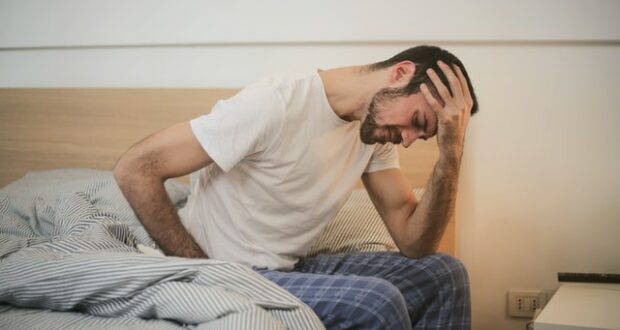
Sleep apnea is a common condition that makes a person unable to breathe for short periods while sleeping. Besides preventing a good night’s rest, sleep apnea can be fatal since it results from a disruption in key respiratory functions. People with sleep apnea experience frequent breathing interruptions or apneic events that cause them to gasp and wake up due to insufficient oxygen intake. Those with Obstructive Sleep Apnea (OSA), the most common type of sleep apnea, experience loud and unnatural snoring with intermittent bouts of silence at certain periods. Some are unaware that their breathing has stopped at some point during sleep, only to wake up the next morning feeling sleepier and more tired than usual.
If left untreated, this sleeping condition could cause a range of ailments such as diabetes, heart disease, stroke, and high blood pressure or hypertension. To prevent sleep apnea from becoming a life-threatening disorder, here are some treatment options that you or your loved ones can easily achieve at home.
1. Oral appliances
Oral appliances are meant to be worn to keep your airways open. Categorized as either tongue stabilizing devices or mandibular advancement devices, oral appliances work by moving the tongue or lower jaw forward to lightly decrease back throat obstruction during sleep. They are also comfortable, non-invasive, and easy to use; making them suitable for those new to sleep apnea treatment.
Although it’s common for doctors to recommend Continuous Positive Airway Pressure (CPAP) machines for moderate or severe sleep apnea cases, some recommend oral appliances as an alternative for patients that can’t tolerate Automatic CPAP machines. There have also been reported mask-related side effects of prolonged CPAP usage including airway irritation, bronchitis, and pneumonia. In fact, a class-action CPAP lawsuit has been filed due to health risks stemming from polyester-based polyurethane (PE-PUR). If you would like to explore further, you can find out more on this page.
2. Other airway pressure devices
Besides CPAP, there are other breathing devices that can help those with sleep apnea get a safer and more energizing rest. One of which is the Bilevel Positive Airway Pressure (BiPAP) machine that works to deliver pressurized air to regulate breathing patterns. BiPAP machines deliver higher pressure for inhalation and lower air pressure for exhalation.
Another effective airflow device is the Adaptive Servo-Ventilation (ASV) machine, which uses a computer to analyze your normal breathing patterns and prevent breathing pauses through air pressure. While proven effective, patients with heart issues and Central Sleep Apnea (CSA) might be better off with other options.
3. Change of habits
For those with milder cases of sleep apnea, doctors usually recommend simple lifestyle changes and healthier daily activities. Relax your throat muscles by cutting your smoking habit and avoiding alcohol intake, especially in the evening.
You should also avoid mixing alcohol with medications like sleeping pills and tranquilizers.
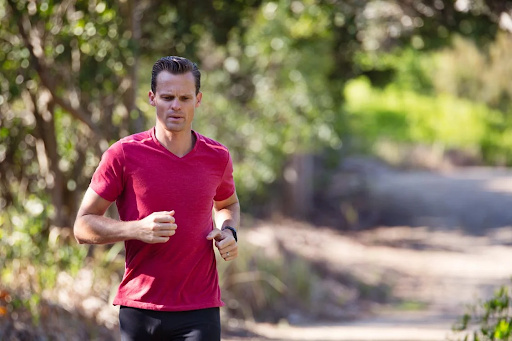
A change of lifestyle is good for treating sleep apnea.
4. Exercise and losing excess weight
Because sleep apnea is most common among obese or overweight people, doctors also recommend losing weight to relax throat muscles and relieve constriction. Sleep apnea can also return when you gain weight, which is why maintaining a healthy weight is necessary to prevent recurring episodes long after symptoms have been resolved.
But even without losing weight, you can still ease symptoms through regular exercise. Set aside approximately 30 minutes for moderate activities like brisk walking at least 3-4 days a week.
5. Change sleeping positions
If you’re a back-sleeper, you need to shift to sleeping on your side to prevent apneic events. Sleeping on your back tends to block your airway because your soft palate and tongue both rest against your throat. Try to avoid rolling on your back and sleep on your abdomen or side instead.
There are devices on the market to prevent back-sleeping, but attaching tennis balls onto the back of your pajamas can also do the trick.
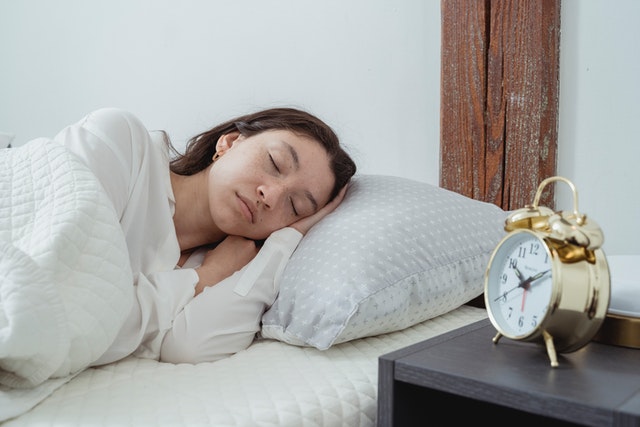
Sleeping on your side can prevent sleep apnea.
6. Nasal decongestants
Nasal decongestants help relieve symptoms of sleep apnea such as snoring. In particular, decongestants like humidifiers are effective in keeping your airways unblocked to prevent snoring caused by throat irritation and nasal congestion.
Besides making your home smell nice, essential oils like thyme, eucalyptus, and rose also have anti-inflammatory benefits.
Sleep apnea can be manageable
You don’t have to let sleep apnea rule your life! With proper guidance and a strong motivation to get better, this condition can be less scary and more manageable. Don’t forget to be mindful of your body, do your research, and listen to your doctor so you can sleep—and think—more peacefully.




Great piece of writing with immensely informative contents! I really liked the writing style and the whole process of the story building. Waiting for more posts! Cheers!!