KHTS Radio Santa Clarita Radio – Santa Clarita News

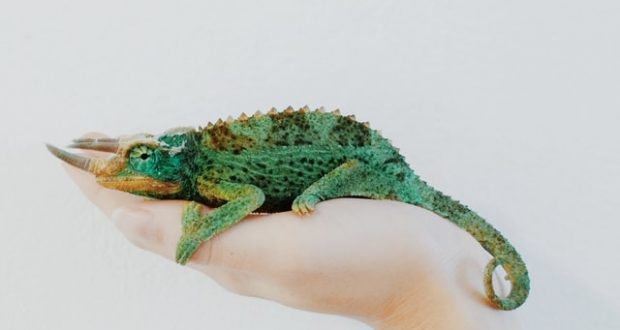
Can You Give Your Pet What They Need?
People tend to believe that getting a new pet is only a monetary investment. While the cost of the initial pet and its supplies may run you into the thousands – there’s much more everyone should think about before considering an animal addition to the family.
This stands true for any pet owner – especially those looking into getting a pet reptile. If you’re in the market for a new reptile friend or have recently become a reptile parent, it’s important you gain all the knowledge you can on how to properly care for them.
Their Habitat
Unlike dogs and cats, a reptile’s natural environment is far different from how humans live.
The first matter at hand should be to make sure the cage you acquire for your pet is not only the proper size but also escape-proof. Think back to all the reptile documentaries you’ve watched and how easy it would be for a snake to escape its cage.
In terms of cage size – each reptile grows to different sizes so it’s always important to research your specific pet and its growth schedule. If you visit Reptile.Guide you’ll be able to get even more information on your pet specific to its breed. Stunting their growth with a small cage can be detrimental.
Adding UV bulbs and the light they provide can quite literally be a reptile’s lifeline. Not only does it improve their eating and increase their immune system, but it prevents the reptile from dying prematurely and a variety of other health issues.
What They Eat
Just like humans, reptiles need the proper nutrition in order to live their lives to the fullest capacity. Their diets – like their habitats – are heavily dependent on their breed.
Although the one thing they do have in common is that most reptiles need a diet full of meat and insects. There will likely be no turning your pet into a vegetarian without risk to its health.
Here are just a few examples of a reptile’s diet:
Snakes
- Insects
- Birds
- Rodents
Lizards
- Eggs
- Fruits and Vegetables
- Worms, flies, and other basic insects
- Baby mice
Tortoises
- Vegetables (especially greens)
- Flowers
- Insects
- Fruits
Your reptile may also require specific elements that come with their diet. For Instance, some snakes won’t even go near a mouse that isn’t still moving and tortoises prefer their food still – they aren’t about the hunt.
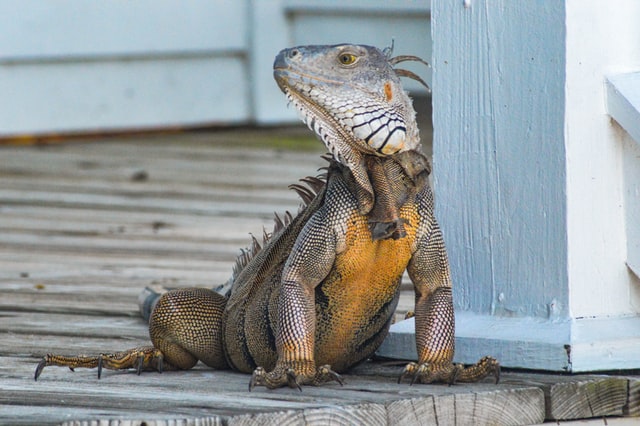
Maintaining Their Health
Now that you have a basic understanding of the key aspects of how to keep a reptile alive – let’s look into how to maintain their health.
Wash Your Hands
There’s a reason why reptiles and amphibians live out of the way of humans – bacteria and germs. Whenever it’s necessary to touch your pet make sure you not only wash your hands thoroughly but leave them damp in order to protect your pet’s skin.
Having any bacteria on your hands can actually make them sick.
Keep Away From Sunlight
Making sure you keep your pet’s cage or tank away from a window is detrimental. The heat from the sun can cause the habitat temperature to rise to unsafe levels. They have no way to cool down by themselves. Their only option is getting out of the sunlight.
When habitats become too cool the reptile stops eating or hibernates – it’s actually less fatal to them in comparison to the heat.
The reptiles’ UV light should also be checked and changed regularly to ensure they’re getting the correct and safe levels of UV.
Vitamin Supplements
In addition to their healthy diet, they’ll also need extra nutrition from vitamins. Some important vitamins for most reptiles include Vitamin D3 and Calcium.
Vitamin D3 substitutes for the sunlight they would have gotten out of captivity and the calcium promotes proper bone growth.
Keeping Yourself Safe
Of course, it’s important to maintain your pet’s health, but what’s even more important is that you keep yourself and your household safe as well.
Use Caution Handling Food
If you’re using frozen mice and other animals as food, be careful with the handling. These animals can be carriers for some concerning germs that have the potential to make you very sick.
Wash Your Hands
We mentioned washing your hands earlier before touching them in order to protect your pet, but it’s also important to wash your hands after handling them for you. There can also be bacteria living on your reptile that is harmful to humans.
Overall it’s important to wash anything your reptile, or your contaminated hands come in contact with. If possible cleaning supplies outdoors is recommended.
Are You Ready?
All in all taking care of a reptile is a huge responsibility. Before you venture out for a reptile of your own, make sure you’ve done the proper research in order to keep the reptile and yourself as safe as possible. Good luck!
Sponsored Articles
KHTS FM 98.1 and AM 1220 is Santa Clarita’s only local radio station. KHTS mixes in a combination of news, traffic, sports, and features along with your favorite adult contemporary hits. Santa Clarita news and features are delivered throughout the day over our airwaves, on our website and through a variety of social media platforms. Our KHTS national award-winning daily news briefs are now read daily by 34,000+ residents. A vibrant member of the Santa Clarita community, the KHTS broadcast signal reaches all of the Santa Clarita Valley and parts of the high desert communities located in the Antelope Valley. The station streams its talk shows over the web, reaching a potentially worldwide audience. Follow @KHTSRadio on Facebook, Twitter, and Instagram.