KHTS Radio Santa Clarita Radio – Santa Clarita News

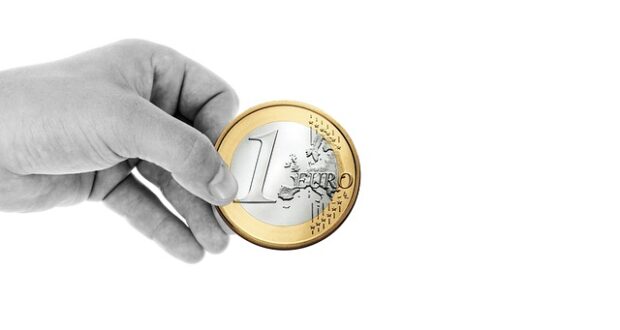
The European economies haven’t been faring very well this year. Because of it, the Forex market saw a lot of surprises and curious events that essentially saw many currencies lose a good chunk of their value over the various crises, financial and economic problems.
Large swaths of the world saw some change in the financial field, but it directed the European economies more starkly. The balance of money there changed, and the euro rather quickly turned from a much stronger, more stable alternative to dollar to a struggling currency.
Energy Crisis
Perhaps one of the most influential and well-known factors that initially drove the value of the euro down was the energy crisis that started back in the spring. It was caused by that whole situation in Ukraine and was essentially an attempt to balance the shutting down of Russian profits and the fulfillment of Europe’s need for gas.
The consequences weren’t very good for the Eurozone (where most of the particularly gas-based economies are), caused high inflation and eventually made the euro lose 20% of its pre-crisis value. In contrast, the Russian ruble, despite now being mostly a pariah currency, grew by around 15%.
The USD/EUR has long been a very popular currency pair, the first in the charts by volume and popularity. The Euro has suffered some setbacks, but it’s still in the lead compared to many other currencies (barring dollar, of course). See the EURO live chart here if you want to keep track.
Further Agricultural Crisis
The agricultural crisis followed later in the summer, also because of the Ukrainian situation. You can clearly see where the agricultural crisis hit, alongside with the worsening gas crisis, in late August. It’s after this point that USD became more costly than EUR, for the first time since 2003.
It essentially dipped the trust in euro even further, which caused an additional drop in value, at least for the USD/EUR currency pair. Despite the continuing problems, the signs of recovery started appearing by this point. It wasn’t until later, however, that the value started improving.
November Improvement
Right as October crossed into November the value of euro against dollar started to improve. The former crossed the 1:1 exchange rate again, but in the opposite direction. There have been some speculations as to why exactly the euro decided to deflate again, but there is currently no clear answer.
There are two possible explanations.
One of them is that the winter is now estimated to be less cold than it could have been. What’s more, many countries in the Eurozone estimate that their energy supplies have been sufficiently filled before the winter. In this struggle between the ruble and euro, the weakening of one essentially means the strengthening of the other.
The other possible reason is the failures of the Russian side in Ukraine, which might explain the increased trust in the euro. It is a rather obscure possibility, but Forex works on emotions as well as cold logic. Both reasons can be behind this, but we’ll only know what’s going on later.
What Next?
The Euro is currently on the rise, but it might not last. Unless something terrible happens to the ruble, EUR is estimated to shrink come winter frost. If it does that, it’ll surely rebound by the end of the cold. Even so, there are countless things that can influence the course of this currency, which we can’t see now.