KHTS Radio Santa Clarita Radio – Santa Clarita News

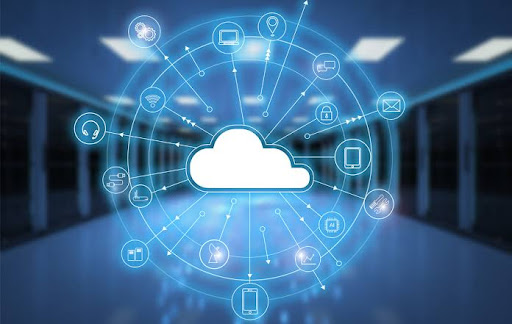
With the increasing popularity of cloud computing, there is a clear need for businesses to move their data centers from the physical to the virtual world. There are many tools like google workspace ransomware protection available in the market today that help you in managing your data storage load and protect it from multiple threats. The migration from a physical data center to a virtual data center involves many steps and requires a lot of effort. These include:
- Removing physical infrastructure and services: In a virtual data center, the entire physical space is replaced by software-based infrastructure. All servers are virtual machines running on cloud storage companies like Amazon Web Services (AWS), Microsoft Azure, Google Cloud Platform, or OpenStack, with all servers running on the same network and under the same administration. The removal of hardware does not mean that there are no server or storage resources available for storing data in “virtual data centers”. Hardware may continue to be available in the data center that is used to store the virtual data center’s data. In this case, hardware resources are not consumed for storing virtual data center data but can be utilized for other purposes. This article will explain some of the migration issues related to a physical data center and how they can be handled with a cloud-based infrastructure.
- Migration from physical storage: In a large-scale product such as an enterprise database, all of the data resides in a single location. If a physical data center is no longer available, the only option is to migrate the entire application to some cloud environment.
- Migration to a cloud infrastructure: If a physical data center is no longer available, migrating all of the data to some new cloud environment becomes the only option.
- Disaster recovery (or business continuity): In a disaster, for example, if the power goes out, we may want to be able to burn copies of the database at one or more locations in case something critical happens. Upsizing from a single data center is not an option because you would have to move all data around and it would be really expensive. DRS would be helpful for this purpose but it is not a requirement since you can run the backups and thus have a high availability option in place.
- Server virtualization: I believe that virtualization is important in many organizations and should be supported by Clustered Data Warehouse (CDW) as well as by any other type of enterprise data warehouse solution. A single data center may not have enough resources to support all kinds of management software which can run on three or four different platforms at the same time.
- Storage: I believe that storage is equally important in any solution and should be supported by Clustered Data Warehouse (CDW) as well as by any other type of enterprise data warehouse solution. A single data center may not have enough resources to support all kinds of management software which can run on three or four different platforms at the same time.
The Types of DDoS Attacks and Their Impact on Businesses
DDoS attacks are one of the biggest threats to enterprise IT systems. This paper will explain the top 5 types of DDoS attacks and how they affect businesses, data centers, and all industries. All of these types of attacks have different impacts on each type of business.
Domain Name System (DNS) is the domain name provider that allows customers to reach a printer, a website, or an email address on the Internet. It also provides users with IP addresses to navigate the Internet on their computers and mobile devices. The DNS protocol is one layer above TCP/IP. The forthcoming IETF standard for IPv6 DNS over MPLS is due out next year, with a draft release expected in the first half of 2014.
IBM will introduce an open-source framework called “AI Everywhere” that aims to automate the design and deployment of software-defined data centers.
What is the Impact of Denial of Service Attacks on Businesses?
Cloud storage provider tools are used by businesses to store and share their data. These tools are available on a wide range of platforms and can be accessed from anywhere.
Denial of service attacks, which is the process of making other people’s services unavailable, has been getting more popular in recent years. The main reason for this is that attackers can use these tools to make a website inaccessible or even crash it completely. This is why many companies have started using cloud storage providers to store their data so that they don’t have to worry about losing it if an attacker takes over their server.
How to Migrate Your Business to the Google Cloud Platform
Cloud computing is a big topic in today’s digital world. It is used by many companies and organizations to provide their clients with the best services. However, there are still some areas that need to be improved. One of them is the migration of your business from on-premise servers to cloud servers.
Content management systems (CMS) are an important part of any business, as they help companies manage content and make it accessible to their customers. However, there are still some challenges in terms of migrating your CMS from one server to another server or different clouds.
- The first challenge is that you need to decide which CMS will be used for your website and how you want it configured on each server – you can use a traditional CMS like WordPress or Joomla, but if you want more control over your content then go for something like Drupal or Movable Type.
- The second challenge is that once you have decided which CMS will be used for your website, what kind of CMS to use, how it should be configured, and how you want to structure your website. You need a CMS that allows you to centralize all your pages or sites, put them into groups such as “news” or “articles” and display each page in a .html file. This would look like this: site title …and then the following code…
Conclusion:
Best Ways to Manage Your Data Storage Load and Protect It from Multiple Threats with Common Tools in the Cloud.
Data storage is a powerful tool for any business. It allows businesses to store their data and make it available to other companies and customers. However, many threats can affect data storage, such as viruses, malware, ransomware, etc.