KHTS Radio Santa Clarita Radio – Santa Clarita News

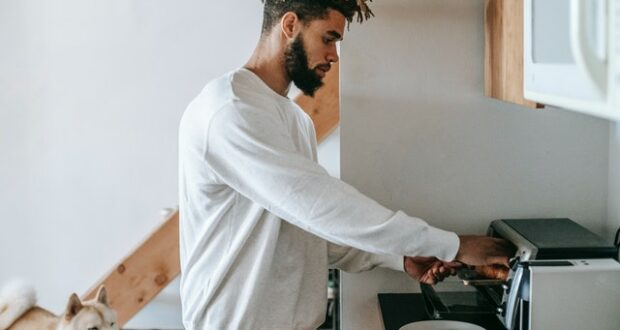
Microwaves are a common appliance used by many people to heat food. They are also great for cooking popcorn, defrosting frozen foods, or even reheating coffee. However, what many people don’t know is that some materials should not be put in microwaves. If you want to use your microwave without worrying about causing damage to it or the items inside of it, please read on!
1. Metal Utensils
The fact that much kitchenware is made of metal these days is a boon to microwaves. Aluminum and stainless steel are both great in the microwave, though they mustn’t be scratched or dented since this could cause them to warp when heated up. The Yeti cups, for example, made of thick metal, have been used by coffee lovers around the world. When using Yeti cups in the microwave, ensure the lids are off, don’t put them in front of anything metallic, and keep them away from any nearby appliances. The contents in the cup will take longer to heat up due to the thickness of the cup, so keep stirring it in between to even out the temperature.
2. Plastics
Let’s not forget about good old-fashioned plastic when discussing microwavable materials. For starters, check if your utensils are safe by seeing whether they’re labeled as microwave-safe or not (though this label is usually reserved for food containers). If you want a general rule of thumb to follow, avoid plastics that have any metal content in them and stick with either glass or ceramic whenever possible.
3. Paper Towels (unbleached)
Another material to use in the microwave is paper towels. However, it is important to note that you should only use unbleached or brown colored paper towels when microwaving them. Otherwise, they will begin to burn very quickly and have a bad taste in your food.
Instead of using regular white-colored paper towels, go for some old rags instead, since these work great as sponges too!
4. Wax Paper
Wax paper is safe to use in the microwave and can be used to keep food moist. However, it’s not recommended for cooking since it can create heat pockets that may cause a fire. Wax paper should never be used under high temperatures or heated directly on gas burners, as this will result in toxic fumes being released into your home.
If you’re looking at the wax paper – don’t buy anything with a polyethylene coating on one side of the roll unless otherwise stated by the manufacturer. This type of wax has been known to produce potentially carcinogenic toxins when overheated. This includes any greasy pizza boxes, candy wrappers, etc., typically lined with some form of plastic before reaching their final destination in the grocery store.
There is no definitive answer as to whether a wax paper can be used when microwaving food, but it’s good practice not to use anything with a plastic coating when placing foods into your microwave for heating. It should also never be placed under high temperatures or heated directly on gas burners either – this will result in toxic fumes being released into your home, which are harmful to you and your family members!
Wax paper works great for taking hot items out of the oven cooked at 350°F or less since it won’t melt until around 425°F (218°C). Just make sure there aren’t any grease spots before using it if you’re trying to remove something from an oven rack. This will reduce the chances of it sticking to your food.
5. Styrofoam
Styrofoam is considered safe to microwave. This type of plastic is generally safe to use with microwaves, but a few things need to be noted. First, do not place Styrofoam near the door or any opening in the oven, as these areas tend to have more exposure than other regions within the oven cavity.
Second, since this type of material does not absorb liquid, it should never be used for containing liquids before heating them in a microwave. While it may seem like an excellent candidate for reheating A good cup of coffee or tea, doing so will lead to very unpleasant results and potentially dangerous situations due to hot liquid spilling over onto your skin when removing it from the microwave. If you must reuse Styrofoam cups, make sure they only contain dry items.
6. Glassware/ceramic plates and bowls

Glassware/ceramic plates and bowls are microwaves safe to use. Ceramics don’t react with food or the microwave, so they’re pretty much a no-brainer here. Glass can pose some problems if it’s older (and therefore more prone to breaking), but in general, you should be good as long as there aren’t any chips or cracks that could cause it to break easily while heating your food.
If the food has a high sodium content, don’t use glass containers to reheat them, as this might cause an explosion of the container due to steam build-up inside. Also, it’s advisable to remove the ridges on glass cups and plates, as they tend to gather steam and might explode.
It’s important to know what materials are safe to microwave. This will help you avoid a fire or other accidents when the wrong material is microwaved. Mentioned in this article are safe materials and unsafe materials. Now that you know what is allowed to go into the microwave, it’s time to sit down and enjoy your meal.
Sponsored Articles
KHTS FM 98.1 and AM 1220 is Santa Clarita’s only local radio station. KHTS mixes in a combination of news, traffic, sports, and features along with your favorite adult contemporary hits. Santa Clarita news and features are delivered throughout the day over our airwaves, on our website and through a variety of social media platforms. Our KHTS national award-winning daily news briefs are now read daily by 34,000+ residents. A vibrant member of the Santa Clarita community, the KHTS broadcast signal reaches all of the Santa Clarita Valley and parts of the high desert communities located in the Antelope Valley. The station streams its talk shows over the web, reaching a potentially worldwide audience. Follow @KHTSRadio on Facebook, Twitter, and Instagram.