KHTS Radio Santa Clarita Radio – Santa Clarita News

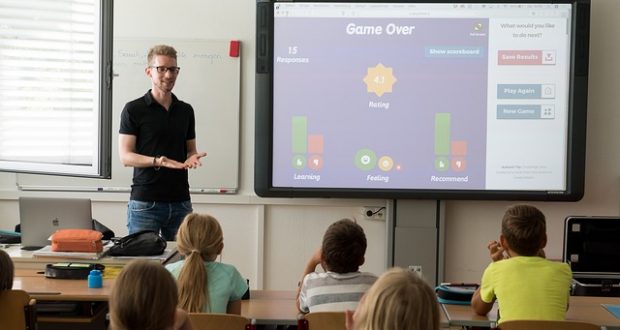
Educational leaders play a critical role in the provision of education and they are important for the growth and improvement of communities around us. With successful educational leaders, schools become the incubators of learning that they should be and offer an environment where students can be encouraged, challenged and nurtured. Poor educational leadership can be detrimental, which leads to the question of, ‘what makes for a successful educational leader?’ What qualities do they possess? Let’s take a closer look.
They Understand the Importance of Community
Education systems rely on the communities within and outside them. By cultivating these communities, educational leaders can leverage the relationships and partnerships within them to help their schools out. In building these networks, educators have to build trust between parents, staff, students, community members and other interested parties.
Once these communities are created, everyone feels obligated to play their part in ensuring the school is as successful as possible. With a robust community, teachers feel they can be trusted to educate their students however they see fit, students are connected to the school, and families become more supportive of the educational leader and staff because they trust them. All of this leads to better outcomes for students and the community.
They Empower Teachers
Great leaders know they do not work in a vacuum. They also understand that they cannot do everything on their own. To achieve the objectives they have set, they know they need to surround themselves with great teachers. They also know that they must fully support their teachers by pushing them to keep improving and developing themselves as well as becoming leaders.
When teachers feel empowered and fulfilled and know they have growth opportunities, they become more effective, productive and more engaged. The autonomy and control that this empowerment gives them over their careers also produces the same effects.
Once an environment that fosters professional development and offers teachers the support they need to experiment, lead and be innovative is created, teachers perform better and this has a massive positive effect on their students.
They Utilise Data and the Resources Available to Them
Successful school leaders understand the value of data as well as using it as a tool for continuous improvement. They also use data to inform decisions that help provide equitable opportunities for their students. Data presents so many opportunities and insights and should be used to make strategic decisions that benefit students.
School leaders can use various tools to dissect this data and present it in a way that is understood by everyone who has a stake in ensuring the school is successful.
They Do Not Stop Learning
A thirst for knowledge is perhaps one of the most important qualities a school leader can possess. The best educators understand that they will never know or learn everything there is in education, but they are willing to put enough effort into learning as much as they can. Although they know they are highly knowledgeable, they are still humble in the knowledge that there is a lot more to learn. They are curious and inquisitive individuals who never stop asking questions and learning.
School leaders also understand that education is complex, dynamic and always evolving. To keep up, some of them opt to complete an MA in Education programme or keep updated on the latest research around education.
They are Visionaries
Successful educational leaders do not only have a vision that they use to rally students, staff, teachers, parents and other interested parties; they also have a plan on how to achieve this vision. Additionally, they can explain their goals and vision to anyone using clear terms.
Vision is so important because it can act as a source of momentum and direction, especially where the set goals are realistic and attainable. All team members should believe in this vision and be willing to take the necessary actions required to achieve it.
Also, the school leader should be passionate about their vision. Passion is contagious and can generate inspiration, excitement and motivation among all interested parties.
They Can Solve Problems Creatively
Solving problems is another very important quality that successful educational leaders possess. They help resolve conflicts between teachers, parents and students while finding creative solutions to other problems like being understaffed or underfunded.
Additionally, these leaders do not wait for problems to manifest before they come up with a resolution. Instead, they anticipate problems and have solutions ready. This ensures that if a problem arises, they can respond to and resolve it quickly.
They are Dedicated to Their Students
Many students think that their headteacher’s role is to punish them or come in when their teachers are unable to deal with a student. Although this is part of their job, many of them try to stay as far away from it as possible.
Instead, they put more effort into knowing who their students are, what problems they face and providing solutions to these problems and challenges. School leaders should work to ensure their students understand that their job is not to make the students’ lives more difficult. When school leaders have a wholesome relationship with their students, advice, punishments and reprimands become a lot more effective.
They Lead by Example
Actions matter a lot, especially in a school setting where an educational leader interacts with their students. Successful leaders lead by example and become the role models their students look up to. When they lead by example, these leaders are respected and admired by students, parents and staff. This is very important as it makes their work easier because people are usually more likely to respond positively to people they respect and admire.
Educational leadership is important but difficult too. To be a successful educational leader, you need to possess qualities that make it easier for you to thrive in that leadership position. Many of these qualities come naturally, but many of them can be learned either at university or on the job. At the end of the day, educational leadership is about ensuring students have a great learning environment they can thrive in and making sure there is harmony between all involved.
Sponsored Articles
KHTS FM 98.1 and AM 1220 is Santa Clarita’s only local radio station. KHTS mixes in a combination of news, traffic, sports, and features along with your favorite adult contemporary hits. Santa Clarita news and features are delivered throughout the day over our airwaves, on our website and through a variety of social media platforms. Our KHTS national award-winning daily news briefs are now read daily by 34,000+ residents. A vibrant member of the Santa Clarita community, the KHTS broadcast signal reaches all of the Santa Clarita Valley and parts of the high desert communities located in the Antelope Valley. The station streams its talk shows over the web, reaching a potentially worldwide audience. Follow @KHTSRadio on Facebook, Twitter, and Instagram.