 KHTS Radio Santa Clarita Radio – Santa Clarita News

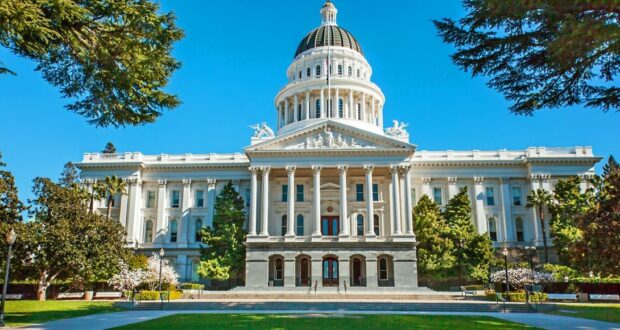
From higher wages and cheaper insulin to paper-only grocery bags and expanded renter protections, hundreds of new California laws are set to reshape daily life beginning in January.
Nearly 800 new laws approved by California lawmakers are set to take effect at the start of 2026, bringing changes that will impact workers, renters, consumers, businesses, health care, education, elections, public safety and more.
Here is a breakdown of some of the most significant laws taking effect in January 2026.
Laws impacting workers
- SB 3: California’s minimum wage will rise to $16.90 per hour under SB 3 to account for inflation. The salary threshold for exempt workers will also increase to $70,304 annually. Some local minimum wages and industry-specific rates, including fast food and health care, remain higher.
- SB 648: Tip theft enforcement is strengthened under SB 648, which gives the Labor Commissioner authority to investigate tip theft, issue citations and pursue civil action against employers.
- AB 406: Expanded leave protections under AB 406 allow workers to use paid sick leave and certain unpaid leave if they or a family member are victims of a crime and need to attend judicial proceedings.
- AB 692: bans new “stay or pay” employment contracts that require workers to repay training costs or face penalties if they leave a job early, with limited exceptions.
- SB 642: requires employers to provide a good-faith pay range for new hires and includes additional provisions aimed at strengthening pay equity.
- SB 617: employers conducting mass layoffs must provide written notice if they plan to coordinate services through a local workforce development board and must share information about CalFresh assistance.
- SB 303: protects workers who acknowledge personal bias in good faith during bias mitigation training, clarifying that such admissions do not constitute unlawful discrimination.
Laws benefiting businesses
- AB 671: establishes a streamlined approval process for small restaurants seeking to retrofit existing spaces.
- AB 592: Restaurants may continue pandemic-era outdoor dining options under AB 592, which also allows open windows and folding doors for restaurants with open kitchens.
Laws benefiting consumers
- SB 766: allows buyers or lessees of used vehicles to return them within three days and requires additional disclosures from dealers. This law takes effect Oct. 1, 2026.
- AB 578: Food delivery platforms must provide refunds for undelivered items under AB 578. The law also requires companies to clearly disclose food costs, fees and tips and allows customers to adjust tips accordingly.
- SB 1075: Credit unions will be limited to charging no more than $14 for overdraft fees under SB 1075, which was approved in 2024 and takes effect Jan. 1, 2026.
- SB 709: requires self-storage rental agreements to disclose whether pricing is promotional and the maximum fee that could be charged during the first year of the agreement.
- SB 446: businesses must notify consumers of most data breaches within 30 calendar days of discovery, with limited exceptions for law enforcement purposes.
Laws impacting artificial intelligence
- SB 53: requires large artificial intelligence companies to publicly disclose their safety and security protocols, report critical safety incidents and strengthen whistleblower protections. The reports must be submitted to the California Office of Emergency Services.
- AB 621: imposes fines on providers of deepfake pornography.
- SB 524: Law enforcement agencies must disclose when AI is used to generate police reports under SB 524.
- AB 489: prohibits generative AI products from implying that medical advice or care is being provided by a licensed health care professional.
Laws impacting education
- AB 715: establishes an Office of Civil Rights focused on preventing discrimination in schools and includes the appointment of an antisemitism coordinator by the governor.
- SB 640: expands California State University’s direct admission program, guaranteeing admission for qualified high school students.
Laws impacting elections
- AB 5: Under AB 5, election officials must finish counting most ballots and release results by the 13th day after an election, significantly shortening the previous timeline.
- AB 16: allows officials to begin processing vote-by-mail ballots as soon as they are mailed, rather than waiting until weeks before Election Day.
- AB 827: shortens deadlines for addressing signature verification issues on ballots, reducing the time counties have to notify voters and the time voters have to fix the issue.
- AB 17: County registrars must provide free digital maps showing precinct boundaries under AB 17.
Laws impacting health
- SB 40: caps insulin co-pays at $35 for a 30-day supply under large group health plans. Beginning Jan. 1, California will also sell state-branded insulin through CalRx, with insulin pens priced at $11 per pen or $55 for a five-pack.
- AB 82: Privacy protections for gender-affirming care are expanded under AB 82.
- AB 8: bans industrial hemp extract from food, beverages and dietary supplements unless it meets strict purity requirements and contains no intoxicating compounds.
- AB 1830: most store-bought corn tortillas and corn masa products must be fortified with folic acid to help prevent neural tube defects. Small businesses are exempt.
Laws related to animals and the environment
- AB 14: incentivizes shipping companies to slow vessel speeds along the California coast to help protect blue whales.
- AB 867: bans the declawing of cats.
- SB 1053: eliminates remaining exceptions that allowed grocery stores to provide thicker plastic shopping bags, effectively banning plastic grocery bags statewide.
- SB 765: designates the giant garter snake as California’s official state snake, while AB 581 establishes the bigberry manzanita as the official state shrub.
Laws impacting housing
- AB 628: requires landlords to provide and maintain working stoves and refrigerators for rental units beginning Jan. 1. Tenants and landlords may mutually agree for tenants to supply their own refrigerator.
Laws impacting crime and public safety
- AB 379: makes it a felony for adults to buy sex from 16- and 17-year-olds and reinstates penalties for loitering with intent to purchase sex.
- AB 250: temporarily waives statutes of limitations for certain adult sexual assault lawsuits involving alleged cover-ups, allowing cases to be filed between Jan. 1, 2026, and Dec. 31, 2027. Public entities are exempt.
- SB 805: requires law enforcement officers to display their agency name and either a name or badge number while on duty, with limited exceptions.
Other laws taking effect in January
- AB 268: recognizes Diwali as an official California state holiday, authorizing public schools and community colleges to close and allowing state employees to take the day off.
- AB 1299: allows agencies to reduce or waive parking penalties for individuals who demonstrate financial hardship or homelessness and provides options for payment plans.
Sponsored Articles
KHTS FM 98.1 and AM 1220 is Santa Clarita’s only local radio station. KHTS mixes in a combination of news, traffic, sports, and features along with your favorite adult contemporary hits. Santa Clarita news and features are delivered throughout the day over our airwaves, on our website and through a variety of social media platforms. Our KHTS national award-winning daily news briefs are now read daily by 34,000+ residents. A vibrant member of the Santa Clarita community, the KHTS broadcast signal reaches all of the Santa Clarita Valley and parts of the high desert communities located in the Antelope Valley. The station streams its talk shows over the web, reaching a potentially worldwide audience. Follow @KHTSRadio on Facebook, Twitter, and Instagram.





What’s with the cat declawing?