KHTS Radio Santa Clarita Radio – Santa Clarita News

Key Takeaways
Opting for scissor lift rental in Houston provides significant financial advantages, such as enhanced cash flow and the avoidance of extra costs, including maintenance and storage fees.
By renting scissor lifts, businesses can better forecast their expenses and even access potential tax benefits, which can lead to more efficient budget management.
Immediate availability of rental equipment often results in quicker project completion, thereby reducing delays in both construction and maintenance activities.
It’s essential to understand lift specifications—like height, load capacity, and power type—to select the right scissor lift tailored for specific job requirements.
A three-pronged approach—assessing site conditions, outlining project scope, and consulting with rental specialists—ensures that the right equipment is aligned with the task at hand.
Open communication about rental agreements, particularly terms related to liability and maintenance, is crucial for a seamless rental process and collaboration.
Focusing on safety features in scissor lifts, including emergency stop buttons and guard rails, is vital to decreasing workplace accidents and improving team safety.
Maximize Business Efficiency with Scissor Lift Rentals
Uncover Cost Savings That Transform Your Budget
Selecting scissor lift rental in Houston can result in considerable financial advantages. Many businesses find that renting lifts, as opposed to outright purchase, can relieve cash flow constraints. It’s not solely about the initial purchase price; hidden costs like maintenance, storage, and depreciation sneak up quickly. Renting allows companies to sidestep these extra expenses, enabling funds to be redirected into other areas, which ultimately boosts productivity.
Clients often find a shift in financial dynamics with this approach. Rental payments typically stay predictable, allowing businesses to effectively budget without the burden of an exorbitant purchase price. The possibility of tax benefits from rental costs can even yield surprising savings for seasoned financial experts.
- Lower upfront costs.
- No maintenance expenses.
- Tax advantages for rental expenses.
But saving money isn’t the only upside. A well-planned rental agreement provides a safety net against future costs associated with ownership.
Streamlined Operations: Get the Job Done Faster
In the world of construction, time equates to money. Delays can escalate costs for firms and maintenance teams. Rental services offer the exact equipment needed at a moment’s notice—eliminating wasted time spent sourcing and prepping machines that might not be available. Equipment rental firms in Houston usually have a fleet of scissor lifts ready for immediate deployment, ensuring vital tools are on hand when required.
Consider this: often, projects throw unexpected challenges into the mix that necessitate different equipment on short notice. Having a reliable rental partner means workflow interruptions can be mitigated quickly with alternative solutions.
- Immediate equipment access.
- Time saved on procurement.
- Flexibility in equipment options.
A direct relationship exists between operational efficiency and profitability. Providing faster service to clients not only fosters satisfaction but can also lead to repeat business.
Choosing the Right Scissor Lift for Your Project
The Ins and Outs of Lift Specifications
It’s vital to remember that not all scissor lifts are created equal. Grasping lift specifications is imperative for selecting the right machinery. Factors like lift height, load capacity, and type of working environment (indoor vs. outdoor) significantly influence operational efficiency and safety. For instance, an electric lift could be ideal for indoor tasks, while a diesel model might perform better outdoors. Knowing when to utilize each style is fundamental to achieving maximum effectiveness.
Clients should thoroughly assess their specific requirements before making any equipment choices. Considerations such as the required lift height and weight of materials are crucial, and even terrain can impact the decision. A rough outdoor setting demands different equipment than a flat indoor area.
- Lift height (how high will it go?)
- Load capacity (what can it support?)
- Power type (electric vs. diesel).
Ultimately, specializing in the right equipment optimizes performance, ensures safety, and increases productivity.
How to Match Equipment to Job Requirements
Choosing the right lift for the job is non-negotiable for successful project execution. To do this effectively, professionals suggest a three-step method: assessing site conditions, defining project requirements, and consulting with rental experts. Following these steps ensures the selected equipment aligns perfectly with the task.
First, understanding site-specific conditions is vital. Is there enough space? Are tight corners a concern? Next, clearly defining the project scope helps delineate the necessary lift specifications. Some jobs require precision, while others may demand brute force. Finally, engaging with rental specialists can streamline selection, as they have the expertise to guide clients toward ideal choices.
- Evaluate site conditions.
- Define the project scope.
- Consult with rental specialists.
Mismatching equipment can derail a project, so addressing this from the outset is essential.
What to Expect from a Scissor Lift Rental Experience
Essential Support: Understanding Rental Agreements
Rental agreements form a key part of the rental process. Clients typically appreciate straightforward terms and transparency when engaging in scissor lift rentals. Having a firm grasp of the contract details can pave the way for a hassle-free rental experience. Important areas to focus on include the length of rental, liability clauses, and maintenance obligations. This knowledge can prevent unexpected issues down the line.
Often, rental contracts specify maintenance responsibilities, ensuring everyone is clear on who handles repairs and service calls. Keeping lines of communication open fosters a strong partnership. For added peace of mind, some businesses offer service contracts or maintenance add-ons.
- Focus on rental duration specifics.
- Understand liability and insurance details.
- Clarify maintenance responsibilities.
Tips for a Smooth Delivery and Setup Process
Delivery and setup for rental equipment need not be overwhelming. Effective communication between rental companies and clients can make for a seamless experience. Clients often express worries about logistics, timing, and the condition of equipment upon arrival. Addressing these concerns up front can alleviate the anxiety surrounding lift rentals.
Setting clear expectations from the beginning lays the groundwork for success. Clients are advised to be present during delivery for immediate discussion of any potential concerns. Providing clear access to the worksite is also crucial. This ensures safety during setup and expedites the process.
- Be present during delivery.
- Communicate access needs clearly.
- Inspect equipment upon arrival.
A few proactive measures can significantly enhance the setup experience.
Safety First: Raise Your Workplace Standards
Key Safety Features in Modern Scissor Lifts
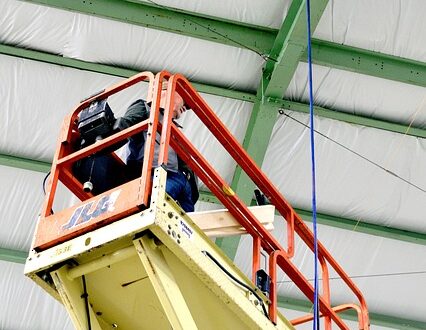
Safety shouldn’t simply be checked off a list; it ought to be a fundamental principle. Contemporary scissor lifts are designed with numerous safety features that protect users. For example, many models are equipped with emergency stop buttons, allowing operators to stop equipment instantly if needed. This kind of technology clearly shows a commitment to the safety of personnel. Additionally, modern lifts often incorporate guard rails and automatic braking systems that prevent accidents. Each of these features plays a critical role in minimizing risks at job sites.
Data indicates that workplaces that prioritize safety features tend to report fewer accidents. This correlation highlights the value of investing in quality equipment. Clients should focus on selecting lifts that boast enhanced safety features to ensure a secure environment for their teams.
- Emergency stop buttons for immediate response.
- Guard rails that prevent falls.
- Automatic braking systems for greater control.
Integrating safety into equipment selection is pivotal to making sure everyone returns home without incident.
Training and Compliance: Ensure Your Team is Prepared
Even with cutting-edge equipment, the training of personnel remains critical to safety measures. Companies ought to invest in comprehensive operator training before anyone uses a lift. This type of training provides operators with the requisite skills to operate equipment effectively while following safety regulations. Without such training, even the most advanced machines can create hazardous situations.
Employers should stay updated on OSHA guidelines. Compliance is more than just a recommendation; it can be crucial in avoiding life-threatening situations at construction sites. Regular refresher courses keep teams sharp and ensure that safety protocols remain top of mind.
- Invest in thorough operator training programs.
- Stay informed about OSHA regulations.
- Implement periodic training refreshers.
Training is not merely an obligation; it’s a significant investment in employee safety and operational success.
FAQ
What types of projects benefit the most from scissor lift rentals?
Projects that require elevated work areas, such as construction, maintenance, and installation, greatly benefit from scissor lift rentals. These lifts provide access to hard-to-reach locations, ensuring operational safety and efficiency.
How does the rental process differ between electric and diesel scissor lifts?
Electric scissor lifts are usually better suited for indoor applications due to their quieter operation and zero emissions. Conversely, diesel lifts perform exceptionally well outdoors, especially on rough terrain. The choice of lift type can substantially influence project success.
Can scissor lifts be used in residential settings?
Definitely. Residential tasks like roofing or exterior painting can significantly benefit from scissor lift rentals. They provide the needed height while boosting worker safety, thus proving invaluable for home improvement projects.
What should businesses consider when planning for scissor lift transportation?
Logistics play a key role. Companies must consider delivery timelines, site accessibility, and any barriers that might obstruct transport. Clearly communicating these requirements to the rental company upfront can prevent potential delays.
Are there specific safety regulations for using scissor lifts?
Absolutely, adherence to OSHA regulations is essential. Employers hold the responsibility to ensure that operators receive adequate training and are aware of all safety protocols associated with scissor lifts, underscoring the importance of a safe working environment.
What are some common applications of scissor lifts in commercial industries?
Industries like construction, warehousing, and events frequently employ scissor lifts for tasks involving building maintenance, inventory management, and staging setups. This versatility highlights their indispensable nature across various commercial applications.
How often should scissor lifts undergo maintenance checks?
Regular inspections are crucial. Experts typically recommend conducting maintenance checks at least once a year or prior to each rental, ensuring that both safety and performance standards are consistently upheld, especially if lifts are regularly utilized.
What other equipment complements scissor lifts for construction projects?
Within the construction sphere, equipment such as boom lifts, forklifts, and scaffolding often work in tandem with scissor lifts. This combination enhances project efficiency by providing a comprehensive array of access solutions catered to different tasks.
Useful Resources
- Occupational Safety and Health Administration (OSHA)
- Safety and Health Magazine
- National Safety Council (NSC)
- National Construction Safety Management Association (NCSMA)
- Mine Safety and Health Administration (MSHA)
- International Crane and Excavation Association (ICEA)
- Construction Executive Magazine
- The Balance – Business & Finance
- Rental Equipment Register