KHTS Radio Santa Clarita Radio – Santa Clarita News

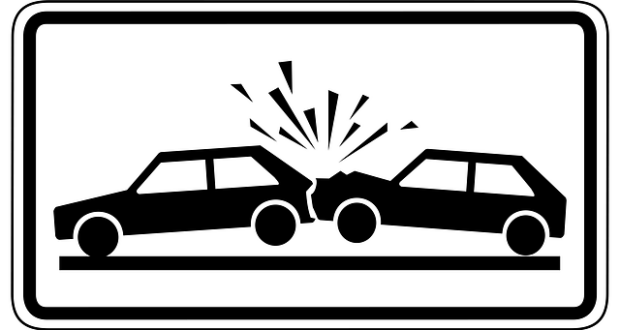
You pull over, check yourself for injuries, and walk up to the other driver to exchange information. That’s when they tell you they don’t have insurance.
This happens more often than most drivers expect. One driver skips a payment, lets their policy lapse, or never had coverage to begin with, and now you’re the one stuck with the damage.
Medical bills start showing up within days. Your car sits at a body shop waiting on an estimate nobody wants to pay for. And the driver who caused all of it has nothing to offer.
The choices you make in the first few hours after a crash like this shape everything that follows. Some steps protect your health. Others protect your ability to get paid back for what you lost.
Call the Police and Get an Official Report
“Even if the other driver seems friendly or apologetic, don’t skip a police report. A police report creates an official record of what happened, and it becomes one of the most valuable pieces of evidence you’ll have later,” say the car accident lawyers at bailey galyen Arlington.
Officers will document the scene, note any visible injuries, and record statements from both drivers and any witnesses nearby. This report often includes whether the other driver had valid insurance at the time, which matters a lot for your claim.
Without a police report, it’s your word against theirs. Insurance companies and courts take official documentation seriously, so this single phone call can shape the entire outcome of your case.
Seek Medical Attention Right Away
Adrenaline is a strange thing. You might walk away from a crash feeling fine, only to wake up the next morning barely able to move. Serious injuries, especially soft tissue damage or concussions, don’t always show symptoms immediately.
Getting checked out by a doctor does two things at once. First, it catches problems early, before they turn into something worse. Second, it creates a medical record tied directly to the accident date.
That paper trail matters more than most drivers realize. If you wait a week to see a doctor, an insurance adjuster might argue your injury came from something else entirely, not the crash.
Document Everything at the Scene
Your phone is your best friend right now. Before you leave the scene, or as soon as you’re physically able, gather as much visual and written proof as you can.
This part benefits from a simple checklist, since there’s a lot to remember in a stressful moment. Here’s what to capture:
- Photograph the damage to both vehicles from multiple angles
- Snap pictures of skid marks, road signs, and traffic signals nearby
- Record the other driver’s license plate and vehicle details
- Collect contact information from any witnesses on scene
- Write down the exact time and location of the crash
- Note weather and road conditions if they played a role
- Save any dashcam or nearby security camera footage
- Ask the other driver for their name and phone number
This evidence becomes your backbone later. Memories fade fast, but photos and notes taken in the moment stay accurate and hard to dispute.
Check Your Own Insurance Policy for Uninsured Motorist Coverage
Here’s where a lot of drivers get a pleasant surprise. Many auto policies include something called uninsured motorist coverage, and it exists specifically for situations like this one.
This type of coverage steps in when the person who hit you doesn’t have insurance, or doesn’t have enough to cover your damages. It can help pay for medical bills, lost wages, and vehicle repairs, sometimes covering the full gap left behind.
Call your insurance provider as soon as possible and ask directly whether this coverage applies to your policy. Some states even require it by law, so you might already have protection you didn’t know about.
Don’t assume you’re stuck footing the bill alone. Your own policy might be the safety net that gets you through this without draining your savings account.
Talk to a Personal Injury Attorney Before Settling Anything
Uninsured driver cases tend to get messy fast, and insurance companies know this. They also know that stressed, injured claimants often accept the first offer just to make the headache go away.
That’s exactly why speaking with an attorney early matters so much. A lawyer who handles these cases can explain your actual options, including whether you can pursue the uninsured driver directly through a lawsuit.
Many personal injury attorneys offer free consultations, so there’s little risk in simply asking questions. They can review your policy, your medical records, and the police report to figure out your strongest path forward.
Signing anything before that conversation could cost you thousands down the road. Insurance adjusters aren’t working for you, so having someone in your corner levels the playing field considerably.
Moving Forward After the Crash
Dealing with an uninsured driver adds a frustrating layer to an already difficult situation. But taking these five steps quickly gives you a real shot at recovering what you’re owed, both physically and financially.
Start with the police report, get medical care fast, and document the scene while details are fresh. Then dig into your own policy and loop in an attorney before agreeing to anything. Each step builds on the last, creating a stronger case overall.
You didn’t cause this crash, and you shouldn’t have to carry the financial burden alone just because the other driver skipped out on insurance. The right steps, taken early, put you back in control.
Recovery takes time, both for your body and your bank account. But knowing exactly what to do first can make the whole process feel a lot less overwhelming, and a lot more manageable.