KHTS Radio Santa Clarita Radio – Santa Clarita News


Let’s dive into a topic that’s close to many of our hearts but often slips through the cracks of our daily hustle and bustle: supporting our community heroes who face health challenges.
These are the individuals who’ve given their all—firefighters, nurses, teachers, volunteers, you name it—often placing their well-being on the line for us. Now, it’s our turn to have their backs. But how? Grab a snack, settle in, and let’s explore seven heartfelt ways to uplift these pillars of our communities.
1. Understanding Their Battles
First off, get that these folks don’t wear capes, but they’re fighting battles that could use some serious backup. Health challenges can range from physical injuries and illnesses to mental health struggles.
The key? Listening. Understand the specifics of what they’re facing. It’s like getting the lay of the land before planning your strategy in a video game. Sometimes, just knowing someone truly gets it can be a massive morale booster.
For example, a doctor or nurse dealing with the burnout of COVID has different needs, as opposed to a firefighter who is just starting to face the symptoms of 9/11 lung conditions, after being exposed to noxious elements on Ground Zero over two decades ago.
2. Financial Support: More Than Just Cash
Financial aid sounds obvious, but it’s not just about donating money (though that’s super helpful). It’s also about supporting fundraisers, contributing to medical bills, or even providing resources like meal subscriptions or transportation credits.
Picture this: a community crowdfunding for a teacher’s cancer treatment or a squad rallying to cover a volunteer firefighter’s rehab costs. It’s solidarity in action.
3. Flexing The Power of Community Networks
Never underestimate the clout of a well-oiled network. Organize or participate in community events aimed at supporting these heroes.
Think charity runs, benefit concerts, or local market days where proceeds go to those in need. It’s about creating a wave of support that gets the whole town surfing. Plus, these events can spread awareness faster than wildfire, bringing even more folks to the cause.
Leveraging community networks also means tapping into local schools, clubs, and organizations to champion the cause. Imagine students organizing bake sales, local sports teams dedicating games to heroes, or book clubs hosting read-a-thons.
Each event not only raises funds but also fosters a collective spirit of compassion and support. Engaging local media to spotlight these efforts can further amplify the message, drawing in support from beyond immediate circles.
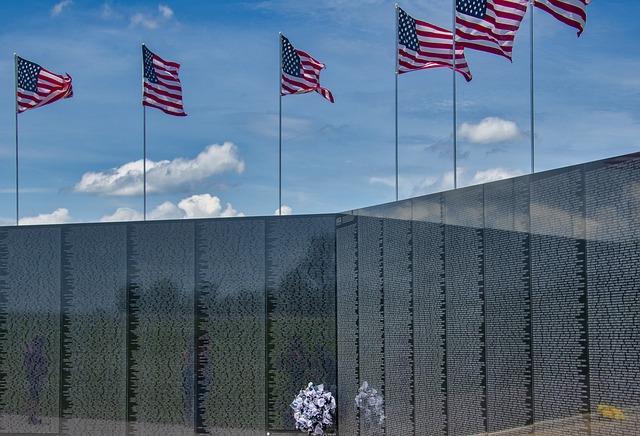
Image by Clarence Alford from Pixabay
4. Offering Skills & Services For Free
Got skills? Offer them up. If you’re a wizard with websites, a physiotherapist, a culinary genius, or have any other talent, consider how you can use that to help. It could be designing a site for a fundraiser, providing therapy sessions, or cooking meals. It’s like forming a superhero team where everyone’s superpower is used to the max.
It’s about creating a circle of support where knowledge and talents are shared for a greater cause. This not only raises funds but also strengthens community bonds as people come together to learn and support each other.
5. A Listening Ear & Emotional Support
Sometimes, the most powerful thing you can offer is a shoulder to lean on. Emotional support can make a dark day a bit brighter.
Whether it’s being there to listen, offering to accompany them to appointments, or just sending a “thinking of you” message, these gestures can be a lifeline. Remember, it’s not about having all the answers, it’s about showing up.
You may not immediately understand where and how you can contribute, but by just showing up you’ll know your place over time.
6. Educating Yourself & Others
Knowledge is power, and in this context, it’s about understanding the health challenges these heroes are facing and what their recovery or support needs may look like.
Educate yourself and then spread the word. Host info sessions, share articles on social media, or start a podcast. It’s about building an informed community that can fight ignorance with facts and empathy. This, of course, is easier said than done, but stands to add the most value in the long run.
You can consider partnering with healthcare professionals to deliver workshops or webinars that shed light on specific conditions or wellness strategies.
This could involve psychologists discussing mental health support for first responders or medical experts explaining the recovery process for common injuries among community heroes.
7. Long-Term Advocacy & Support
This is a marathon, not a sprint. Long-term support means advocating for better health policies, creating or joining support networks, and ensuring that the conversation doesn’t die down once the initial wave of attention fades.
It’s about making sure these heroes have a safety net not just today, but down the road. Think about setting up scholarships, ongoing fundraising efforts, or policy change initiatives that ensure sustained support.
To build on that, consider the potential of leveraging technology to keep these initiatives in the spotlight. Creating dedicated social media platforms or apps can facilitate easier donation processes, volunteer sign-ups, and real-time updates on the well-being of community heroes.
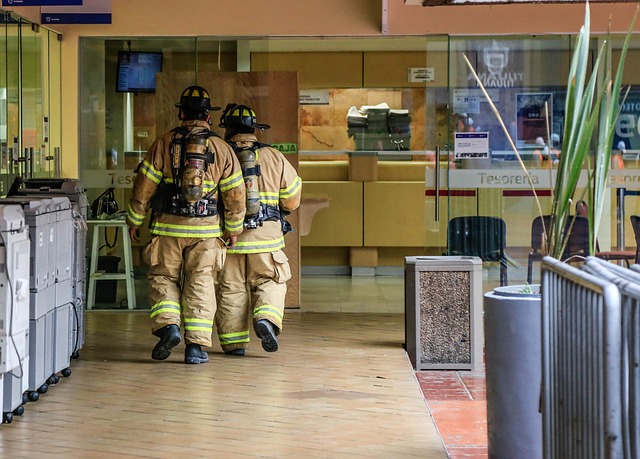
Image by Ernesto Eslava from Pixabay
Final Words
Now, you might be thinking, “Sure, all this sounds great, but where do I start?” Simple: look around your community. Notice anyone who’s been on the frontline or in the trenches for a good cause? Start there. Reach out, ask how you can help, or rally your friends, family, or coworkers to brainstorm ideas.
Remember, the essence of supporting our community heroes facing health challenges is about making them feel seen, valued, and, above all, supported. It’s about turning our gratitude into action. Each gesture, no matter how small it seems, weaves into the larger fabric of community support, creating a safety net that can catch our heroes when they stumble.
So, whether you’re organizing a mega fundraiser or simply offering to walk someone’s dog while they’re in recovery, know that every act of kindness reverberates through the heart of your community. It’s about being there for those who’ve always been there for us, turning the tables and showing them that heroes need heroes too.