KHTS Radio Santa Clarita Radio – Santa Clarita News

Firearm ownership can be a responsible and empowering choice, but it also comes with real obligations. New owners often find themselves juggling legal guidelines, storage expectations, and training requirements all at once. Hold tight as we break everything down into clear, manageable steps so first time owners can build confidence while staying safe and compliant.
Image Source: Google Gemini
Understanding the Legal Basics
Before buying or handling a firearm, it’s helpful to familiarize yourself with the rules that apply in your area. Laws vary by state or country, but they usually cover core issues such as who can own a firearm, how it must be stored, and where it can be carried. Many new owners learn that the legal process doesn’t end with a background check. Instead, it is an ongoing responsibility to stay up to date on updates and changes to local requirements.
According to research highlighted on Science Direct, studies continue to examine how people store firearms and what influences responsible behavior. This kind of ongoing research helps policymakers and everyday owners understand what truly works in the real world.
Safe Storage That Actually Works
There are lots of ways to optimize storage at home. However, firearms must be handled with extra layers of care. Safe storage is one of the simplest ways to prevent accidents. It protects children, guests, and even other adults who may not have permission to handle your firearm. You can adapt your setup based on your home, lifestyle, and the type of firearm you own.
In many households, owners use a layered approach to storage. This might include a secured location, a physical lock on the firearm, and a separate place for ammunition. With just a few small habits, you can create a safer environment without making daily access difficult.
Here are a few common approaches:
- Keep firearms unloaded when not in use
- Store ammunition separately
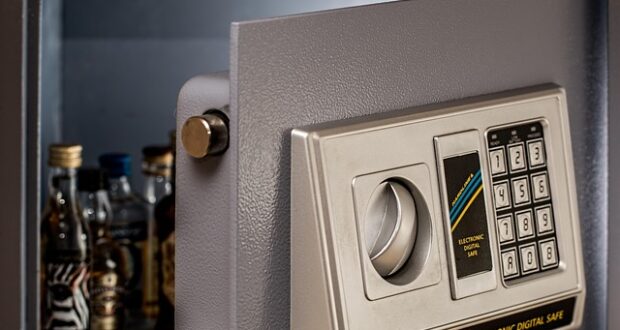
- Use a lockable safe or lockbox
Training for Skill and Confidence
Even if you grew up around firearms, formal training makes a major difference. A good instructor will teach safe handling rules, introduce range etiquette, and help you build confidence through repetition rather than guesswork. For new owners, this kind of structured learning often removes the uncertainty that comes with early practice.
Training also helps you understand how different firearm designs behave. As you build experience, you may start comparing models to see what suits your goals, whether that’s recreational shooting, home protection, or simply learning more about the mechanics of firearms. Many owners eventually reach a stage where they want to explore how different layouts affect balance, recoil, and ease of movement.
That curiosity is completely normal. Once you’ve learned the fundamentals and developed a solid safety foundation, it becomes easier to evaluate what feels right in your hands. Some people begin looking at more compact configurations that keep a full length barrel but reduce the overall footprint. If you’re interested in seeing what that looks like in practice, you can explore bullpup shotguns here and then through this helpful resource, which offers a clear, real world sense of how these designs handle and what advantages they might bring.
With regular training and thoughtful experimentation, most new owners find that their skills grow quickly and their preferences become more defined, making the overall experience more enjoyable and much safer.
Safety Mindsets for Everyday Carry
Owning a firearm is not just about storage and training. Daily safety habits matter just as much. Even when the firearm isn’t in your hand, you are responsible for how it is positioned, who can reach it, and how it might be perceived by the people around you.
Building Safe Handling Habits
A strong safety mindset becomes second nature with practice. This includes keeping your finger off the trigger until you are ready to fire, always checking the firearm’s status, and treating it as loaded even if you believe it is not.
Understanding Your Environment
Be aware of your surroundings when carrying or transporting firearms. Think about where you are going, how you are storing it during travel, and whether your chosen method of carry follows local laws and facility rules.
Educating Others Around You
If you live with friends or family, especially children, it is helpful to explain basic safety expectations. This doesn’t mean going into technical detail. It simply means making sure everyone knows what is safe, what is not, and what is off limits.
Becoming a Responsible Owner
Every responsible firearm owner continues learning long after the first purchase. You might add new training, try new equipment, or update your storage setup as your household changes. What matters most is staying curious and committed to good habits.
If you found this introduction helpful, consider exploring more educational articles that build your comfort and confidence as a new owner.