KHTS Radio Santa Clarita Radio – Santa Clarita News

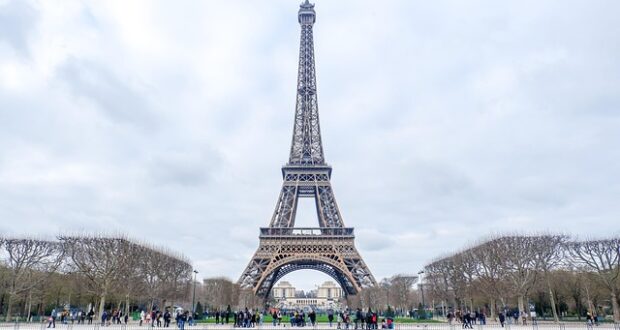
Exploring Europe as a student doesn’t have to drain your savings account. With the right planning and knowledge of budget-friendly options, you can experience the continent’s rich culture, history, and natural beauty without breaking the bank. Whether you’re traveling solo, with friends, or organizing School Trips to Europe, understanding how to maximize your budget will transform your European adventure into an affordable reality.
Transportation That Won’t Empty Your Wallet
Getting around Europe efficiently and cheaply is entirely possible with today’s budget travel options. Low-cost airlines like Ryanair, EasyJet, and Wizz Air offer flights between major cities for as little as 20-30 euros if you book in advance and travel light. The key is flexibility with dates and airports, as flying midweek or to smaller regional airports can save you significant money.
Train travel remains one of the most scenic and practical ways to explore Europe. Student discounts on rail passes can reduce costs by up to 35%, and overnight trains double as accommodation, saving you a night’s lodging. Bus services like FlixBus and BlaBlaCar carpooling connect hundreds of European cities at fraction of the cost of traditional transport, often for under 15 euros per journey.
Accommodation Solutions for Tight Budgets
Hostels have evolved far beyond the cramped, uncomfortable spaces of decades past. Modern hostels offer clean, secure environments with private lockers, communal kitchens, and social spaces perfect for meeting fellow travelers. Many hostels now provide private rooms at prices still well below traditional hotels, typically ranging from 15-35 euros per night in major cities.
Alternative accommodation platforms have revolutionized budget travel. Couchsurfing connects you with locals offering free places to stay, providing authentic cultural experiences alongside zero accommodation costs. University dormitories often rent rooms to travelers during summer breaks, offering basic but affordable lodging in prime locations. Consider house-sitting opportunities or volunteering programs that provide free accommodation in exchange for a few hours of work daily.
Eating Well Without Overspending
Food costs can quickly accumulate, but smart strategies keep your dining expenses manageable. Shopping at local supermarkets and preparing meals in hostel kitchens can reduce food costs by 60-70% compared to eating out for every meal. European markets offer fresh, local produce at excellent prices while providing an authentic glimpse into daily life.
When you do eat out, embrace the local lunch specials and set menus that many restaurants offer at significantly reduced prices compared to dinner service. Street food and bakeries provide delicious, filling options for just a few euros. Student ID cards often unlock discounts at restaurants and cafes near universities, so always ask about available reductions before ordering.
Free and Low-Cost Attractions
Europe’s greatest treasures don’t always come with admission fees. Most major cities offer free walking tours where knowledgeable guides work for tips, providing excellent introductions to local history and culture. Many museums and attractions offer free entry on specific days or during certain hours, particularly for students with valid identification.
Parks, gardens, and architectural landmarks provide endless exploration opportunities without costing a cent. Climbing hills for panoramic city views, wandering through historic neighborhoods, and attending free outdoor concerts or festivals deliver memorable experiences that money can’t necessarily buy. Research city tourism cards that bundle attraction entries and public transport, as these often pay for themselves within a day or two of use.
Timing Your Trip Strategically
When you travel matters as much as where you go. Shoulder seasons in spring and fall offer pleasant weather, smaller crowds, and prices 30-50% lower than peak summer rates. Eastern European destinations like Poland, Czech Republic, and Hungary provide Western European experiences at significantly reduced costs, with daily budgets potentially half of what you’d spend in Paris or London.
Booking accommodation and transportation well in advance secures the best rates, while remaining flexible with exact dates allows you to capitalize on last-minute deals. Traveling during weekdays rather than weekends can also yield savings on both lodging and activities.
Making Your European Adventure Reality
Budget-friendly student travel in Europe requires planning, flexibility, and willingness to embrace alternative options. The continent’s extensive infrastructure, competitive travel market, and student-friendly policies create an environment where unforgettable experiences don’t require unlimited funds. By combining smart transportation choices, creative accommodation solutions, strategic dining, and careful timing, you can explore Europe’s wonders while maintaining financial responsibility. Start planning today and discover that the European adventure you’ve been dreaming about is more accessible than you ever imagined.