KHTS Radio Santa Clarita Radio – Santa Clarita News

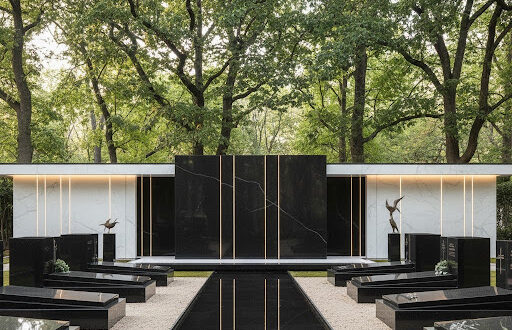
Architecture is not limited to buildings and cities; it also exists in the quiet spaces where memory, identity, and legacy are preserved. One of the most profound yet often overlooked forms of architectural expression can be found in memorial design. Capital Grave Markers represent more than stone and engraving — they are carefully designed structures that transform remembrance into a lasting architectural statement.
Capital Grave Markers as Architectural Expressions of Identity
Grave markers follow many of the same principles as architecture: proportion, material selection, symbolism, and durability. Each marker is designed to communicate a story, whether through minimalist forms or ornate detailing. Granite, marble, and bronze are chosen not only for longevity but also for their visual language, conveying dignity, permanence, and respect.
Just as architecture responds to cultural context, memorial design reflects personal beliefs, regional traditions, and historical influences. Clean lines and modern typography often suggest contemporary values, while classical motifs reference heritage and continuity.
Design, Craftsmanship, and Meaning
The craftsmanship behind grave markers mirrors architectural precision. Every curve, inscription, and finish is intentional. Architects and designers understand that scale matters: a marker must harmonize with its surroundings while remaining distinct. This balance between individuality and environment is central to meaningful memorial architecture.
Symbolism plays a key role. Shapes, textures, and engravings serve as visual metaphors for life, faith, or legacy. In this way, memorials function as small but powerful architectural landmarks — spaces of reflection rather than structures of use.
The Role of Memorial Design in Modern Society
As cities grow and traditions evolve, memorial architecture adapts. Today’s designs often focus on personalization and emotional resonance, aligning with modern values of storytelling and authenticity. These spaces offer comfort not through grandeur, but through thoughtful, human-centered design.
Memorials also contribute to cultural landscapes, preserving collective memory across generations. Like architecture, they quietly shape how societies remember, grieve, and honor.
Conclusion
Capital grave markers stand at the intersection of architecture, emotion, and memory. Through careful design and enduring materials, they transform remembrance into a physical presence that transcends time. Understanding memorials as architectural expressions allows us to appreciate their deeper role — not only as markers of loss, but as lasting symbols of meaning, respect, and human connection.