KHTS Radio Santa Clarita Radio – Santa Clarita News

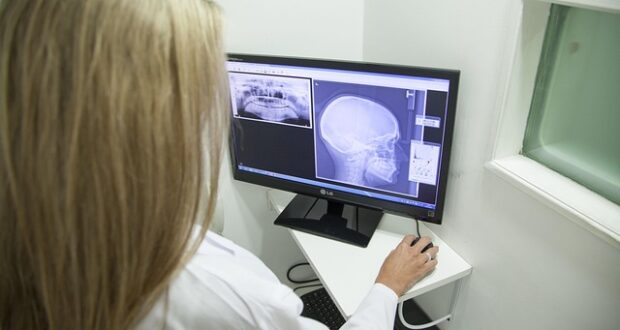
Depo-Provera® has been widely prescribed across the United States for decades as a long-acting contraceptive injection, with each dose preventing pregnancy for up to three months. For many women, it was a convenient, low-maintenance option recommended by their doctors without significant safety caveats. That picture has changed. A growing body of research now links long-term use to a serious neurological condition, and litigation against the drug’s manufacturers is accelerating.
All names and marks are the property of their respective owners and are used only for reference. No endorsements are implied.
The Injury at the Center of These Lawsuits
The condition driving this litigation is intracranial meningioma, which is a tumor that forms in the membranes surrounding the brain and spinal cord. While meningiomas are often slow-growing and non-cancerous, they can reach a size that requires surgery, radiation, or long-term monitoring. Treatment can mean craniotomy, stereotactic radiosurgery, or years of imaging surveillance, each with its own physical, emotional, and financial toll. For women who used Depo-Provera for years without any warning of this risk, a meningioma diagnosis has come as a shock.
Symptoms Worth Knowing
Meningiomas can develop over years before producing noticeable symptoms. Warning signs include:
- Frequent or severe headaches
- Vision changes, including blurred or double vision
- Hearing loss or ringing in the ears
- Memory problems or confusion
- Seizures or unexplained shaking
- Weakness or numbness in arms or legs
- Changes in personality or mood
- Loss of smell
- Difficulty speaking or finding words
These symptoms have many possible causes, and their presence does not automatically indicate a tumor. Women with a history of long-term Depo-Provera use who notice persistent changes should speak with a doctor and ask about imaging to rule out meningioma. Do not change medications without first consulting your doctor.
The Legal Arguments
Plaintiffs contend that Pfizer and other manufacturers knew, or should have known, about the connection between long-term Depo-Provera use and meningiomas, yet failed to warn patients or prescribing physicians. Claims are built on three main legal theories:
- Negligence: Manufacturers allegedly breached their duty of care by failing to adequately study or disclose the tumor risk.
- Failure to Warn: U.S. product labels did not reference meningioma risks for years, even as research linking the drug to tumors was published in other countries.
- Design Defect: Some claims argue the drug’s formulation posed an unreasonable risk compared to other contraceptive options available to patients.
French regulators moved to restrict high-dose progestin contraceptives years before U.S. labels were updated, and this timeline features prominently in many of the emerging cases. Plaintiffs’ attorneys argue that the lag between international regulatory action and domestic label changes reflects a pattern of prioritizing market access over patient safety.
The Science Behind the Claims
Three peer-reviewed studies form much of the scientific foundation for current litigation:
- BMJ (March 2024): Found that extended use of medroxyprogesterone acetate, the active ingredient in Depo-Provera, was associated with a 5.6-fold increased risk of intracranial meningioma requiring surgery.
- JAMA Neurology (September 2025): Examined medroxyprogesterone acetate exposure and meningioma risk, adding to the evidence that progestin-based contraceptives carry measurable dangers with prolonged use.
- Indonesian Case-Control Study (2018): Found a significant association between injectable progestin contraceptive use and meningioma development across a multi-year study population.
Manufacturers have challenged the strength of these findings, but the accumulation of research across multiple countries and study designs has made those arguments harder to sustain in court. The BMJ study in particular drew significant attention from plaintiff attorneys and regulators alike, given the size of its dataset and the specificity of its findings on surgical meningiomas.
How the Litigation Is Structured
Most Depo-Provera cases are proceeding through Multidistrict Litigation (MDL) No. 3140 in the Northern District of Florida, where federal cases are consolidated before a single judge for coordinated pretrial proceedings. Each plaintiff retains her own case within the MDL. Individual civil lawsuits and class actions remain options in some circumstances, depending on the specifics of a woman’s situation.
Who May Be Eligible to File
Women who used Depo-Provera or a closely related product and later developed a meningioma may have grounds for a claim. Qualifying products generally include:
- Pfizer’s brand-name Depo-Provera
- Pfizer’s brand-name Depo-SubQ Provera
- Authorized generics made by A-S Medication Solutions, Pharmacia & Upjohn Company LLC, Prasco Laboratories, Greenstone LLC, or Preferred Pharmaceuticals Inc.
Eligibility typically depends on duration of use, when the meningioma was diagnosed, and whether it required surgery or ongoing treatment. Statutes of limitations vary by state, and in some jurisdictions the clock begins at diagnosis rather than at the time of drug use — making early legal review important for preserving options.
What Damages May Be Available
Compensation in Depo-Provera cases may cover:
- Past, ongoing, and future medical expenses
- Surgical costs, including brain surgery
- Lost wages and diminished earning capacity
- Pain and suffering
- Emotional distress and mental trauma
- Loss of enjoyment of life
- Long-term care and rehabilitation costs
The amount varies based on the severity of the tumor, treatment required, and the broader impact on a woman’s life and livelihood.
What to Expect During a Case Review
For many women, the legal process is unfamiliar territory. An initial case review with Sokolove Law is straightforward. An intake specialist gathers basic information about the woman’s history with Depo-Provera, including how long she used it, which version she received, and when a meningioma was diagnosed.
Medical records are typically requested early in the process to confirm the diagnosis and establish the treatment timeline. No legal expertise is required on the part of the woman filing, as the review is designed to determine whether the facts of her situation fit within the current litigation, and to explain her options clearly before any decisions are made. There is no cost for this initial review.
What Comes Next?
Sokolove Law is among the firms representing women in Depo-Provera litigation. The firm has worked on pharmaceutical injury cases for more than 45 years and is currently reviewing claims from women who used the drug and later received a meningioma diagnosis. There is no cost for an initial case review. More information is available through their website.