KHTS Radio Santa Clarita Radio – Santa Clarita News

Many nursing parents wonder, does sunflower lecithin increase milk supply, or is it simply a remedy for painful clogged ducts? Lactation consultants tend to prescribe sunflower lecithin, especially in pumping mothers, especially those who complain of frequent breast pain, but most are not aware of whether it actually makes the milk volume increase, or whether it merely increases the flow of the milk. Due to the overwhelming feeling of having to keep up with the healthy milk supply, it is usual that breastfeeding parents seek natural solutions with a soft touch that help to keep the body balanced and not overstimulated. The article will talk about the way sunflower lecithin works, what the studies and other professionals suggest, and whether it is safe and can be used properly to help you have a good experience with breastfeeding.
What Is Sunflower Lecithin and Its Benefits
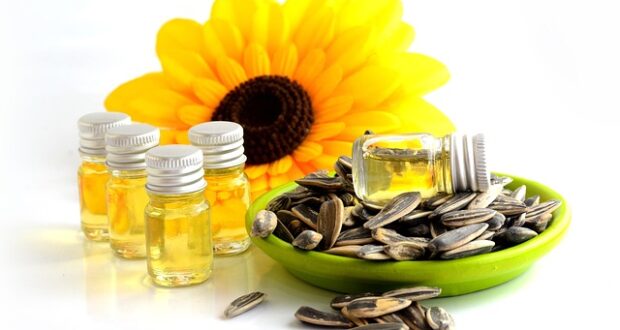
Sunflower lecithin is a natural product that is formed from sunflower seeds and is normally applied as a dietary supplement and a food emulsifier. It has phospholipids that aid fats to blend easily with liquids- a significant activity in the body as well as in breast milk. In breastfeeding mothers, particularly those who frequently pump their breasts using breast pumping devices such as Momcozy pumping bras, most physicians may suggest taking sunflower lecithin to aid milk production and alleviate typical breastfeeding issues.
Compared to soy lecithin, sunflower lecithin contains no major allergens and is generally not processed in harshly-treated conditions. The only advantage of it for nursing moms is that it can decrease the thickness or stickiness of breast milk. This facilitates the flow of milk in the milk ducts and thus avoids clogged milk ducts and pain.
Other advantages can be brain health support, liver health support and heart health support since it contains choline, but just to make the milk flow; not to produce milk itself, is its main application in lactation.
Does Sunflower Lecithin Increase Milk Supply?
The answer is not in a direct sense, but it can aid milk supply indirectly. Sunflower lecithin itself does not activate hormones or enhance the amount of milk produced.
Nevertheless, in cases where milk ducts are clogged, the removal of milk may be incomplete and painful. In the long run, inadequate milk drainage may even send signals to the body to produce less milk. Sunflower lecithin enables increased emptying of the breasts during nursing or pumping by increasing the flow of milk and preventing blockages. Improved milk removal contributes to the supply-demand cycle that is important in milk production.
The majority of mothers who breastfeed note that they experience fewer clogs, more comfortable pumping and more predictable milk production with sunflower lecithin. These effects are mostly experience-based and not major clinical studies, but are generally suggested by lactation consultants as an adjunctive supplement, rather than a primary milk booster.
How to Use Sunflower Lecithin for Milk Supply
Sunflower lecithins come in capsules, powder and liquid form, though capsules are the most common form of lecithin taken by breastfeeding mothers.
The most common dosage is 1,200 mg in three to four doses per day, particularly in individuals who have frequent clogged ducts. Some mothers lower the dosage to a maintenance level once the symptoms improve. Sunflower lecithin can be taken with food to reduce digestive discomfort.
It should be consistent, especially in mothers who pump regularly. Sunflower lecithin is effective when applied in conjunction with appropriate milk removal methods, including frequent pumping/nursing, empty breast adequately, and proper flange sizing. It must not be used to substitute these practices but must back them.
It is advisable to consult a medical professional or a lactation consultant before beginning any supplement, particularly when you have health issues.
Possible Side Effects of Sunflower Lecithin

Image by Jill Wellington from Pixabay
Most breastfeeding mothers should be safe when using sunflower lecithin in the recommended dosages. However, some individuals may experience some side effects, especially in the first intake of the supplement or with an increase in dosage.
Commonly reported side effects include:
- Mild stomach upset or nausea
- Loose stools or diarrhea
- Bloating or gas
These are largely temporary and are treatable by lowering the dosage or taking the supplement along with meals. It can also be useful to make the body adapt more easily, and raise the dose slowly rather than starting with the highest one.
It may cause allergic reactions, though these are unlikely. Sunflower lecithin is not to be taken by mothers who are known to be allergic to sunflower seeds. Also, no research has been done on the long-lasting impacts of such high doses; the supplementation should be done in the long term and under the supervision of a professional. Any suspicious or persistent symptoms should be reported, and a doctor should be called in case of any suspicious or persistent symptoms.
Other Ways to Boost Milk Supply Naturally
Although sunflower lecithin may aid in the milk flow, strategies to increase milk supply are more effective when they are concerned with the frequent but effective milk removal and the general well-being of the mother.
The most effective milk production driver is frequent nursing or pumping. On-demand feeding, provision of both breasts during feeds and addition of pumping sessions, particularly following a nursing session, also assist in increasing supply.
Proper latch, positioning and pumping technique are also important. The latch can be poor, or the pump could be set improperly, leading to the inefficient removal of the milk, thereby restricting the supply even with frequent sessions.
Balanced nutrition and hydration are important. Expectant mothers require extra fluids and calories to aid in the production of milk. Lack of hydration or missing meals can have a negative impact on output
Rest and stress management are often neglected, but are significant. Production of milk hormones can be affected by stress, fatigue and sleep deprivation. Sharing care, emotional support, and realistic expectations can be the difference.
Other mothers go as far as to think of galactagogue foods and herbs, such as oats, malunggay (moringa), or brewer’s yeast. However, despite varying results, they may be used as a supplement to regular milk removal.
Conclusion
Though it does not directly boost the quantity of milk produced by an individual, sunflower lecithin could be a good friend to breastfeeding moms since it improves the flow of milk and prevents the development of plugged ducts. When combined with good pumping or nursing practices, proper nutrition and rest, it may help to produce healthy milk and make breastfeeding a much easier task. Careful use of sunflower lecithin as an element of a holistic intervention can enhance the success and milk flow of breastfeeding.