KHTS Radio Santa Clarita Radio – Santa Clarita News

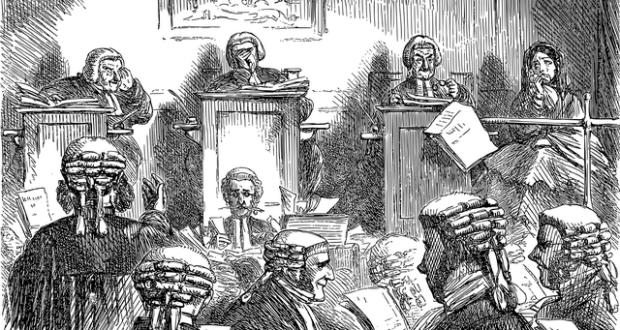
Criminal justice as a system provides support and directions to the framework of law along with the prevention, investigation, prosecution, and administration of justice. Over the last decades, this system has undergone many changes. Such alterations appropriately reflect current culture, technology, and suggested legal philosophies. Understanding its journey helps us appreciate its current state and anticipate future reforms.
Criminal Justice Basics
A few centuries ago, criminal justice systems were relatively poor and still lacked humanity. Crime was controlled by fear; punishments like hanging, stoning, or amputation were common.
People relied on community-based measures like trial by ordeal, where guilt was determined through painful tests. Here is how the criminal justice system has changed over the years:
- Hammurabi’s Code (1754 BC): The first known written legal code.
- Magna Carta (1215): Laid the groundwork for due process.
- Miranda Rights (1966): Ensured rights during custodial interrogations.
- DNA Evidence (1986): First used to exonerate and convict individuals.
- Body Cameras (2010s): Increased accountability in policing.
Modernization in Law Enforcement
The 19th century saw the birth of professional police forces, beginning in London with Sir Robert Peel’s Metropolitan Police Service. These forces replaced the informal and often corrupt systems of constables and watchmen. Key reforms were:
- Fingerprinting became a tool for identifying suspects in the late 19th century.
- DNA analysis revolutionized investigations in the late 20th century, offering near-definitive proof of guilt or innocence.
Advancements in technology have transformed law enforcement further. Surveillance technologies like CCTV and digital forensics now aid in solving complex crimes.
Today, law enforcement agencies operate with advanced tools, like predictive policing algorithms. While these technologies enhance efficiency, they also raise ethical questions about privacy and biases in policing.
Evolution of Legal Systems
The courtroom experience has dramatically changed. In earlier times, trials were swift, often lacking evidence-based arguments. Defendants were rarely given opportunities to present their side. The establishment of defense rights marked a pivotal shift. Systems like the Miranda rights ensure that individuals know their legal protections.
Moreover, the emergence of criminal defense lawyers as advocates for justice highlights how representation has become a cornerstone of modern legal processes.
Prisons and Rehabilitation
The purpose of punishment has evolved from mere reformatory to a combination of reformative, punitive, and deterrent. In the Eighteenth century, the penal method shifted from public punishments to prisons as a means of correction.
The correctional facilities of the contemporary world are designed to reform criminals. Of those who received CBT, more clearly, 92% have participated in education or job training programs and/or therapy. Nevertheless, the contribution of the said strategies still poses controversies, particularly in nations with acute high relapse levels.
The Bureau of Justice Statistics embodies the information that 45 percent of prisoners released in the United States are rearrested within one year. This has particularly emphasized the need to enhance the output of rehabilitation programs.
Technology and Criminal Justice
According to a criminal defense lawyer at Cohen and Winters, technology has been a double-edged sword for the criminal justice system. While tools like artificial intelligence (AI) enhance capabilities, they also introduce challenges. Algorithms used in predictive policing or sentencing can perpetuate biases.
Digital evidence has become a staple in trials. Emails, phone records, and social media posts are often key to building cases. But this reliance on digital footprints has made cybersecurity a growing concern. Even then, there are certain challenges that the legal system faces today, such as:
- Privacy Concerns: Balancing surveillance with individual freedoms.
- Racial Bias: Addressing disparities in arrests and sentencing.
- Cybercrime: Tackling crimes in the digital landscape.
- Overcrowded Prisons: Reforming incarceration practices.
Globally, criminal justice systems vary widely. Scandinavian countries prioritize rehabilitation, offering humane prison conditions. In contrast, some countries still rely on capital punishment and corporal penalties.
International bodies like the United Nations influence reforms by advocating for human rights and fair practices.
The Future of Criminal Justice
The journey of criminal justice is far from over. It’s been stipulated that as society’s perception changes, so will the system. Restorative justice, which aims at offenders’ compensation to the victims, is becoming popular. New technologies, like blockchain for centralized and secure evidence storage, might transform the current pattern.
Local governments, national governments, and citizens have to address inherent problems collectively. Underlining the principles of neutrality, equal opportunity, and clarity, will pave the way for better organization.
The evolution of criminal justice reflects humanity’s progress in balancing order and fairness. From ancient codes to modern technologies, it continues to adapt. As it stands on the cusp of further transformation, society must strive for reforms that serve justice for all.