KHTS Radio Santa Clarita Radio – Santa Clarita News

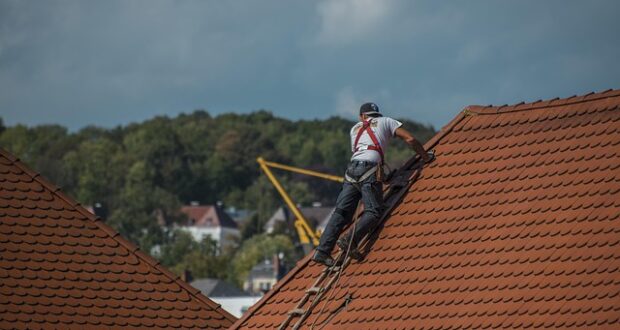
Choosing the right roofing material is one of the most important decisions a homeowner can make. It directly impacts your home’s protection, energy efficiency, and curb appeal.
A roof is not just a protective layer – it influences the aesthetic appeal and value of your property.
Choosing the appropriate roofing material may seem overwhelming, given the number of options available.
However, breaking down the decision-making process based on factors like climate, cost, and durability can help you select the best material for your specific needs.
This guide will walk you through everything you need to know about how to choose the right roofing material for your home.
Why the Right Roofing Material Matters
Your roof is exposed to various weather conditions, including extreme heat, snow, rain, and wind.
Its performance in protecting your home depends largely on the material you choose.
The right material not only provides lasting protection but also affects the following:
- Durability: Roofs take a lot of wear and tear. The material you choose should be able to handle the climate of your area and protect your home for years to come.
- Energy Efficiency: A good roof helps regulate the temperature inside your home, reducing energy costs by improving insulation.
- Curb Appeal: The roof is a prominent feature of your home’s exterior. Choosing a roofing material that complements your home’s style will enhance its overall aesthetic.
- Maintenance: Some materials require frequent upkeep, while others are virtually maintenance-free.
Factors to Consider When Choosing a Roofing Material
1. Climate and Weather Conditions
Selecting the right roofing material depends largely on your climate. In extreme weather conditions, having a roof that’s built to last is essential.
GreenTek Roofing & Solar can help you understand how different materials respond to local weather patterns, ensuring your roof performs optimally year-round.
- Hot Climates: Materials like metal roofing, clay tiles, and concrete tiles are great choices. They reflect heat, keeping your home cooler and reducing the need for air conditioning. Asphalt shingles, while affordable, absorb heat and are less energy-efficient in hot climates.
- Cold Climates: In areas with freezing temperatures and snow, roofing materials like asphalt shingles and metal roofing perform well. These materials shed snow easily, reducing the risk of ice dams.
- Coastal Areas: If you live near the ocean, metal roofing and clay tiles are ideal. They are resistant to corrosion from salt in the air. Moreover, these materials withstand the high winds common in coastal regions.
2. Roof Pitch (Slope)
Your roof’s pitch affects how well water drains off. It’s important to consider this when choosing a roofing material.
If you’re unsure about your roof’s slope, you can measure roof pitch easily using online tools before selecting materials suited to your structure.
- Steep Roofs: Steeply sloped roofs shed water quickly, so materials like slate, metal, and wood shakes work best. These materials are designed to handle water runoff without pooling.
- Low-Slope Roofs: For flatter roofs, materials like modified bitumen, EPDM, and TPO are better. These materials are designed to prevent water from pooling and ensure proper drainage.
3. Aesthetic Preferences
The roof should enhance the overall appearance of your home. Consider the architectural style of your home when choosing a roofing material.
- Traditional Homes: Materials like wood shakes or asphalt shingles suit traditional homes. They offer a classic look and work well with different home styles.
- Modern Homes: If you have a contemporary home, metal roofing or flat roofing systems (like TPO or EPDM) provide a sleek, modern appearance.
- Luxury Homes: For high-end properties, slate or tile roofing is ideal. These materials provide durability, luxury, and a timeless appeal.
4. Budget Considerations
Roofing materials vary significantly in cost. It’s essential to factor in both the initial cost and the long-term benefits when deciding what fits your budget.
- Economic Options: Asphalt shingles are the most affordable roofing material and offer good protection at a lower price point. Wood shakes are another budget-friendly option, but require more maintenance over time.
- Premium Options: Slate, copper, and metal roofing are more expensive, but they provide greater longevity and durability. While these materials have a higher upfront cost, they often save money in the long run by lasting longer and requiring fewer repairs.
5. Longevity and Warranty
Different roofing materials come with different lifespans, and many come with warranties. Choosing a material with a longer lifespan can save you money on repairs and replacements.
- Short-Term: Asphalt shingles last around 20-30 years and typically come with a 20-year warranty.
- Long-Term: Slate and metal roofing can last 50+ years with proper care. These materials typically offer longer warranties, often up to 50 years or more.
Popular Roofing Materials and Their Pros & Cons
1. Asphalt Shingles
- Pros:
- Cost-effective, widely available, and easy to install.
- Available in various colors and styles to match your home.
- Suitable for a variety of roof slopes.
- Cons:
- Shorter lifespan (20-30 years).
- It can become damaged by extreme weather like hail or wind.
2. Metal Roofing
- Pros:
- Highly durable and can last 40-70 years.
- Energy-efficient, reflecting heat and reducing cooling costs.
- Low maintenance and fire-resistant.
- Cons:
- Higher initial cost.
- It can be noisy during rain or hail.
3. Wood Shakes and Shingles
- Pros:
- A natural, rustic look that adds charm to your home.
- Good insulation properties.
- Cons:
- Requires more maintenance (needs regular cleaning and treatment for mold and pests).
- Prone to fire and weather damage.
4. Slate
- Pros:
- Extremely durable, can last over 100 years.
- Adds significant value to the home.
- Fire-resistant and low maintenance.
- Cons:
- Expensive, requires specialized installation.
- Heavy, may require additional roof reinforcement.
5. Clay and Concrete Tiles
- Pros:
- Excellent for hot climates, providing natural insulation.
- Long lifespan (up to 100 years).
- Fire-resistant.
- Cons:
- Heavy, requiring structural reinforcement.
- Expensive and difficult to repair.
6. Synthetic Roofing Materials
- Pros:
- Mimics the look of slate or wood while being lightweight and durable.
- Eco-friendly and energy-efficient.
- Cons:
- Newer material with limited long-term performance data.
- Newer material with limited long-term performance data.
Maintenance and Longevity
A roofing material’s lifespan depends heavily on how well it’s maintained. Regular inspections and timely repairs can help extend the life of your roof.
- Routine Inspections: Check your roof twice a year, especially after major storms. Look for missing shingles, damaged flashing, and signs of wear.
- Cleaning Gutters: Ensure that gutters are clear and free of debris to allow for proper water flow.
- Repairs: Small issues like missing shingles or flashing can lead to significant damage over time if left unchecked.
Conclusion: Making the Right Choice
Choosing the right roofing material depends on your local climate to your budget, and your preferences.
By considering these factors, you can find the material that best suits your home and needs.
Whether you’re opting for affordable asphalt shingles or a long-lasting metal roof, the right choice will protect your home for years to come.