KHTS Radio Santa Clarita Radio – Santa Clarita News

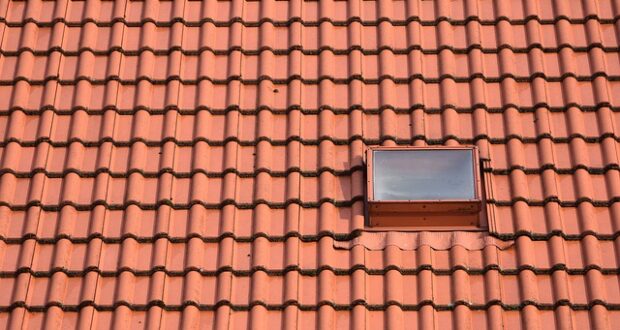
Roofing material waste is inevitable when tackling roofing projects and related home renovations. The best thing you can do is to reduce the waste to avoid incurring significant expenses.
This is especially true with larger and more complex roofing projects that require a lot of materials to complete. However, there are a few simple and practical steps that you can take to decrease roofing material wastage and save money as a result.
Understanding roof waste and the waste factor
Before anything else, we must first understand what roof waste is. Roof waste refers to any excess or discarded material during the repair, replacement, or construction of a roof. This includes damaged or old roofing materials like metal sheets, tiles, and shingles, as well as the insulation, underlayment, and any other components that may be used in the construction of a roofing system.
Roof wastage can quickly accumulate during a roofing project and before you know it, you’re already shelling out unnecessary expenses that could have been avoided with careful consideration and meticulous planning. Roof waste can also pose serious environmental concerns, especially when the excess or damaged materials are not disposed of properly. The inappropriate disposal of roof waste can easily lead to health hazards for humans and animals in the way of soil contamination and pollution.
When it comes to the waste factor, you need to understand that it represents the percentage of roof materials and components that are commonly discarded or wasted during the roof construction and installation process. This is typically estimated to be anywhere between 10 and 15% of the total materials needed to complete the project.
However, the waste factor of any roofing project may fluctuate depending on several key factors, which include the type of roofing materials being used, the complexity or intricacy of the project/roof design, and the level of experience or competence of the people doing the construction and installation. For example, roofing materials such as asphalt shingles often have a lower waste factor when compared to other materials like sheet metal. When it comes to the complexity of the roof design, roofs that have multiple valleys and hips typically incur a higher waste factor compared to ones with simpler designs.
The proficiency and experience of the roof installer also affect the waste factor, since more experienced roofing professionals can find more practical and sustainable methods to construct and install roofs to avoid wastage. They can lower the waste factor without sacrificing the quality of the product.
How to reduce the waste factor of your roofing project
There are several steps and key considerations that you should take into account if you want to decrease roof wastage before, during, and after the roof installation process.
First off, you should consider opting for a simple and practical roof design. As previously stated, the level of complexity or the intricacy of your roof design can have a significant impact on your waste factor. This means that the more complex or intricate the roof design, the higher the waste factor tends to be. Apart from the roof design, you should also consider the materials to be used for the project. Different roofing materials will also affect your waste factor, causing it to go higher or lower. For instance, asphalt shingles tend to have a lower waste factor compared to metal or sheet metal roofing.
Another key step that you can take when it comes to your roofing projects is to ensure precise measurements. You need to be efficient and precise when taking roof measurements which gSquare – $5 Roof Measurements in Seconds provides so you don’t waste any materials. Moreover, accurate roof measurements will not only help reduce waste, but it will also allow you to be more cost-effective when purchasing the materials as you will only be ordering and paying for the specific number of items that you need. No excess, no waste.
Finally, you need to plan the cutting of the materials more carefully. Once again, precise measurements play a significant factor in this stage of the process. This is also where the simplicity of the roof design can help you out. The goal is to minimize the number of cuts needed, while also utilizing the offcuts to cover or patch the smaller areas of the roof, thus reducing wastage. The fewer the number of unused offcuts; the better.
Consider sustainable construction practices
If you want to decrease wastage on roof materials, one of the best ways to go about it is to embrace sustainability and experience the powerful benefits of reusing and donating construction and roofing materials.
The construction sector, nowadays, is highly competitive and fast-paced. It involved projects where materials are constantly being utilized and any excess is simply discarded without a second thought. In this regard, adopting sustainable construction practices has become more critical than ever before, especially among environmentally conscious contractors and roof installation professionals. Reusing and donating roofing materials, for example, will not only help minimize waste but also promote engagement and support towards the community, which is a worthy cause if you think about it. Furthermore, getting a company focused on waste management can provide valuable resources and expertise in proper disposal and recycling of construction materials.
There are a few sustainable construction practices that you can easily adapt to your roofing projects, such as implementing a recycling strategy, locating a reputable recycling center in your community or locale, as well as practicing proper deconstruction so you can reuse some of the materials in your current or future projects.
You can decrease wastage on roofing materials by simply segregating the recyclables on-site, particularly when deconstructing old roofs. These materials may include sheet metal, wooden beams, insulation, concrete, and even cardboard. You can either reuse some of the materials later or send them out to your local recycling center so they can be recycled or repurposed. If you’re a contractor, you may also want to train your workers on how to properly dispose of construction materials, especially recyclables. This will help promote sustainable construction practices within your team.
Proper storage of roofing or construction materials that are still in good condition is another key aspect of promoting sustainability. This is perhaps the easiest and most effective approach to reducing waste on roofing materials. You can store salvaged roof components and materials in decent condition for later use, such as lumber, roof fixtures, and other hardware. This is because such materials will often retain their integrity, quality, and usability for longer periods, especially when they are secured and maintained properly.
A good deconstruction practice can also help preserve the quality and usability of roof materials, thus reducing waste. By dismantling structures and components properly, you can easily salvage most of the roof materials for repurposing or recycling. In addition to the cost benefits, this practice can also offer environmental advantages as it helps reduce landfill waste, conserve resources, and minimize your carbon footprint.
Choose the right contractor and roof tile supplier
Hiring the right professionals and finding the right suppliers for your roof materials are important if you want to reduce waste on your roofing project. If you’re a homeowner, hiring the right contractor or roofing professional to manage the project is paramount. If you’re a contractor hired for a roofing project, then partnering with the right supplier of roofing materials should be at the top of your list.
To ensure that you’re getting the best contractor or supplier for your needs, you have to undergo careful planning. The right team of professionals and suppliers will not only result in decreased wastage on roof materials but reduced expenses as well. By planning, you can coordinate with your roofers more efficiently, ensuring that they will come up with a plan that not only produces little waste but provides you with the most reasonable estimates as well.
Additionally, you can communicate with your contractor regarding the roofing project so you can canvass the needed materials, figure out the cost and how much is required to complete the project, as well as identify components in your old roof that can still be reused or repurposed to keep project costs within your budget. Most contractors keep a list of suppliers that they frequently partner with when tackling projects. You can talk to them as well to figure out the right amount of materials needed and to keep costs at a minimum.
Finding and purchasing roofing materials is one thing, having them delivered to your location is another thing altogether. Thankfully, most experienced roofers and contractors have a good grasp of the logistics that are involved in roofing projects, so they can handle this aspect well. Another benefit of hiring the right roofing contractor is that with their experience, they have a decent understanding of the proper methods of managing resources and making sure that nothing goes to waste.
Conclusion
Whether you’re a professional roofer, a contractor, or a just homeowner attempting a DIY roofing project, you need to approach the task with a reduce-repurpose-recycle mindset. This begins with proper deconstruction. You need to identify the components that are still in good condition, dismantle them carefully, and store them in the right location so they can be reused, repurposed, or recycled. If you’re a homeowner who wants to hire professionals, then you need to make sure that they follow the same sustainable construction practices.
Sources:
https://www.saenzglobal.com/blog/how-to-reduce-roofing-waste
https://newheightsroof.com/what-is-roof-waste/
https://www.bitcrooftiles.com/3-ways-to-lessen-roofing-material-waste/
https://theroofdoctors.net/strategies-to-cut-down-on-roofing-waste/
https://sentryroof.com/news/reduce-repurpose-and-recycle-how-to-minimize-roofing-waste-in-landfills/