KHTS Radio Santa Clarita Radio – Santa Clarita News

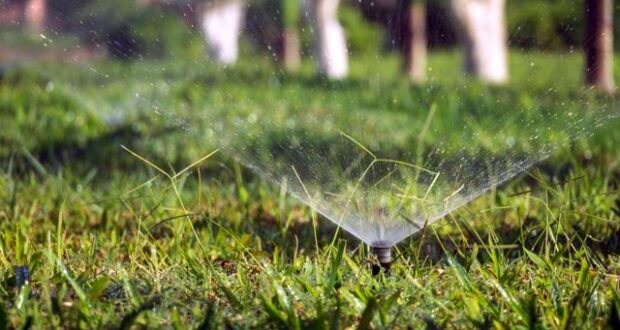
A good-looking yard doesn’t usually happen by accident. Behind that green lawn and healthy landscaping, there’s often a sprinkler system doing quiet work before most people finish breakfast. The problem is that sprinklers are easy to ignore until one starts spraying the sidewalk like it’s auditioning for a fountain show. A few simple habits can help you catch small issues early, waste less water, and keep your yard looking steady without turning maintenance into a full-time hobby.
Why Regular Sprinkler Maintenance Matters
Your sprinkler system affects more than just whether the grass looks nice from the street. It also plays a big part in how much water you use, how evenly your plants grow, and whether muddy patches start showing up where they shouldn’t. If one broken sprinkler head keeps soaking the same spot, that small issue can lead to root problems, fungus, or a water bill that makes you blink twice.
If you notice damage, uneven coverage, or leaks, addressing them as part of regular sprinkler system maintenance can help prevent larger problems from developing underground. You don’t have to obsess over every nozzle, but a quick monthly look can save you from larger headaches later. Think of it like checking the air in your tires. It’s not glamorous, but it keeps everything running the way it should.
Catch Problems Before They Get Worse
Most sprinkler problems leave clues long before the whole system fails. You just have to know what to look for. One of the easiest warning signs is a patch of lawn that stays soggy even when the rest of the yard dries normally. That can point to a leak or a valve issue. On the flip side, dry brown spots may mean one head is clogged, blocked, or not popping up fully.
Watch for water spraying in odd directions too. If a sprinkler is hitting the driveway, fence, or your neighbor’s garage door, something is off. Tilted heads are another common giveaway, especially after lawn work or foot traffic. You might also notice weaker spray pressure in one zone than another.
Then there’s another clue worth watching: your utility bill. If your usage jumps and your family isn’t suddenly taking hour-long showers, your sprinkler system may be wasting water without you realizing it. A short walk around the yard while the system runs can reveal more than you’d expect.
Adjust Your Sprinkler System with the Seasons
A sprinkler schedule that works in spring may be all wrong by midsummer. That’s where many homeowners get tripped up. They set the timer once and forget it, even when temperatures, rainfall, and daylight shift. Your yard’s needs change through the year, so your watering routine should too.
During hotter months, water usually works best early in the morning. That gives the soil time to absorb moisture before the day’s heat increases evaporation. Watering in the evening can sometimes leave grass damp too long, which invites disease. Midday watering is often the least efficient, since heat and wind can carry it off fast.
In cooler periods, many lawns need less frequent watering. If the timer keeps running summer-length cycles in fall, you’re likely overdoing it. Shorter, smarter cycles help prevent runoff and shallow roots. Your grass doesn’t need a daily swimming lesson. It needs the right amount at the right time.
Protect Your Sprinklers in Busy Areas
Sprinkler systems don’t live in a bubble. They share space with mower wheels, soccer balls, dogs, bikes, and the occasional guest who thinks the lawn is extra parking. That daily activity can knock heads out of alignment or crack parts without anyone noticing right away.
If you have kids or pets, pay extra attention to sprinkler heads near play zones and pathways. Repeated running, digging, or roughhousing can loosen them over time. The same goes for edges near driveways where tires may roll a little too far. Even careful mowing can cause damage if heads sit too high above the soil.
A smart habit is to walk the yard every couple of weeks and make sure each head still sits straight. Trim grass or plants that block spray patterns. If a sprinkler head seems too exposed, it may need to be reset lower or protected from everyday impacts. Small bumps and repeated wear can take a toll over time. Your sprinklers may be hardworking, but they’re not indestructible superheroes in plastic hats.
Water Smarter, Not Harder
Using less water doesn’t have to mean settling for a sad-looking yard. In many cases, it just means watering with more purpose. Start by checking for overspray. If water is landing on the sidewalk, street, or patio, that’s money literally going down the pavement.
It also helps to group plants by similar water needs when possible. Grass, shrubs, and flower beds don’t always thrive on the same schedule. If everything gets watered the same way, some plants may get too much while others get too little. Even a basic zone adjustment can improve that.
A few practical habits go a long way:
- Run sprinklers early, when evaporation is lower
- Check that heads aren’t blocked by growth
- Pause watering after rain
- Watch for runoff on slopes or compacted soil
Healthy soil matters too. If water can’t soak in well, the system may seem like the problem when the bigger issue is drainage. Smart watering is less about flooding the yard and more about consistency.
Know When to Call a Professional
Some sprinkler issues are easy to observe but not always easy to fix. It’s one thing to notice a crooked head or a blocked spray pattern. It’s another thing to diagnose low pressure across a zone, a valve that won’t shut off, or a leak hiding below the surface. That’s where knowing your limit can save time and frustration.
If you keep seeing the same problem return, that usually means the root cause wasn’t solved. Repeated breakage, pooling water, clicking valves, or one zone refusing to turn on may point to deeper mechanical or electrical trouble. Wiring and controller problems can get especially tricky if you’re guessing your way through them.
Calling a professional makes sense when the issue affects multiple areas, wastes a lot of water, or may require digging. You don’t need to become an irrigation detective with a shovel and a prayer. For most homeowners, the best approach is simple: catch problems early, make smart adjustments, and call a professional when repairs go beyond routine maintenance. With consistent care, your sprinkler system can stay reliable for years while keeping your lawn healthy and reducing unnecessary water waste.