KHTS Radio Santa Clarita Radio – Santa Clarita News

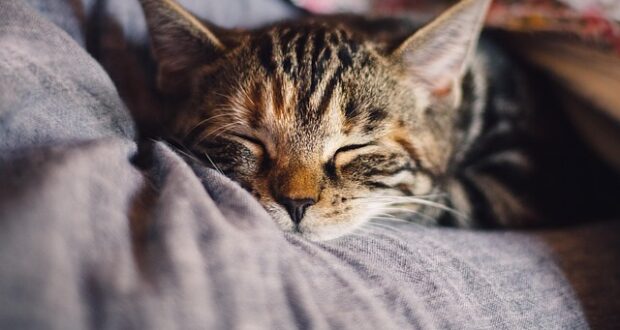
A Maine Coon can live happily in the Santa Clarita Valley, but its thick coat means summer needs a plan. Keep one room reliably cool, make fresh water easy to find, brush more often instead of shaving, and decide in advance what you will do if the power goes out on a hot afternoon. If you are comparing Maine Coon kittens for sale, build those steps into the homecoming plan before the first heat advisory rather than during it.
The breed was shaped by cold New England winters. Its long, layered coat insulates well, which is exactly why a house that feels merely warm to a person can feel heavy to a large, fluffy cat. Most heat problems at home are preventable with a few habits that fit easily into an ordinary week.
Why a thick coat changes the summer plan
Cats do not sweat the way people do. They release a small amount of heat through their paw pads and rely mostly on resting, finding cooler surfaces, and grooming. A Maine Coon’s dense undercoat traps air, so the cat depends heavily on its surroundings during a long stretch of hot days.
That is why the most useful question is not “How hot is it outside?” but “Where will my cat go when the house warms up?” Older cats, very young kittens, and overweight cats tend to have less margin, so plan with the most vulnerable member of the household in mind.
Set up a cool room before the first heat advisory
Choose one room that stays coolest through the afternoon. In many Santa Clarita homes that is a ground-floor bedroom or a room facing away from the western sun. Prepare it before the season starts so the cat already treats it as a familiar retreat.
A practical cool room includes:
- Blackout curtains or blinds that can be closed by late morning.
- A tile, stone, or laminate area where the cat can stretch out.
- A raised bed or a cotton blanket placed away from sunny windows.
- A litter box and a water station, so the cat does not have to cross hot rooms.
- A fan positioned to move air across the room without blowing directly on the bed.
If your home has central air, set a schedule rather than relying on someone remembering to switch it on. If you use a window unit, check that the cat cannot reach the gap around it or push out a screen.
Keep water appealing and easy to find
Hydration is the simplest protection you can offer. Place at least two water bowls in different rooms, including the cool room, and refresh them more often during heat waves. Some cats drink more from a wide ceramic or stainless steel bowl than from a narrow one, and some prefer a circulating fountain.
A few small changes help:
- Wash bowls daily so the water does not develop a film or odor.
- Add a few ice cubes in the afternoon if your cat enjoys them, but do not let ice replace fresh water.
- Keep bowls away from the litter area and away from busy hallways.
- If your cat eats dry food, ask your veterinarian whether adding wet meals during hot months makes sense for your individual cat.
Groom for airflow, not for a dramatic haircut
It is tempting to shave a long-haired cat for summer. The ASPCA’s hot weather safety tips note that brushing cats more often than usual can help prevent problems caused by excessive heat. Removing loose undercoat and mats also lets air move through the coat more easily.
Brush a Maine Coon several times a week in summer, paying attention to the ruff, the belly, and the “britches” on the back legs, where mats form easily. Short sessions with treats work better than one long struggle. If a cat already has severe mats, ask your veterinarian or an experienced cat groomer for help rather than cutting close to the skin with scissors.
Plan for power outages and hot afternoons
Southern California summers can bring planned power shutoffs during high-risk weather, as well as unplanned outages. Without air conditioning, a closed house can warm quickly. Decide now what you will do, so no one has to improvise during a 100-degree afternoon.
| Situation | What to do |
|---|---|
| Power goes out at midday | Close blinds, open interior doors to the coolest room, and refresh water immediately. |
| Outage expected to last hours | Arrange a cooler place to go, such as a friend’s home, and check that your carrier is ready. |
| You will be away during a heat wave | Ask a neighbor or sitter to check the cat and the room temperature. |
| Battery fan available | Use it in the cool room, pointed across the floor rather than at the cat. |
Keep the carrier somewhere easy to reach and practice short, calm trips in it throughout the year. A cat that already accepts its carrier is far easier to move when the house becomes uncomfortable.
Recognize the warning signs of overheating
Heatstroke is an emergency. The AVMA’s warm weather guidance recommends providing different temperature zones inside the home and warns never to leave a pet in a car, even in the shade or with the windows cracked, because cars can overheat quickly to dangerous temperatures.
Contact a veterinarian right away if you notice signs such as:
- Open-mouth breathing or panting, which is unusual for cats.
- Drooling, restlessness, or an unsteady walk.
- Unusual weakness, vomiting, or collapse.
- Bright red gums or a cat that will not move from a hot spot.
While you call, move the cat to a cooler area and offer water, but do not force the cat to drink or submerge it in cold water. Your veterinarian can tell you what to do on the way.
Bring a new kitten home with the season in mind
If you are planning to welcome a Maine Coon kitten, timing and preparation matter. Happy Paws US is based in Florida and coordinates delivery nationwide, so ask how the trip will be scheduled around the weather and how the kitten will be kept comfortable on arrival day. Have the cool room ready before the kitten arrives, with food, water, a litter box, and a hiding spot already in place.
Young kittens explore everything, including warm windowsills and the space behind appliances. Check the cool room at kitten height and remove cords, loose screens, and small objects that could be swallowed.
Questions Santa Clarita cat owners often ask
Should I shave my Maine Coon for summer?
Usually not for heat alone. Regular brushing that removes loose undercoat helps air move through the coat. If matting is the real problem, ask your veterinarian or a groomer about a careful trim.
Is a fan enough on a 100-degree day?
A fan moves air but does not cool the room itself. On very hot days, a fan works best alongside air conditioning or a naturally cool room with closed blinds and cool flooring.
Can a kitten handle the heat better than an adult cat?
Not necessarily. Very young kittens have less ability to regulate their temperature and can become dehydrated quickly. Keep them in the cool room during the hottest part of the day and ask your veterinarian for guidance specific to your kitten.
A Maine Coon’s coat is part of its charm. With a cool retreat, fresh water, regular brushing, and a backup plan for outages, that coat does not have to be a summer problem in the Santa Clarita Valley.