KHTS Radio Santa Clarita Radio – Santa Clarita News

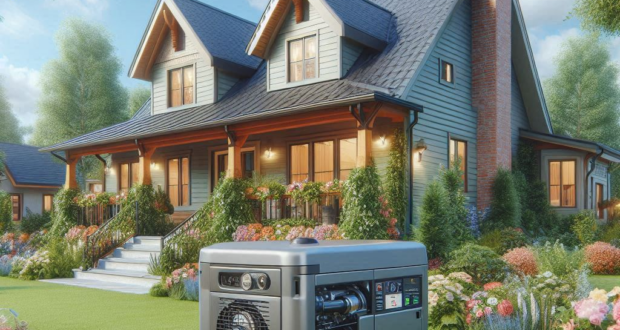
When the lights suddenly go dark and your home falls silent, the true vulnerability of our modern lifestyle becomes crystal clear. Recent years have seen an alarming increase in power outages across the country, from devastating storms to overwhelming grid failures that leave thousands of households in the dark for days. In today’s connected world, where everything from our food storage to home security systems relies on electricity, these outages aren’t just inconvenient – they’re potentially dangerous.
Whole home generators and advanced battery systems have emerged as the ultimate shield against these disruptions, offering uninterrupted power security for your entire household. While traditional fuel-based generators have long been the standard, modern battery-based solutions are revolutionizing how we think about backup power, providing cleaner, smarter, and more flexible alternatives for homeowners.
This comprehensive guide will walk you through everything you need to know about securing your home’s power supply, from understanding different backup solutions to choosing the right system for your specific needs. Whether you’re concerned about protecting your family during emergencies or simply want to ensure your home never goes dark, this essential information will help you make an informed decision about your power security future.
Why Whole Home Generators Are Essential for Modern Households
Recent data from the U.S. Department of Energy reveals a disturbing 60% increase in weather-related power outages over the past decade, with extended blackouts becoming increasingly common across major metropolitan areas. These disruptions pose serious risks beyond mere inconvenience – medical devices like CPAP machines and refrigerated medications become inoperable, thousands of dollars worth of food can spoil within hours, and modern security systems fail just when they’re needed most.
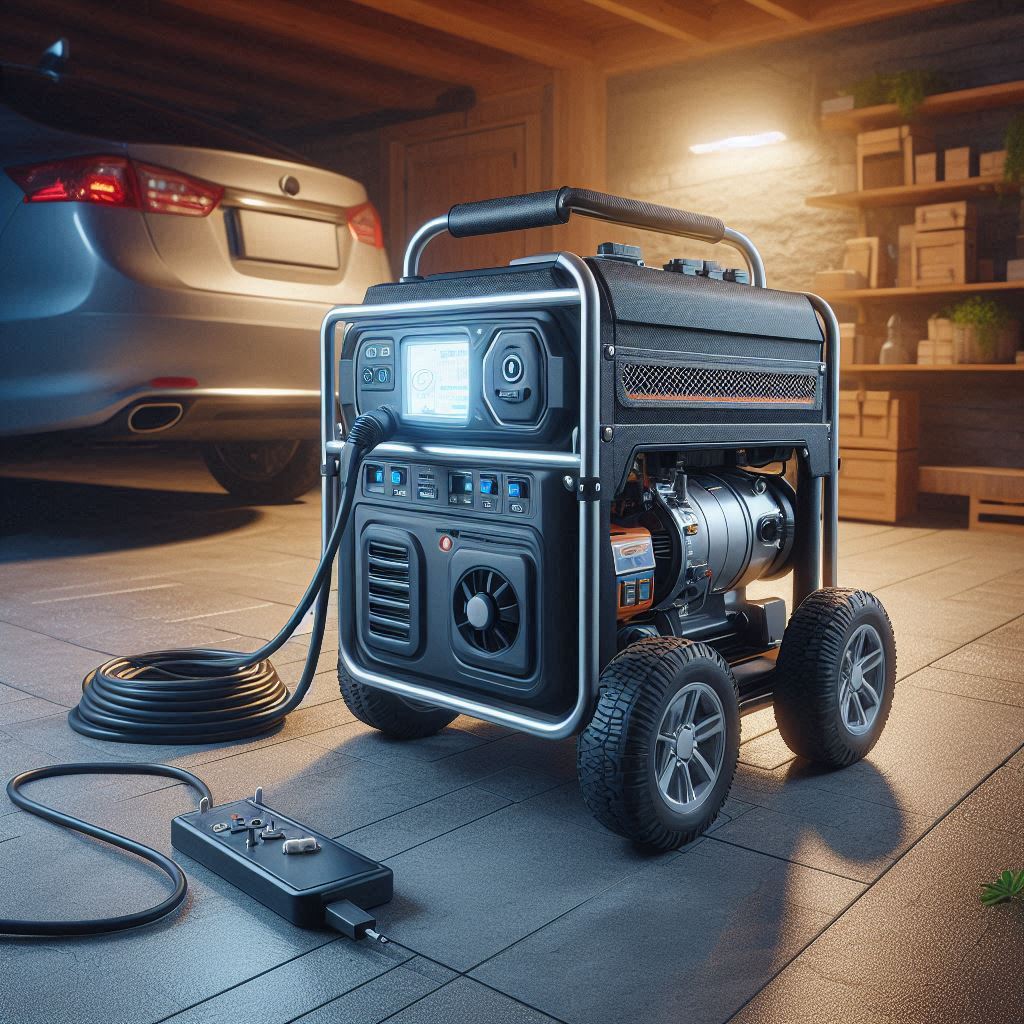
AI image created by: https://designer.microsoft.com/
Unlike portable generators that require manual setup and can only power a few appliances, whole home generators activate automatically within seconds of an outage, maintaining power to every circuit in your house. This seamless transition means you’ll never have to fumble with extension cords in the dark or make difficult choices about which appliances to keep running. The psychological impact of this reliability cannot be overstated – families can maintain their normal routines during emergencies, children stay calm with nightlights and entertainment systems operational, and parents can focus on managing other aspects of weather events without worrying about power.
For those working from home or running small businesses, continuous power ensures income isn’t interrupted by local grid issues. Even during normal operations, having a whole home backup system provides invaluable peace of mind, knowing that critical systems from sump pumps to refrigerators will continue functioning regardless of external conditions.
Types of Whole Home Generators: Fuel vs Battery Power Backup

AI image created by: https://designer.microsoft.com/
Traditional Fuel-Based Systems
Traditional fuel-based generators remain a proven solution for home backup power. Natural gas and propane systems require professional installation with proper ventilation, dedicated fuel lines, and concrete pad foundations. These systems excel in providing consistent long-term power but demand regular maintenance and fuel storage consideration. Diesel generators, while less common for residential use, offer superior fuel efficiency and longevity for larger properties, though they require significant space for fuel storage and face stricter environmental regulations in many areas.
Battery-Powered Energy Storage Solutions
Modern battery systems represent the cutting edge of home energy backup technology. These systems integrate seamlessly with existing electrical panels and can instantly provide power during outages without the noise or emissions associated with fuel generators. Leading solutions like the EcoFlow DELTA Pro can even recharge through solar panels during daylight hours, potentially providing indefinite backup power during extended outages. The maintenance requirements are minimal, with no moving parts to service and software updates handled remotely. While initial costs may be higher, battery systems offer superior operational efficiency, with virtually silent operation and zero direct emissions. The ability to store excess solar power and participate in utility demand response programs can offset installation costs over time.
Key Features for Reliable Home Power Backup Solutions
Selecting the right backup power system starts with a thorough assessment of your home’s electrical demands. To calculate power requirements, identify essential circuits like refrigeration, HVAC, and medical equipment that need constant power, then factor in whole-home coverage needs for complete comfort. Most households require between 15-25 kilowatts for full coverage, though specific requirements vary based on square footage and appliance types.
Transfer switch technology represents a critical component in any backup system. Automatic transfer switches detect outages within seconds and seamlessly transition power to your backup source without manual intervention. While manual transfer switches offer cost savings, the added security of automatic switching proves invaluable during nighttime or absent-owner scenarios. Modern smart transfer switches can even prioritize power distribution to critical circuits when operating under limited capacity.
Runtime capabilities depend heavily on system type and capacity. Fuel-based systems can operate indefinitely with adequate fuel supplies, while battery systems typically provide 12-24 hours of backup without solar charging. Leading systems now offer expandable capacity through modular design, allowing homeowners to start with essential coverage and scale up as needs or budgets allow. This flexibility ensures your investment remains viable as household energy demands evolve over time.
Implementing Your Whole Home Generator System
Step 1: Home Energy Audit
Begin your backup power journey with a comprehensive home energy audit. Calculate your critical load requirements by documenting every essential appliance’s wattage rating and daily runtime hours. Focus particularly on life-sustaining equipment like medical devices, security systems, and climate control. A professional energy auditor can provide detailed consumption analysis using specialized monitoring equipment, revealing hidden power draws and usage patterns that impact system sizing.
Step 2: Installation Considerations
Installation approaches vary significantly between system types. Traditional fuel generators require licensed electricians and plumbers to handle fuel line connections, concrete pad preparation, and transfer switch installation. Battery systems offer more flexibility, with some models allowing DIY installation of basic components, though professional certification is still recommended for main panel integration. Consider factors like local building codes, HOA restrictions, and placement requirements that affect noise reduction and ventilation needs.
Step 3: Configuration and Testing
Once installed, proper system configuration ensures reliable operation during outages. For battery systems, setup includes programming critical load priorities, configuring mobile app connectivity, and establishing communication with solar components if present. Traditional generators require careful calibration of voltage regulators and frequency controls. Regular testing protocols should include monthly self-test cycles, transfer switch operation verification, and backup power transition timing checks. Document all maintenance procedures and establish a regular testing schedule to maintain system readiness.
Securing Your Home’s Power Future
The decision to invest in whole home backup power has never been more crucial than in today’s increasingly unpredictable climate. As we’ve explored, modern solutions range from traditional fuel-based generators to cutting-edge battery systems, each offering distinct advantages for different household needs. The key lies in matching your specific requirements – from critical medical equipment to whole-home coverage – with the right technology and capacity.
Whether you choose a conventional generator’s proven reliability or embrace the silent, emission-free operation of battery systems, proper planning is essential. Consider your home’s power demands, installation requirements, and long-term maintenance needs. Factor in scalability options to ensure your investment continues serving your household as energy needs evolve.
Take the first step toward power security by conducting a thorough energy audit of your home. Consult with certified professionals who can evaluate your specific situation and recommend appropriate solutions. Remember, the peace of mind that comes from knowing your home will stay powered through any disruption is invaluable – and now more achievable than ever with today’s advanced backup power options.