KHTS Radio Santa Clarita Radio – Santa Clarita News

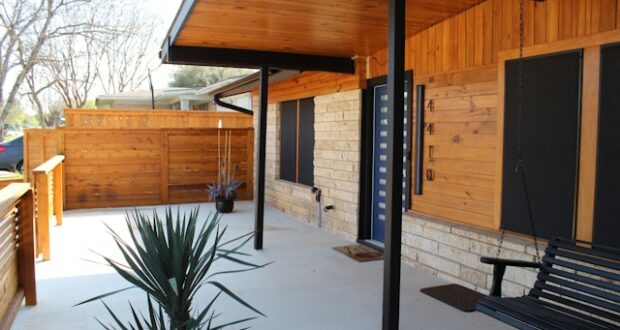
Adding an awning to your porch might seem like a small upgrade—but it can make a big difference in how you enjoy your outdoor space. From blocking harsh sun to adding curb appeal, porch awnings come with a surprising number of benefits.
But before you pick a style or call an installer, there are some key decisions to consider—like materials, types, maintenance, and how it all fits with your home’s layout and climate.
Whether you’re looking for a cozy shaded spot or protection from the elements, this guide breaks down what every homeowner should know before buying a porch awning.
Why Install a Porch Awning in the First Place?
A porch awning does more than just provide shade—it expands your living space and protects your porch from weather damage that can fade furniture and deteriorate flooring over time.
UV protection for furniture and flooring prevents costly replacement of outdoor pieces, while the awning helps lower indoor temperatures during summer by blocking direct sunlight from entering through windows and doors. You’ll also get shelter from light rain or snow, plus enhanced outdoor comfort and privacy that makes your porch more inviting.
For homes with west or south-facing porches, an awning can significantly reduce sun exposure and make your porch usable throughout the day instead of just during cooler morning or evening hours.
Fixed vs. Retractable: Which Type Is Right for You?
Fixed awnings are permanent installations built to withstand all kinds of weather year-round. Retractable awnings, on the other hand, offer flexibility—you can extend or retract them depending on current conditions or seasonal preferences.
Budget considerations matter since retractable models typically cost more upfront but offer greater versatility in use. Weather patterns in your area play a role too, as fixed awnings generally handle snow loads better in colder climates where winter weather is harsh.
Think about usage patterns as well. Retractable options are ideal if you want to welcome sunlight during winter months, while fixed awnings work well for consistent year-round coverage. Maintenance requirements differ too, with retractables potentially needing more upkeep due to their moving parts.
Choose based on how often you’ll use the covered space and how much control you want over your shade throughout different seasons.
Materials Matter: What to Look For
Porch awnings come in a range of materials, each with distinct advantages and drawbacks that affect both performance and appearance.
Fabric options like acrylic or canvas offer style and breathability with many color choices to match your home’s exterior. These materials work well in moderate climates but may require more frequent replacement in harsh weather conditions.
Aluminum or metal awnings provide superior durability and work better for long-term fixed structures that need to withstand heavy weather. They’re often the best choice for areas with frequent storms or extreme temperature swings.
Key material considerations:
- Climate resistance and longevity
- Maintenance requirements and cleaning ease
- Color options and fade resistance
- Cost differences between material types
Polycarbonate represents a modern alternative that’s lightweight yet strong, often used in contemporary designs where you want some light transmission along with weather protection.
Style and Design Tips That Work
A porch awning can subtly complement your home’s architecture—or become an eyesore if the design choices don’t work well together. The key is choosing a style that feels integrated with your exterior rather than tacked on as an afterthought.
Match your awning color with existing trim or door colors for a cohesive look that doesn’t clash with your home’s palette. Consider decorative elements like valances or scalloped edges for visual interest, but keep them proportional to your porch size.
Pay attention to symmetry by aligning the awning with existing architectural elements like columns, windows, or doorways. Avoid overdoing decorative details, and keep proportions in check so the awning enhances rather than overwhelms your porch area.
The goal is making it feel like a natural extension of your home’s design rather than an obvious add-on that looks out of place.
Installation, Permits, and Maintenance
Before moving forward with installation, check local zoning rules or HOA guidelines that might affect your project. Some municipalities require permits, especially for awnings attached to the front of houses in historic districts or areas with strict aesthetic guidelines.
Consider whether you’ll tackle installation yourself using DIY kits or hire professionals. While DIY options exist, proper installation can be trickier than expected, particularly when dealing with drainage, slope, and structural attachment points.
Make sure water doesn’t pool on the awning surface by ensuring proper slope and drainage. Plan for seasonal care including cleaning fabric surfaces, inspecting frames for wear, and removing snow buildup in winter climates.
If you’re considering motorized retraction, factor in electrical requirements and ongoing maintenance of mechanical components that make automatic operation possible.
Conclusion
Buying a porch awning is a smart move—but the right choice depends on your home’s setup, your climate, and how you plan to use your outdoor space throughout the year.
From choosing materials that will last in your weather conditions to deciding between fixed or retractable systems, each decision impacts comfort, aesthetics, and long-term performance.
With thoughtful planning and the right setup, you’ll enjoy a porch that’s more functional, stylish, and enjoyable—rain or shine.