KHTS Radio Santa Clarita Radio – Santa Clarita News

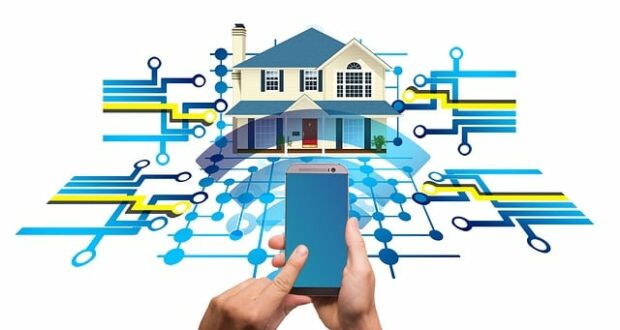
The evolution of smart home technology has revolutionized how we live, offering unparalleled convenience and efficiency. However, as we embrace these advancements, it is crucial to balance these benefits with considerations for our health, particularly regarding electromagnetic field (EMF) exposure. This article explores the latest smart home innovations, their impact on home value, and strategies to manage potential health concerns associated with EMFs.
The Rise of Smart Home Technology
Smart home technology has rapidly transitioned from futuristic concepts to mainstream necessities. Devices like smart thermostats, lighting systems, security cameras, and voice-activated assistants are now commonplace in many households. These technologies offer numerous advantages:
- Energy Efficiency: Smart thermostats and lighting systems help optimize energy usage, leading to significant cost savings on utility bills.
- Enhanced Security: Smart security systems provide real-time monitoring and alerts, increasing the safety of your home.
- Convenience: Voice-activated assistants and automated devices simplify daily tasks, from adjusting room temperatures to managing home entertainment systems.
- Increased Property Value: Homes equipped with smart technology often attract higher market prices and interest from potential buyers.
Estimating Your Home’s Worth After Renovation
Incorporating smart technology into your home not only enhances your living experience but can also significantly boost your property’s market value. Understanding how to estimate your home’s worth after renovation can help you make informed decisions about which smart upgrades offer the best return on investment. Key considerations include:
- Market Demand: Research the popularity of smart home features in your area to determine which upgrades are most likely to attract buyers.
- Cost vs. Value: Assess the costs associated with installing smart home devices against the potential increase in property value.
- Professional Appraisal: Consulting with a real estate professional or appraiser can provide a more accurate estimate of your home’s value post-renovation.
EMF Exposure in Smart Homes
While the benefits of smart home technology are undeniable, it is essential to address the potential health concerns related to EMF exposure. EMFs are invisible areas of energy associated with the use of electrical power and various forms of natural and man-made lighting. With the proliferation of smart devices, our exposure to EMFs has increased, raising questions about long-term health effects.
Understanding EMF Risks with Smart Technology
EMF exposure has been linked to various health concerns, although the extent and nature of these risks are still being studied. Key points to consider include:
- Types of EMFs: EMFs are categorized into two types: low-frequency EMFs (emitted by household appliances) and high-frequency EMFs (emitted by wireless devices and smart vehicles).
- Health Implications: Some studies suggest that prolonged exposure to high-frequency EMFs may lead to health issues such as headaches, sleep disturbances, and, in extreme cases, increased risk of certain cancers.
- Safety Standards: Regulatory bodies like the World Health Organization (WHO) and the International Commission on Non-Ionizing Radiation Protection (ICNIRP) provide guidelines for safe EMF exposure levels.
Mitigating EMF Exposure in Your Smart Home
To enjoy the benefits of smart home technology while minimizing potential health risks, consider the following strategies:
- Placement of Devices: Place smart devices away from areas where you spend extended periods, such as bedrooms and living rooms.
- Limit Wireless Use: Opt for wired connections where possible, such as Ethernet cables for internet access, to reduce high-frequency EMF exposure.
- Use EMF Shields: EMF shielding devices can help block or reduce EMF emissions from smart devices.
- Regular Monitoring: Use EMF meters to regularly check the levels of EMF exposure in your home and adjust your device usage accordingly.
Integrating Health-Conscious Smart Home Practices
Creating a smart home that prioritizes both convenience and health is achievable with mindful planning and implementation. Here are some actionable tips:
- Smart Energy Management: Invest in smart energy management systems that not only save energy but also monitor and minimize EMF emissions.
- Healthy Sleep Environment: Ensure your bedroom is a low-EMF zone by keeping smart devices and routers out of sleeping areas.
- Regular Updates and Maintenance: Keep your smart devices updated with the latest firmware to ensure they operate efficiently and safely.
- Education and Awareness: Educate yourself and your family about the sources and effects of EMF exposure and encourage practices that reduce unnecessary exposure.
The Future of Smart Homes
The future of smart home technology looks promising, with continuous innovations aimed at enhancing our quality of life. As these technologies evolve, staying informed about their benefits and potential risks is crucial. By integrating smart home innovations thoughtfully and responsibly, you can create a living environment that is convenient, efficient but also safe, and healthy.
The smart home industry is increasingly focusing on sustainability and eco-friendliness. Advances such as smart grids, energy-efficient appliances, and renewable energy integration are becoming more prevalent, allowing homeowners to reduce their carbon footprint while enjoying the perks of modern technology. Embracing these sustainable innovations not only contributes to a healthier planet but also promotes a more balanced and conscientious way of living. As we move forward, the intersection of smart technology and sustainability will likely become a key driver in shaping the future of our homes.