KHTS Radio Santa Clarita Radio – Santa Clarita News

In coffee shops, community centers, and suburban garages across America, a quiet revolution is taking place. More people are rolling up their sleeves and diving into hands-on creative pursuits that connect them to traditions their grandparents might have known. From woodworking to pottery, leather crafting to small-batch brewing, Americans are rediscovering the satisfaction of making things with their own hands.
According to recent data, approximately one-quarter of U.S. respondents reported engaging in DIY and arts & crafts as personal hobbies in 2024 Statista. This resurgence isn’t just about nostalgia. In an increasingly digital world, there’s something deeply satisfying about creating tangible objects and mastering traditional skills. Whether it’s the smell of fresh-cut wood, the feel of clay taking shape on a wheel, or the pride of serving a meal made entirely from scratch, these crafts offer a counterbalance to screen time and fast-paced modern life. Research involving more than 93,000 people across 16 countries found that those with hobbies reported better health, more happiness, fewer symptoms of depression, and higher life satisfaction compared with those who didn’t have hobbies Harvard Health.
Woodworking & DIY Home Crafting
The woodworking revival has transformed countless garages and basements into workshops. What started as simple projects-cutting boards, shelves, small boxes-often evolves into a lifelong passion. The appeal is multifaceted: there’s the meditative quality of working with your hands, the practical benefit of custom furniture that fits your space perfectly, and the environmental advantage of building pieces meant to last generations rather than ending up in landfills.
Woodturning and other wood-based crafts have seen a resurgence in popularity thanks to popular artists and the Maker Movement, increasing their visibility in the modern craft market Anthonythomas. Local woodworking guilds report growing membership, with beginners learning alongside seasoned craftspeople. Many are drawn to the problem-solving aspect of the craft-figuring out joinery, understanding wood grain, and developing an eye for proportions. Others appreciate the connection to history, using techniques that haven’t changed much in centuries.
Leathercraft & Handmade Accessories
Leatherworking has emerged from the shadows of industrial manufacturing to become one of the fastest-growing DIY hobbies. Starting with relatively simple projects like wallets, belts, or keychains, newcomers quickly discover that leather is a forgiving material that rewards patience and attention to detail.
The craft appeals to practical-minded makers who want items that improve with age rather than wear out. A hand-stitched leather bag develops character over years of use, and the skills learned from basic projects can expand into more ambitious undertakings. Online communities share patterns, troubleshoot techniques, and celebrate each other’s progress, creating a supportive environment for learning.
Craft Beverages & Small-Batch Distilling
The craft beverage movement extends far beyond trendy microbreweries. Home brewers, vintners, kombucha makers, and even small-batch distillers (where legal) are exploring the art and science of fermentation and flavor development. What was once seen as the domain of hobbyists in basements has evolved into a sophisticated subculture with its own vocabulary, techniques, and community gatherings.
These craft beverage enthusiasts share a fascination with the transformation process-watching simple ingredients like grains, hops, fruits, or tea evolve into complex finished products. The experimentation never ends, with subtle changes in temperature, timing, or ingredients producing dramatically different results.
Hand-Rolled Tobacco as a Heritage Craft
Among the various traditional crafts experiencing renewed interest, the art of tobacco blending and hand-rolling occupies a unique historical niche. This centuries-old craft emphasizes patience, technique, and an understanding of natural materials. Some enthusiasts explore premium cigar varieties that highlight craftsmanship techniques passed down through generations, with curated selections often showcasing differences in leaf origin, rolling methods, and aging traditions.
Many also take interest in how different blends express distinct characteristics, from leaf selection to curing traditions. For those who enjoy exploring how flavors vary across blends and preparation styles, this overview of popular cigarillo flavor profiles offers a closer look at how taste, craftsmanship, and tradition intersect in this part of the culture.
Like wine-making or cheese aging, this craft involves an appreciation for how time and proper conditions affect raw materials. Enthusiasts study the characteristics of different leaf varieties, the impact of curing methods, and the nuances of blending-treating it as a heritage skill passed down through generations rather than simply a consumer activity. The craft requires attention to detail in every step, from selection to storage, with practitioners often comparing notes on techniques much like any other artisan community.
This traditional knowledge encompasses understanding humidity levels, proper aging conditions, and preservation methods that maintain quality over time. While the health concerns around tobacco use are well-established and important, the craft tradition itself represents a slice of agricultural and artisanal history that some choose to study and practice as they would any other heritage skill.
Gardening, Homesteading & Homegrown Skills
The modern homesteading movement has inspired countless Americans to reclaim food production skills their great-grandparents would have considered essential. Urban and suburban dwellers are turning yards, balconies, and even windowsills into productive growing spaces, cultivating herbs, vegetables, and fruits.
But growing is just the beginning. Home canners are preserving summer’s abundance in jars of jam, pickles, and tomato sauce. Fermentation enthusiasts are experimenting with sauerkraut, kimchi, and sourdough starters that require daily feeding and care. These skills connect practitioners to seasonal rhythms and local food systems. There’s satisfaction in eating a meal composed entirely of homegrown or homemade ingredients, and many discover that food tastes different-better-when you’ve put in the work yourself.
Pottery, Ceramics & Handcrafted Goods
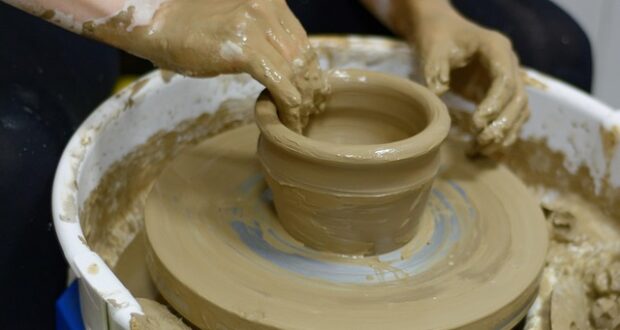
Pottery has gained popularity as a recreational activity and hobby, attracting individuals of all age groups, with pottery studios, workshops, and classes offering opportunities for people to learn and practice pottery techniques. The potter’s wheel, once a symbol of traditional craftsmanship, is attracting new students who find the tactile experience uniquely engaging in our touchscreen world.
Engaging in pottery allows individuals to express their creativity, enhance mindfulness, and find a sense of relaxation and accomplishment, with pottery serving as a therapeutic and stress-relieving activity. Beyond functional pottery, ceramics classes teach hand-building techniques, glazing chemistry, and kiln operation-skills that blend art, science, and tradition. Many students are drawn to the immediate feedback of the craft: clay responds instantly to pressure and movement, teaching patience and mindfulness.
Local pottery studios often become community hubs, offering open studio time, workshops, and opportunities to show work at craft fairs. The handmade goods movement has created markets for these items, with consumers increasingly valuing the story and craftsmanship behind objects they bring into their homes.
Embracing the Handmade Future
Research demonstrates that hobbies help mediate stress, promote relaxation, acquire skills, enhance self-esteem, increase happiness, improve social relationships, increase life satisfaction, and foster resilience, with studies showing approximately 75% of participants’ cortisol levels were lowered after engaging in creative activities Taylor & Francis OnlineUSU. The resurgence of traditional crafts represents more than a passing trend or rejection of modern convenience. It reflects a desire for balance-a way to engage different parts of ourselves and create meaning through making.
These hobbies foster patience in a world that demands instant results, encourages learning from failure rather than fearing it, and builds communities around shared interests rather than passive consumption. As more Americans discover the rewards of working with their hands, they’re not just preserving traditional skills-they’re adapting them for contemporary life and passing them forward to the next generation. Whether you’re drawn to wood, clay, leather, plants, or any other material, there’s never been a better time to explore the satisfaction of creating something meaningful, one handcrafted project at a time.