KHTS Radio Santa Clarita Radio – Santa Clarita News

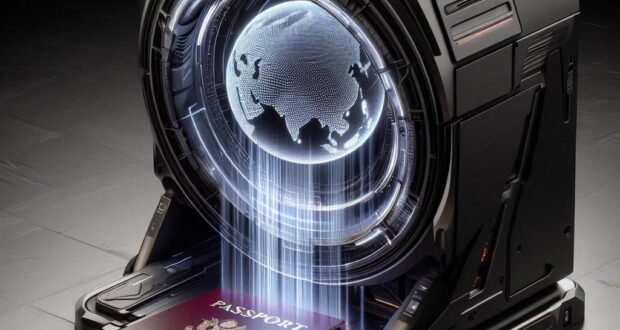
MRZ (machine-readable zone) scanners have been a piece of ubiquitous technology for more than 40 years now, as they’re part of a standardized procedure in the fast and accurate processing of travel documents, ensuring efficiency and security at borders and immigration points.
However, for many, the ways in which these scanners perform their function remain mysterious, and many are wondering what technologies actually drive these scanners. In this guide, we’ll discuss the technology behind MRZ scanners so that you can better understand how these scanners work.
The Basics of MRZ Scanners
As previously stated, MRZ scanners have been in use for more than four decades now. The technology was first standardized in the early 1980s by the International Civil Aviation Organization but has since evolved alongside advancements in other technologies, such as biometrics.
Nonetheless, the core concept of MRZ scanning hasn’t changed, and it allows machines to quickly and accurately read essential travel information for efficiency and security purposes. The MRZ itself refers to the designated area on the document, such as passports and visas, that contain personal information.
It’s usually found at the bottom of the identification page in the form of two or three lines of alphanumeric text. Its formatting and encoding are standardized according to ICAO Document 9303 and its guidelines, which ensures global uniformity and interoperability of MRZ codes.
This text is encoded using the optical character recognition (OCR) technology, which allows scanners to quickly scan and read said text and contains information regarding the document type, issuing country and document number, holder’s name, and personal information.
How MRZ Scanners Work
MRZ scanners rely on a combination of hardware and software to capture, process, and verify the information embedded in a particular travel document’s MRZ. OCR technology resides at the core of MRZ scanning, and it enables the scanners to read and interpret the characters in the machine-readable zone. OCR then converts the visual information derived from letters and numbers into machine-readable data, which is subsequently processed by software.
The scanner reads the text using high-resolution cameras or infrared scanners to capture an image of the MRZ, converts the read text into digital data, and uses it to extract the personal details we mentioned above.
Each MRZ contains check digits, which are used to verify the extracted information for accuracy. These digits are calculated values that confirm data accuracy, and they’re applied to sensitive information contained within the documents.
If this verification fails, it signals a potential issue with the document, such as a scanning error or a fraudulent or stolen document. However, assuming that everything is okay, MRZ scanners will process the data by a central system, which cross-references said data with international databases.
This type of verification provides up-to-date information about the traveler’s status, as well as whether or not they’re flagged for security reasons or they’re carrying a lost, stolen, or fraudulent document. Thanks to their efficiency and accuracy, MRZ scanners have become an integral part of border control systems, particularly in high-traffic areas.
Endnote
If you’re developing your own MRZ system and you’re looking for an SDK that’s available for smartphones, desktops, servers, or localized MRZ, don’t look any further; just contact OCR Studio and check out their standalone MRZ scanner SDK solutions.