 KHTS Radio Santa Clarita Radio – Santa Clarita News

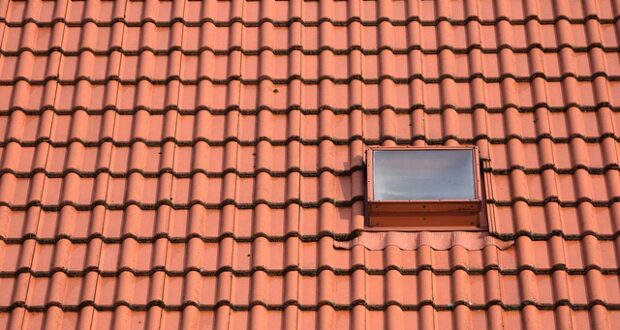
When it comes to home maintenance, your roof plays an essential role in protecting your home from the elements.
Whether you’re in Ohio or elsewhere, keeping your roof in top condition is critical for your home’s safety, comfort, and longevity.
One of the most effective ways to ensure your roof remains in good shape is by scheduling a roofing inspection.
In this guide, we’ll explore what a roofing inspection entails, why it’s crucial, and what’s included in a standard roof inspection process.
What Is a Roof Inspection?
A roofing inspection is a professional evaluation of your roof’s condition, usually performed by a certified roofing expert.
The purpose of the inspection is to assess the roof for damage, wear, or potential issues. During the inspection, the roofing expert will evaluate the roof’s surface, structure, and interior to identify any existing or potential problems.
If you live in Ohio, where severe weather conditions like snowstorms, heavy rains, and high winds are common, a roof inspection becomes even more important in maintaining your home’s integrity.
What Is Included in a Roof Inspection?
1. Exterior Roof Assessment
The first step in any roofing inspection is to examine the exterior of the roof. This is where most visible damage occurs, and it provides insight into the overall health of the roof. Here’s what inspectors typically look for:
- Shingles or Roofing Material: Inspecting the shingles for missing, cracked, curled, or damaged areas. This is especially important after storms in Ohio, where winds can lift shingles and cause gaps.
- Flashing: Flashing around chimneys, skylights, and vents should be checked for damage, rust, or improper sealing. Flashing is critical in preventing water from leaking into your home.
- Gutters and Downspouts: Inspecting the gutters for blockages, leaks, or improper installation. In Ohio, clogged gutters during winter can lead to water backing up and damaging your roof or foundation.
- Roof Penetrations: Areas where pipes, vents, and chimneys enter the roof are common spots for leaks. The inspector will ensure these areas are properly sealed and intact.
2. Structural Integrity Evaluation
An in-depth evaluation of the roof’s structure is essential for identifying any damage that might compromise the roof’s strength. Roofing experts will assess:
- Roof Decking: Inspecting the underlying decking for sagging or soft spots. Soft areas might indicate water damage, often a result of poor drainage or leaks.
- Rafters and Trusses: These structural supports should be checked for any cracks, stresses, or warping that could affect the stability of your roof.
- Ventilation: Proper attic ventilation is crucial to prevent moisture buildup and maintain the overall health of your roof. The inspector will evaluate your attic to ensure it is well-ventilated to prevent mold growth and preserve your roof’s lifespan.
3. Interior Inspection
While most of the inspection takes place on the roof itself, an interior inspection is equally important. The interior examination focuses on areas where water may have already entered:
- Water Stains and Leaks: Check for water stains, which could indicate roof leaks. Stains on ceilings or walls in Ohio, especially after a snowstorm, are common indicators that your roof may have suffered from water penetration.
- Mold or Mildew: The presence of mold or mildew in the attic or on the ceiling is another sign of roof leaks.
- Insulation Condition: Inspecting attic insulation to ensure it is not wet or damaged. Wet insulation is often a sign of a leaky roof, which can lead to higher heating costs, especially in Ohio’s cold winter months.
4. Detailed Reporting
Once the inspection is complete, the roofing expert will provide a detailed report that includes:
- Findings: A summary of the roof’s condition, including any damage, wear, or areas of concern.
- Photographs: Images of specific issues, such as missing shingles or damaged flashing, to provide visual evidence of damage.
- Recommendations: Advice on any necessary repairs or replacements based on the severity of the findings.
- Cost Estimates: In some cases, the inspector may provide rough cost estimates for the suggested repairs, helping you budget accordingly.
Why Are Roofing Inspections Important?
Early Detection of Issues
One of the primary reasons to schedule regular roofing inspections is to catch problems early.
Small issues, such as cracked shingles or missing flashing, can often be repaired inexpensively. However, if left unaddressed, these small problems can escalate into larger, costlier issues.
In Ohio, where harsh winters are common, minor roof damage can quickly turn into leaks or major structural problems.
Insurance Benefits
If your roof is damaged due to a storm, flood, or other disaster, your insurance policy may require proof of a recent roofing inspection to process your claim.
Insurance companies often ask for inspection reports to verify the condition of your roof before offering compensation for repairs or replacement.
Prolong the Life of Your Roof
Routine inspections help maintain the health of your roof, which can extend its lifespan. Regular checks prevent small issues from becoming large-scale problems, allowing you to maximize the life of your roof and delay the need for costly roof damage replacement.
Peace of Mind
A roof inspection gives homeowners peace of mind, knowing that their roof is in good condition and that they are protected from potential storm damage or structural issues. Whether you’re preparing for an Ohio winter or a spring storm, knowing that your roof is secure makes all the difference.
When Should You Schedule a Roof Inspection?
- Annually: It’s a good idea to have your roof inspected at least once a year, especially in areas like Ohio, where the weather can take a toll on roofs.
- After Severe Weather: If your area has just experienced a major storm or strong winds, it’s important to schedule an inspection right away. Roof damage from storms can be subtle, and failing to inspect your roof immediately could lead to costly repairs later.
- When Buying or Selling a Home: Before buying a home, a professional roofing inspection ensures that the roof is in good condition. If you are selling, having a recent inspection can help you address any issues beforehand, potentially increasing your home’s value.
- If You Notice Issues: If you see signs of water stains, cracks in the ceiling, or missing shingles, it’s time for an inspection.
Choosing a Qualified Roofing Inspector
When selecting a roofing inspector, it’s important to hire a certified professional. Here are a few things to look for:
- Licensed and Insured: Ensure that the inspector is licensed and insured to perform roofing inspections.
- Experience: Look for inspectors with experience in the industry and knowledge of Ohio’s specific roofing needs, especially in areas that experience severe weather.
- References: Ask for and check references or online reviews to gauge the inspector’s reliability and work quality.
Conclusion
Understanding what a roofing inspection involves is vital for homeowners, especially in areas like Ohio, where harsh weather conditions can take a toll on your roof.
Regular inspections can help detect problems early, saving you time and money on major repairs or replacements.
Whether for maintenance, after a storm, or before selling a home, roofing inspections provide valuable peace of mind and ensure that your roof is always in top condition.
For those in Ohio, working with local experts, like Dublin, OH roofing experts, ensures that you receive an accurate and professional assessment of your roof, tailored to the specific challenges posed by Ohio’s climate.


