KHTS Radio Santa Clarita Radio – Santa Clarita News

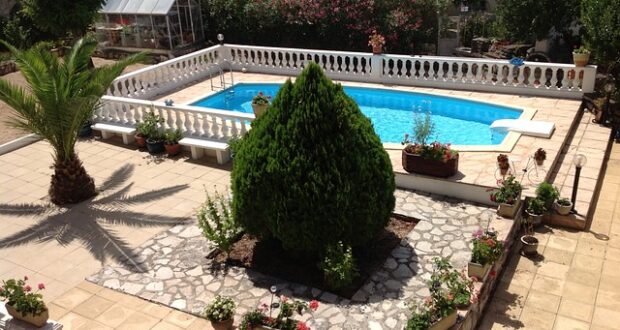
A stunning outdoor plan on paper holds little value if the right hands aren’t there to execute it. Designers bring vision through plant palettes, spatial layouts, and material selections. But shaping raw land, solving drainage problems, and constructing durable hardscape features calls for an entirely separate discipline. Knowing where creative planning ends and technical construction begins saves homeowners from expensive missteps. That gap becomes especially clear on complex residential or commercial sites that require permits, heavy equipment, and real-time problem-solving.
Translating Plans Into Buildable Reality
Designers deliver blueprints, mood boards, and curated plant lists. From there, contractors step in to evaluate whether those concepts hold up on the actual property. Soil type, buried utility lines, slope angles, and mature root systems all shape what they can realistically build. A retaining wall sketched in one spot might need to move several feet to clear a sewer main. Professionals working as landscape contractors in St. Louis make these adjustments regularly, adapting original designs to match conditions on the ground. Their site-level judgment keeps projects functional, safe, and compliant with local codes from day one.
Grading, Drainage, and Earthwork
This responsibility falls well outside a designer’s reach. Correct grading channels water away from foundations, eliminates pooling on patios, and shields planting beds from washout. Contractors rely on laser levels, transit instruments, and excavation equipment to reshape terrain at precise slope ratios. French drains, catch basins, and swale channels go in to manage heavy rain events year after year. Skip the earthwork phase, and even the most attractive outdoor space risks flooding or uneven settling before its first full season.
Structural Hardscape Installation
Retaining Walls and Foundations
A designer might call for a natural stone retaining wall, but the contractor determines how deep the footing must go, how many compaction layers are necessary, and whether geogrid reinforcement is necessary. Structural performance hinges on freeze-thaw behavior, lateral soil pressure, and the ratio of wall height to base width. Get any of those wrong, and the result is leaning, cracking, or outright failure within a few years.
Paver and Stone Flatwork
Patios, paths, and driveways demand thorough base preparation before a single unit gets placed. Contractors excavate to calculated depths, compact crushed aggregate in controlled lifts, and secure edge restraints along every border. That process is what prevents the shifting, sinking, and weed infiltration that plague rushed or improperly built surfaces.
Irrigation and Lighting Systems
Designers often mark irrigation zones and fixture spots on their drawings. Contractors, though, handle pipe diameter selection, water pressure math, valve sequencing, and backflow device installation. Lines get trenched at depths that protect against freeze damage, then tied into programmable timers or smart controllers. Low-voltage lighting follows a parallel workflow. Running cable, sizing transformers, and angling fixtures for both safety and visual effect requires hands-on electrical knowledge that sits squarely in a contractor’s wheelhouse.
Permit Acquisition and Code Compliance
Most local governments mandate permits for retaining walls above a set height, outdoor electrical work, and considerable regrading. Contractors file the paperwork, coordinate inspections, and verify that every component satisfies municipal building standards. Designers seldom take on that administrative load. Skipping a required permit can trigger fines, forced demolition of finished features, or title complications during a future property sale.
Managing Subcontractors and Project Timelines
Sizeable outdoor builds involve several specialized trades. Excavation crews, masons, electricians, plumbers, and planting teams all need careful coordination. Contractors sequence each phase so that one crew doesn’t compromise another’s completed work. Material deliveries, weather delays, and budget tracking all fall under their watch. That project oversight role belongs entirely to the construction side, not the design studio.
Plant Health Beyond Selection
Designers pick species for color, form, and seasonal rhythm. Contractors make sure those choices actually take root. They amend soil after pH analysis, position root barriers near hardscape edges, and brace young trees against wind stress with stakes or cables. Planting depth, mulch thickness, and initial watering frequency are all contractor-driven decisions. A tree that looked perfect in a digital rendering will decline quickly without proper installation techniques.
Conclusion
Design and construction fill distinct but equally vital roles in any outdoor project. Appreciating what each professional contributes prevents miscommunication, runaway budgets, and structural shortcomings. Contractors carry the technical training, specialized equipment, and field-tested judgment required to convert creative concepts into spaces that perform and last. Homeowners see the best outcomes when both sides engage early, with honest expectations about where artistic planning wraps up and physical building takes over.