KHTS Radio Santa Clarita Radio – Santa Clarita News

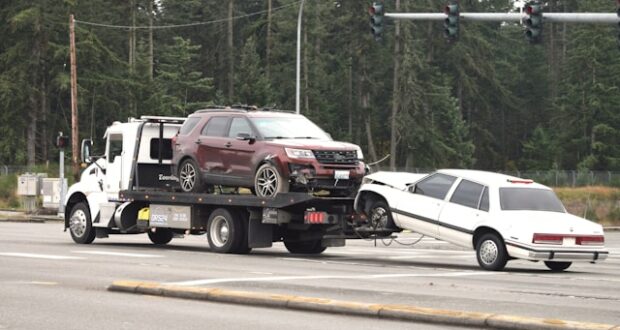
Most vehicle accidents involve two or more drivers traveling under fairly ordinary conditions. Tow truck collisions, however, often happen in situations that are already unpredictable. Disabled vehicles, roadside emergencies, and heavy traffic can create circumstances that make these crashes more complicated than a typical accident.
Unlike many other commercial vehicles, tow trucks regularly operate on busy highways, narrow shoulders, parking lots, and accident scenes. They may be loading damaged vehicles, assisting stranded motorists, or transporting cars when a collision occurs. Each of these situations presents unique challenges that can affect both the investigation and the legal issues that follow.
Looking more closely at how a tow truck operates helps explain why these accidents often require careful evaluation. The specific circumstances surrounding each collision can make determining exactly what happened far more complex than it first appears.
The Unique Role of Tow Trucks
Tow trucks perform a wide range of services that go beyond simply moving disabled vehicles. They respond to roadside emergencies, recover wrecked cars, remove abandoned vehicles, and transport automobiles safely from one location to another. Their work often takes place in environments where traffic continues moving nearby.
Because these vehicles regularly stop along highways and busy streets, operators frequently work only a short distance from passing traffic. Loading and securing vehicles requires attention to both the disabled vehicle and the surrounding roadway at the same time.
The variety of locations where tow trucks operate creates situations that differ significantly from normal driving conditions. Every recovery scene presents its own combination of traffic, visibility, and safety challenges.

Image Courtesy of Pexels
Several Factors Can Increase Collision Risks
Tow truck operators often perform their jobs under difficult circumstances. Limited shoulder space, poor lighting, heavy traffic, and changing weather conditions can all increase the risk of a collision while a vehicle is being recovered or transported.
Visibility is another important concern. Drivers approaching a stopped tow truck may not immediately recognize what is happening ahead, particularly at night or around curves. Although warning lights help improve visibility, they cannot eliminate every hazard.
Equipment also plays an important role. Winches, lift systems, safety chains, and loading mechanisms must function properly to safely recover and transport vehicles. Mechanical problems or improperly secured loads may contribute to dangerous situations on the road.
Determining Responsibility Isn’t Always Simple
Responsibility in a tow truck collision may involve more than the tow truck operator alone. Depending on the circumstances, another driver, the towing company, a vehicle owner, or even a maintenance provider could become part of the investigation.
Investigators often examine how the collision occurred, where the tow truck was positioned, whether warning equipment was used appropriately, and whether all applicable safety procedures were followed. These details can significantly affect how responsibility is evaluated.
Because several parties may be involved, determining liability sometimes requires a more detailed investigation than a typical passenger vehicle accident. Every piece of available evidence helps create a clearer picture of what happened.
Preserving Evidence Can Be Important
Collecting evidence as soon as possible after a collision helps document the conditions that existed at the scene. Photographs of the vehicles, roadway, traffic signs, weather conditions, and any visible damage may all become valuable during the investigation.
Witness statements can also provide important information, particularly when several vehicles or multiple drivers are involved. Inspection reports, towing records, maintenance documents, and official accident reports may offer additional insight into the events leading up to the collision.
The more information that is preserved early, the easier it may be to evaluate the circumstances accurately. Careful documentation helps ensure important details are not lost as time passes.
Conclusion
Tow truck collisions often involve unique circumstances that make them more complex than many other traffic accidents. Roadside recoveries, disabled vehicles, heavy traffic, and specialized equipment all contribute to situations that require careful evaluation.
Every collision presents its own set of facts, and determining responsibility may involve reviewing evidence from several different sources. A thorough investigation helps explain how the accident occurred and whether multiple factors contributed to the outcome.
Because no two tow truck accidents are exactly alike, each case should be evaluated on its own circumstances. Careful documentation and a complete review of the available evidence provide the strongest foundation for understanding what happened and what steps may follow.