KHTS Radio Santa Clarita Radio – Santa Clarita News

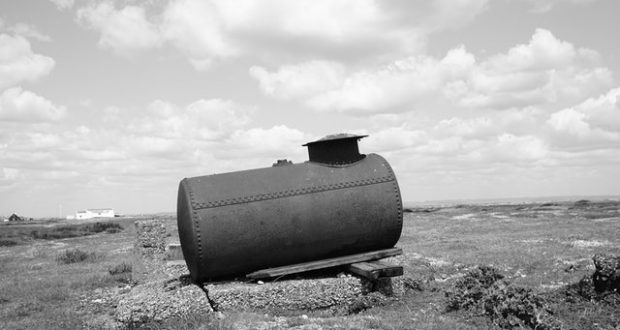
When you have a home built from 1975 to the 1980s, surely you have an old underground oil tank sitting in your backyard somewhere. If the storage tank is presumed to be inactive, it would be a good idea to spend some money removing it. And even if you are still using it, sooner or later the integrity of the tank would degrade and it could wreak havoc for you and your family.
However, removing an underground oil tank is not an easy feat. It has to be done by professionals who have the knowledge and experience to do so.
But how do professional underground oil tank removal companies handle such a delicate undertaking? Please read on.
Meet The Underground Oil Tank Removal Team
Every UST (underground storage tank) removal company has its competent set of experts that handle the task. The UST removal team is made up of engineers, geologists, excavators, and hygienists. All have special licenses duly awarded by the state after a series of rigorous exams and certifications. To ensure the health and safety of everybody as well as give protection to the home itself and other systems and utilities underground, all personnel must be certified and abide by the standards set forth by OSHA Hazardous Waste Operations and Emergency Response Standard (HAZWOPER). This is how skilled underground oil tank removal teams are. They can surely do the job for you.
What’s the Procedure in Removing Underground Oil Tanks?
Removing an underground oil tank undergoes preliminary, project execution & post-work phases. Every step of these stages has full oversight of the appropriate agencies to ensure that you can still do the landscaping for your backyard.
Preliminary Stages
Local and State Permits Application and Issuance
The team will have to apply the necessary permits to obtain the sign off of the appropriate state and local agencies that have oversight on the job at hand. It includes local city building departments, local county public works departments, and state environmental protection agencies. According to professionals in simpletankservices.com, the application and issuance duration would vary depending on how many agencies and departments would need to give their approval stamps on the removal of your underground tank. This varies from every state. So it’s recommended that you hire a company that has a license to work in your state and has had experience removing USTs in the vicinity of your area.
Fieldwork, Inspections, Site-Specific Soil Management and Health and Safety Plans
During the permit applications, the concerned entity for issuing the permits each need to inspect the site itself before giving their green light on the works. Immediately after all the permits have been dealt with, the UST company will start doing their fieldwork activities. Necessary laying out of the coordinates of the excavation, soil excavation management plans, and construction health and safety plans will be furnished and coordinated in the project schedule.
Project Start Notification
After all, the permits and necessary fieldwork and management plans have been accomplished, the project needs to give the oversight and environmental agencies a 48 to 72-hour notification that the project will begin. Failure to do so will have serious penalties on the job, the contractor, and the homeowner.
Project Execution Stage
Liquid Extraction
After all the necessary preliminary works, the UST removal team will now start its job of removing your underground oil tank. The leftover oil in the tank will need to be siphoned out to ensure that the process of removing your tank will be safe. Oils and other heating sources are considered flammable and dangerous, thus it is necessary to extract them first before any excavation happens. Technicians will usually use the fill ports as an entry point to suction the remaining oil and transfer it to a tanker truck for disposal at an off-site recycling facility.
Oil Tank Inerting
Inerting is a process of introducing inert (non-combustible) gas into the tank to reduce its oxygen and render the tank non-ignitable. Usually, carbon dioxide in the form of dry ice or nitrogen is used to execute this process.
Excavation
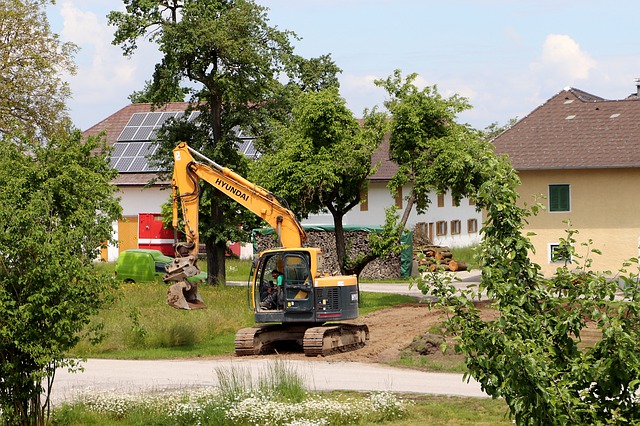
After the tank has been certified safe, the team will now excavate around it and establish sturdy and OSHA approved trenches, and set up lateral supports to adjacent and nearby structures. A well-prepared shoring plan by a competent geotechnical engineer will be used to make sure that the supports are placed accordingly and steadily.
UST Removal and Waste Disposal
Before the removal process occurs, the environmental consultant for the project will obtain an EPA waste generation identification number and the contractor will need to facilitate the waste transport manifests and disposal profiles to begin the extraction of the waste and the tank.
AQMD Rule 1166
Rule 1166 of the Air Quality Management District requires any project that includes extraction of USTs to notify the agency of the amounts of VOCs (Volatile Organic Compounds) in the Soil.
To do this, following the extraction of the tank, a geologist will gather soil samples from the area where the tank has been and send them for laboratory testing. Also, if the area is near a groundwater table, groundwater contamination testing will be done. The results will be reflected in the final environmental site assessment report for UST abandonment.
Backfilling and Compaction
Upon completion of the removal of your underground oil tank, disposal of soil waste, and performing the necessary contamination testing, backfilling activities will commence with the direction of a professional geologist. Compaction of the backfill needs to comply with the local grading regulations.
Post Work Phases
Final Report
The contractor will then have to complete all the necessary certifications, testing data and results, fieldwork procedures, and any remedial efforts that have been done. Additionally, the report needs to provide proper permitting, waste classification, and legal disposal.
Final Case Closure and “No Further Action” Letter
After the submission of the final Underground Storage Tank Abandonment Report, all agencies will need to review it and provide comments and feedback. All of these need to be complied with to obtain the final case closure and the “No Further Action” letter from these various agencies.
As you can see, a professional underground oil tank removal company is being strictly regulated and needs to be compliant with all the requisites of the oversight agencies to ensure that everything is done safely and properly.
Sponsored Articles
KHTS FM 98.1 and AM 1220 is Santa Clarita’s only local radio station. KHTS mixes in a combination of news, traffic, sports, and features along with your favorite adult contemporary hits. Santa Clarita news and features are delivered throughout the day over our airwaves, on our website and through a variety of social media platforms. Our KHTS national award-winning daily news briefs are now read daily by 34,000+ residents. A vibrant member of the Santa Clarita community, the KHTS broadcast signal reaches all of the Santa Clarita Valley and parts of the high desert communities located in the Antelope Valley. The station streams its talk shows over the web, reaching a potentially worldwide audience. Follow @KHTSRadio on Facebook, Twitter, and Instagram.