KHTS Radio Santa Clarita Radio – Santa Clarita News

There are a lot of hazards on the roadways. For example, there are people who speed, unexpected obstacles, and then situations such as drunk-driving, including truck drivers who are under the influence when they get behind the wheel.
When you’re driving, you have to contend with all of the potential hazards, and if you want to take your pet along with you for the ride, it can make things even more challenging.
It’s so important that you take the necessary steps to keep yourself but also your pet safe when you’re in the car.
The Risks of Driving with a Pet
Many times, people will think they can just put their pet on their lap and then hit the road, and this is a bad decision.
One of the biggest risks of driving with your pet is the likelihood doing so will contribute to distracted driving.
Data that was pulled together by AAA and Kurgo, which is a maker of pet travel products, found that 56% of the people surveyed said they’d driven with their dog in the car at least once a month. Of those, 52% said they’d taken their attention off the road to pet their dog.
Almost one-fourth of the surveyed people said they’d used their arms or hands to hold their dog when they came to a stop.
Many drivers say they’ve reached into backseats to pet their dogs, fed them treats while they’re driving, and even taken pictures of themselves with their dogs while they’re behind the wheel.
All of these things paint a concerning picture of the safety of driving with your pet.
Additionally, drivers with pets who are unrestrained can pose a risk not just to other people on the road, but the pet too. Only around 16% of people who drive with their dogs say they regularly use a restraint system.
If you were to get into an accident and even if your dog were in the backseat, they could become a projectile if you had to make an emergency stop. The heavier your dog, the greater the risk.
There are ways that you can travel with your pet but also keep them, you, and other people on the roadways safer.
Use a Restraint System
The number one recommendation is that you use a restraint system, whether you’re taking a long car trip or a short one. If you’re going to take a long trip, you need to focus on comfort as much as the safety of the restraint trip.
When you are choosing a restraint system, there aren’t performance standards or crash test results you can look to like you can with child safety seats, so you really just have to rely on what the manufacturer says.
You need to choose a restraint system well suited to your dog’s size, weight, and shape.
There are different types of restraint systems, as well. For example, this can mean a harness, but it can also mean a crate or carrier.
If you use a crate or carrier, you will typically need to put it on the floor behind the front seat and avoid buckling it with seatbelts.
The American Red Cross advises putting your pet in a secure carrier not just as a way to protect them quick stops, but also to protect you from distractions. The crate you choose should be big enough for your pet to turn around in, lie down, and stand.
According to the Center for Pet Safety, while being restrained at all is better than nothing, plastic crates tend to be the worst option. The plastic can splinter if you’re in an accident, meaning sharp pieces.
Harnesses tend to rank well because they distribute force if there’s an accident. A harness will attach at three different places to the seat belt.
Other Tips When You’re Traveling with Your Pet
Beyond that, there are other tips to keep in mind if you’re traveling with your pet, including:
- If you’re going to be taking a long road trip, it’s best to take your pet on a few short trips first to get them ready to spend time in the car. You should start with a short trip and then gradually work your way up from there.
- Don’t ever feed your pet when you’re moving, even if you’re on a long trip. Instead, give your pet a light meal around three to four hours before you leave, and then when you stop for a break, you can give them something else to eat.
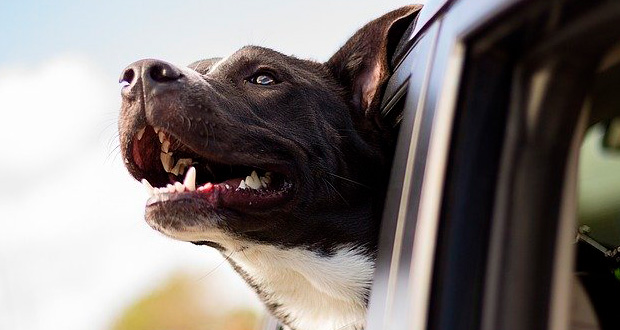
- While your pet should be secured and this shouldn’t be an issue, you shouldn’t let your pets stick their head out the window. It can cause them to become injured if they’re hit by debris, and your pet can get sick if they’re having cold air pushed into their lungs.
- If your pet struggles with motion sickness in the car, there are natural and herbal remedies you might be able to try. There are options to soothe their stomach and also calm them down if they feel anxious.
- Don’t let your pet ride in the flatbed of a truck. First, it can be deadly for your pet if they jump out. The second reason is that in some states, it may be the law that you restrain your dog.
- If you’re going to be traveling with your pet, you might make sure they’ve been microchipped in case they get lost and especially in an unfamiliar place.
Finally, no matter where you’re going or what you’re doing, don’t ever leave your pet alone in the car. The ASPCA says that you should always be with your pet in the car.
Many pet-lovers enjoy taking their four-legged friends out and about with them but protect your pet’s safety and other people’s safety with the above tips. Get your pet prepared for road trips and always restrain them to avoid distractions and accidents.
Sponsored Articles
KHTS FM 98.1 and AM 1220 is Santa Clarita’s only local radio station. KHTS mixes in a combination of news, traffic, sports, and features along with your favorite adult contemporary hits. Santa Clarita news and features are delivered throughout the day over our airwaves, on our website and through a variety of social media platforms. Our KHTS national award-winning daily news briefs are now read daily by 34,000+ residents. A vibrant member of the Santa Clarita community, the KHTS broadcast signal reaches all of the Santa Clarita Valley and parts of the high desert communities located in the Antelope Valley. The station streams its talk shows over the web, reaching a potentially worldwide audience. Follow @KHTSRadio on Facebook, Twitter, and Instagram.