KHTS Radio Santa Clarita Radio – Santa Clarita News

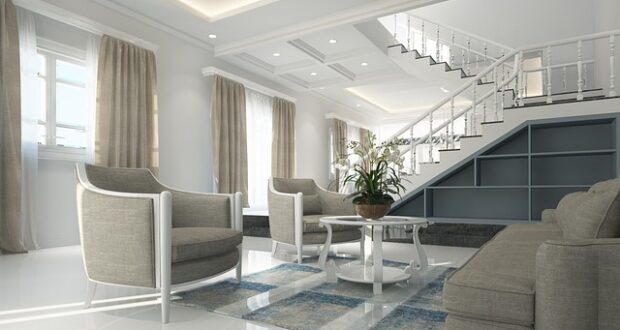
Upgrading a property in 2025 requires a strategic approach that balances style, function, and return on investment. The most effective improvements focus on modernizing key spaces, increasing efficiency, and enhancing overall appeal to potential buyers. With the right updates, a home can stand out in a competitive market while offering long-term value.
From smart home technology to well-planned outdoor spaces, today’s top projects go beyond cosmetic changes. They address how people live, work, and relax at home, making each upgrade both practical and attractive. In order to prepare for improvements, obtain a site plan for a building permit.
Sustainability, space optimization, and curb appeal now play a bigger role than ever. By combining these elements with high-quality finishes and thoughtful design, homeowners can create a property that feels current, functional, and ready for the future.
Smart Renovations to Maximize Property Value
Targeted upgrades in high-use areas can make a property more functional, attractive, and competitive in the market. Improvements that align with modern design preferences and practical needs tend to offer the best return on investment.
#1 Kitchen Upgrades for Modern Appeal
Buyers often focus on the kitchen first, making it a priority for value-driven renovations. Replacing worn countertops with quartz or granite creates a durable and visually appealing surface. Updating cabinetry with soft-close hinges and modern hardware improves both function and style.
Energy-efficient appliances, especially those with Energy Star ratings, reduce utility costs and appeal to eco-conscious buyers. Neutral color palettes—such as white, light gray, or natural wood tones—help the space feel larger and more adaptable to different tastes.
Adding under-cabinet lighting improves visibility and enhances the kitchen’s ambiance. Where possible, expanding counter space with an island or breakfast bar increases usability. These changes can make the kitchen feel current without requiring a full remodel.
#2 Bathroom Remodeling Trends
Bathrooms benefit from upgrades that balance comfort with efficiency. Installing water-saving fixtures such as low-flow toilets and aerated faucets reduces water use and operating costs. Walk-in showers with frameless glass doors are increasingly preferred over traditional tubs in many markets.
Large-format tiles in neutral tones create a clean, modern look while reducing grout lines for easier maintenance. Heated flooring can add comfort in colder climates and is often viewed as a premium feature.
Good lighting is essential—layered options with task, ambient, and accent lighting improve functionality. Storage solutions like recessed shelves or built-in cabinetry help keep the space organized without sacrificing floor area.
#3 Open Floor Plan Transformations
Removing non-load-bearing walls can create a more open and flexible layout. This change improves natural light flow and makes living areas feel larger. It also allows for better interaction between kitchen, dining, and living spaces.
Before starting, it is important to confirm structural feasibility and plan for necessary electrical or HVAC adjustments. Using consistent flooring across connected spaces enhances visual continuity.
Where full wall removal is not possible, creating wide pass-throughs or installing glass partitions can achieve a similar effect. These updates can make older homes feel more aligned with current buyer expectations for open, connected spaces.
Innovative Space Utilization Ideas
Maximizing underused areas can increase livable square footage and improve functionality without expanding a home’s footprint. Strategic conversions often add value by creating spaces that meet current lifestyle needs while complying with local building codes.
#4 Attic and Basement Conversions
An attic can often be converted into a bedroom, office, or studio if it meets ceiling height and structural requirements. Proper insulation and ventilation are essential to maintain comfort and energy efficiency.
Basements can serve as entertainment rooms, guest suites, or rental units. Moisture control is critical—waterproofing and sump pump installation can protect the space from damage.
Key considerations:
- Adequate natural or artificial lighting
- Safe access via code-compliant stairs
- Heating, cooling, and egress windows for habitable rooms
#5 Garage Conversion Strategies
A garage can be transformed into a living area, gym, or workshop while retaining storage through built-in shelving or overhead racks. Seattle garage conversion experts often address zoning rules and parking requirements before work begins.
Homeowners should check if plumbing, electrical, or insulation upgrades are needed. Maintaining some storage capacity can help preserve functionality.
#6 Home Office Integration
With more people working remotely, a dedicated home office can improve productivity and property appeal. Converting a spare room, alcove, or section of a larger space can be cost-effective.
Built-in desks, ergonomic seating, and adequate lighting create a functional work environment. Soundproofing may be necessary in busy households.
For small homes, integrating a fold-down desk or wall-mounted workspace in a living room or bedroom can save space. Proper cable management and storage help maintain an uncluttered look.
Sustainable and Energy-Efficient Improvements
Upgrading a property with sustainable features can reduce utility costs, improve comfort, and appeal to environmentally conscious buyers. Strategic use of durable materials, efficient systems, and advanced technology can also extend the lifespan of home components and lower long-term maintenance needs.
#7 Eco-Friendly Materials and Finishes
Using sustainable building materials helps reduce environmental impact while maintaining quality and style. Homeowners often choose reclaimed wood, bamboo flooring, and recycled metal for their durability and lower resource consumption.
Low-VOC (volatile organic compound) paints and finishes improve indoor air quality and meet modern health standards. These options release fewer chemicals into the air, which can be beneficial for households with children or allergy-sensitive individuals.
For kitchens and bathrooms, recycled glass or composite countertops offer a long-lasting alternative to natural stone. They resist stains and scratches while using materials that would otherwise go to waste.
When selecting materials, durability is as important as sustainability. Products that last longer reduce the need for replacements, lowering both costs and environmental impact over time.
#8 Smart Home Technology Integration
Smart home systems can enhance energy efficiency through automation and real-time monitoring. Devices such as smart thermostats adjust heating and cooling based on occupancy patterns, reducing unnecessary energy use.
Lighting control systems with motion sensors or scheduling features ensure lights are only on when needed. Paired with LED bulbs, this can significantly reduce electricity consumption.
Energy monitoring tools provide detailed usage data, helping homeowners identify inefficiencies. Some systems integrate with renewable energy sources, such as solar panels, to optimize when and how energy is stored and used.
Security and appliance controls can also be managed remotely, allowing adjustments while away from home. This level of control supports both convenience and resource conservation.