KHTS Radio Santa Clarita Radio – Santa Clarita News

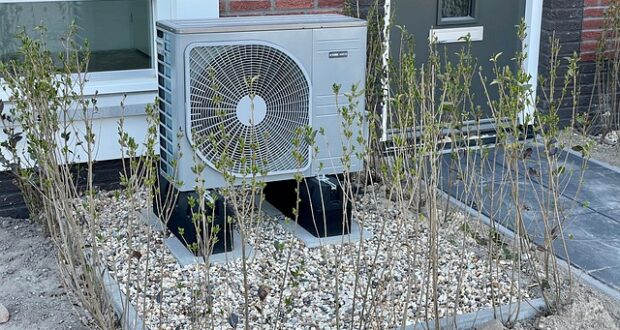
Optimizing HVAC systems in southern climates requires a focus on managing high temperatures and humidity while minimizing energy waste. The key to energy efficiency lies in selecting the right equipment, maintaining proper insulation, and implementing smart control strategies tailored to the region’s unique demands.
Southern homes and businesses often face longer cooling seasons, which can drive up energy costs without careful system management. Adjusting settings and investing in efficient technology not only reduces bills but also extends the lifespan of HVAC units.
Understanding HVAC Systems in Southern Climates
Southern climates require HVAC systems that address intense heat, high humidity, and prolonged cooling demands. Equipment needs to withstand these factors while maintaining efficiency.
Climate-Specific HVAC Challenges
Southern climates typically feature long, hot summers with temperatures frequently above 90°F (32°C). The extended cooling periods put consistent stress on HVAC systems, increasing wear and energy consumption.
High outdoor temperatures reduce the efficiency of air conditioners by raising the condenser’s working pressure. This leads to higher electricity usage and potential system strain.
Another challenge is frequent power outages due to summertime storms, which can disrupt HVAC operation and damage sensitive components. Systems must be resilient and designed for easy maintenance under such conditions.
Common HVAC System Types
Split systems dominate Southern homes, pairing an outdoor condenser with an indoor air handler. These are popular due to their relative efficiency and ability to handle large cooling loads.
Heat pumps are another option, favored for their ability to provide cooling and heating, though their efficiency decreases as outdoor temperatures exceed the mid-90s Fahrenheit.
Packaged units, which combine heating and cooling components in a single outdoor cabinet, are often used in commercial buildings or smaller residences where space constraints exist.
Impact of Humidity and Heat
High humidity in Southern climates forces HVAC systems to work harder to remove moisture from indoor air. This dehumidification is crucial for comfort and preventing mold growth.
If humidity control is inadequate, occupants may feel uncomfortable even at lower temperatures due to dampness. Systems with variable-speed fans and dedicated dehumidification cycles offer better control.
Core Strategies for Enhancing Energy Efficiency
Efficient HVAC performance in southern climates depends on precise system design, control technology, and airflow management. Attention to these areas minimizes energy waste and extends equipment lifespan.
Proper Sizing and Selection
Choosing the correct HVAC capacity is critical. Oversized systems cool quickly but cycle frequently, wasting energy and increasing wear. Undersized units run constantly, failing to maintain set temperatures and driving up electricity consumption.
Load calculations based on local climate, building insulation, and occupancy guide proper sizing. An HVAC company in Augusta, GA will consider these variables to recommend equipment optimized for hot, humid conditions.
Selecting high-efficiency units with appropriate SEER (Seasonal Energy Efficiency Ratio) ratings further cuts energy costs. In southern regions, equipment designed to handle elevated heat loads without strain ensures steady performance.
Smart Thermostat Integration
Smart thermostats offer precise temperature control and scheduling, adapting to occupant patterns and weather changes. This reduces unnecessary cooling during peak heat hours or when spaces are unoccupied.
Features like remote access enable users to adjust settings on the go, improving convenience and energy savings. Smart sensors can also detect humidity and adjust system operation accordingly—important in southern climates where moisture affects comfort.
Integration with existing HVAC setups requires professional configuration. An experienced HVAC company in Augusta, GA can ensure compatibility and optimize smart controls for maximum efficiency.
Advanced Technologies and Techniques
Energy efficiency in southern HVAC systems improves significantly with specific innovations and design strategies.
High-Efficiency HVAC Equipment
High-efficiency equipment uses advanced compressor technology and optimized heat exchangers to reduce energy use. Units with a SEER (Seasonal Energy Efficiency Ratio) rating of 16 or higher are recommended for southern climates due to their ability to handle intense cooling loads efficiently.
Equipment with Energy Star certification meets strict energy-saving criteria and helps lower utility bills. Modern units also incorporate smart thermostats and sensors that adjust cooling based on occupancy and outdoor conditions. These features prevent unnecessary operation, improving durability and cost-effectiveness.
Zoning Systems
Zoning divides a building into multiple areas, each controlled independently via dampers and thermostats. This technique prevents overcooling unused spaces, saving energy while improving comfort tailored to specific areas.
By targeting cooling where and when it is needed, zoning reduces overall system runtime. Advanced zoning setups often integrate with smart home systems for remote control and scheduling, which is practical in homes with varying occupancy patterns.
Variable Speed Compressors
Variable speed compressors adjust their speed according to the cooling demand instead of cycling fully on or off. This modulation reduces energy spikes and maintains consistent temperature and humidity levels.
Systems with variable speed compressors can lower energy use by 30-50% compared to single-speed units. They offer quieter operation and better moisture control, which is crucial for southern climates with high humidity. These compressors extend equipment lifespan by reducing wear from frequent start-stop cycles.
Working With Local HVAC Experts
Choosing the right HVAC experts ensures the system is optimized for Southern climate demands. Professional installation reduces system inefficiencies and prevents costly errors.
Selecting the Right Service Provider
An HVAC company in Augusta, GA should have experience with Southern climate challenges like humidity and high temperatures. Look for technicians certified by organizations such as NATE (North American Technician Excellence).
Verify the company’s reputation through reviews and references. Clear communication about pricing, maintenance plans, and warranties is essential. A provider offering energy audits and custom recommendations demonstrates a deeper understanding of efficiency needs.
Local experts know which equipment brands perform best in the region, and they tailor solutions to budget and home specifics.
Benefits of Professional Installation
Proper installation directly impacts energy efficiency and system longevity. Professionals ensure correct sizing, duct sealing, and refrigerant charge according to manufacturer specifications and local regulations.
Incorrect setup can cause uneven cooling, increased energy use, and early equipment failure. A trained technician can identify and resolve issues like duct leakage or improper airflow that reduce performance. Using an HVAC company in Augusta, GA ensures familiarity with local building codes and climate-related requirements.