KHTS Radio Santa Clarita Radio – Santa Clarita News

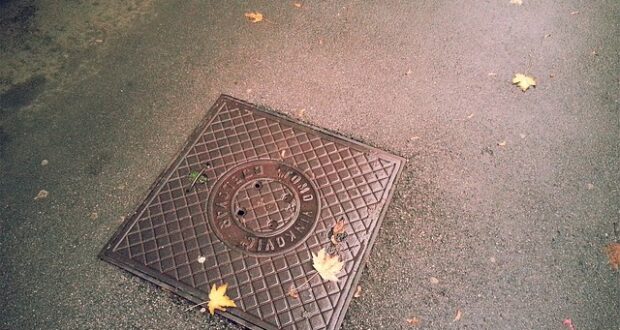
Across the United States, communities are facing a quiet but growing challenge beneath their streets and homes: aging sewer infrastructure. Many sewer systems were installed decades ago, long before current population levels, water usage patterns, and environmental stresses were fully understood.
As these systems reach the end of their expected lifespan, cities, homeowners, and businesses alike are seeing an increase in sewer-related issues that affect public health, property values, and daily life.
While sewer failures often make headlines only when there is a major spill or street collapse, smaller issues such as recurring backups, slow drainage, and deteriorating pipes are becoming more common in residential neighborhoods and commercial districts. Infrastructure experts warn that without proactive planning and maintenance, these problems are likely to accelerate in the coming years.
Why Sewer Systems Are Failing More Frequently
One of the main drivers behind rising sewer issues is age. Many sewer lines across the country were installed 50 to 100 years ago using materials such as clay, cast iron, or early concrete. While durable for their time, these materials naturally degrade due to soil movement, corrosion, root intrusion, and shifting ground conditions.
Climate factors are also playing a role. Heavier rain events place additional strain on sewer systems, increasing the likelihood of overflows and backups. In some areas, older sewer systems were never designed to handle today’s stormwater volumes, leading to failures that impact both public infrastructure and private property.
In addition, urban development has intensified usage demands. More buildings, higher occupancy, and increased water consumption place stress on pipes that were designed for far smaller populations.
The Impact on Homeowners and Local Businesses
For homeowners, sewer problems can quickly become costly and disruptive. A damaged sewer line may lead to unpleasant odors, sewage backups, foundation issues, or contaminated soil.
Repairs often require excavation, temporary displacement, or coordination with municipal agencies, all of which can add to the burden. Local businesses face even greater risks. Sewer disruptions can shut down restaurants, retail locations, and healthcare facilities, leading to lost revenue and potential health code violations.
For property managers and business owners, maintaining reliable sewer systems is essential not just for convenience, but for safety and compliance. These challenges have pushed many property owners to seek out more proactive approaches to sewer maintenance rather than relying on emergency repairs alone.
A Shift Toward Proactive Infrastructure Care
Across the plumbing and infrastructure services industry, there is a noticeable shift toward preventative strategies. Modern diagnostic tools now allow professionals to assess sewer conditions without unnecessary excavation. Early detection of cracks, blockages, or structural weaknesses enables repairs to be scheduled before a full failure occurs.
Companies like Bizzy Bee Plumbing, which serves residential and commercial clients in the southeastern United States, have seen firsthand how proactive sewer assessments can reduce long-term costs and disruption.
Industry professionals note that routine inspections and timely upgrades often save property owners from far more expensive emergency situations down the road. While service providers vary by region, the overall trend is clear: communities that prioritize preventive maintenance tend to experience fewer large-scale sewer emergencies.
Environmental and Public Health Considerations
Beyond inconvenience and cost, failing sewer infrastructure poses environmental and public health risks. Leaking sewer lines can contaminate groundwater, affect nearby waterways, and contribute to unsanitary conditions that threaten community health.
Municipalities nationwide are increasingly focused on reducing these risks through infrastructure investment, stricter inspection standards, and public awareness campaigns. Encouraging homeowners and businesses to take responsibility for privately owned sewer laterals is becoming a key part of these efforts.
Public agencies emphasize that sewer maintenance is a shared responsibility. While cities manage main sewer lines, property owners are often responsible for the pipes that connect their buildings to the public system.
Community Awareness and Long-Term Planning
Local news outlets and community organizations play an important role in educating residents about infrastructure challenges. By raising awareness of warning signs such as recurring drain issues, unexplained wet areas in yards, or persistent odors, communities can address problems earlier and reduce overall impact.
Experts recommend that homeowners familiarize themselves with the age and material of their sewer lines and seek professional evaluation if their property is several decades old. For communities with older housing stock, proactive sewer care is increasingly viewed as an investment in neighborhood stability and property value.
Looking Ahead
As infrastructure across the country continues to age, sewer systems will remain a critical focus for communities large and small. The combination of aging materials, environmental stress, and increased demand means that proactive planning is no longer optional.
By staying informed, supporting responsible infrastructure management, and addressing issues early, communities can reduce disruptions and protect both public health and private property. While sewer systems may be out of sight, their impact on daily life makes them an issue worth paying attention to, both today and in the years ahead.