KHTS Radio Santa Clarita Radio – Santa Clarita News

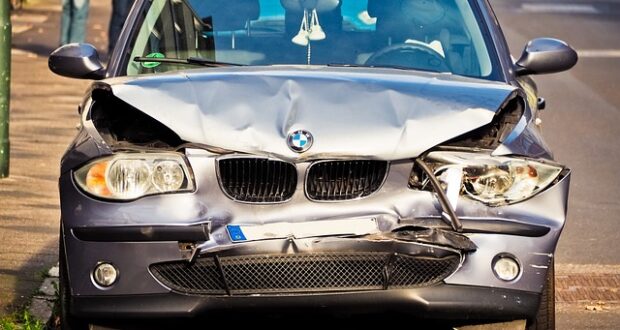
Car accidents are a harsh reality in many growing cities, including Dallas. The busy urban setting, with its maze of roads and highways, makes managing traffic a challenge. This challenge, combined with a mix of driving styles, increases the risk of accidents. Knowing the causes of these incidents is key to improving road safety. On top of that, the legal aftermath of car accidents can be overwhelming, often impacting those involved long after the crash. This issue is important for both road safety and understanding the often complicated legal processes that follow.
Looking at car accidents in Dallas reveals specific causes like distracted driving, speeding, and environmental factors. Understanding the legal side of these incidents shows their wider effects on drivers and the community. Exploring how responsibility and accountability are determined helps clarify these issues. The focus here will cover the causes and legal outcomes, showing how each aspect connects to everyday driving and the legal system. Seeking guidance from experienced Dallas car accident attorneys can help manage these difficulties and ensure the best possible outcomes.
Distracted Driving: A Persistent Threat
In Dallas, distracted driving is a serious danger on the roads, made worse by the widespread use of smartphones and in-car technology. Drivers often split their attention between the road and their devices, whether checking a text, adjusting infotainment screens, or scrolling through social media. This distraction slows reaction times, leads to poor decisions, and causes many avoidable accidents.
Dallas laws require drivers to stay focused and impose penalties for violations, including fines, higher insurance rates, and even criminal charges in severe cases involving injuries. Beyond legal consequences, there’s a social responsibility for drivers to prioritize safety over convenience. Addressing this issue is key to making the roads safer for everyone.
Speeding: The Dangers of Excessive Velocity
Speeding isn’t just a minor offense—it puts everyone on the road at risk by increasing both the likelihood and severity of accidents. Driving too fast reduces reaction time, making it harder to avoid unexpected dangers. Crashes at high speeds are often more devastating, leading to serious injuries or even death.
To combat this, strict laws are in place, with penalties like fines and points on a license for those caught speeding. In severe cases, especially when speeding causes injury or death, drivers may face criminal charges. These measures aren’t just about punishment—they’re a reminder of the importance of safe driving to protect everyone on the road.
Driving Under the Influence: A Grave Breach of Law
Driving under the influence (DUI) is a serious threat to road safety, endangering everyone on the road. When drivers operate vehicles under the influence of alcohol or drugs, their ability to make good decisions, react quickly, and stay in control is significantly reduced. Cities like Dallas enforce strict DUI laws to prevent this dangerous behavior. Offenders can face heavy fines, loss of driving privileges, and even criminal charges, especially if their actions cause injury or death.
These laws go beyond legal formalities—they aim to address the broader harm caused by impaired driving. Some believe strict penalties are essential to keep communities safe, while others advocate for preventive efforts like education and awareness campaigns to address the root causes.
Weather and Road Conditions: Natural and Infrastructural Challenges
Dallas’s unpredictable weather creates challenges for drivers, with sudden storms and slippery roads often causing accidents and traffic issues. These conditions can quickly turn a routine drive into a dangerous situation, with limited visibility and reduced traction. Drivers are expected to stay cautious and adjust their behavior to stay safe. However, responsibility doesn’t fall entirely on them.
Poor road maintenance can worsen weather-related dangers, making government or infrastructure agencies partly accountable. These agencies have a duty to keep roads safe, especially during bad weather. Determining who is liable in such accidents requires understanding both driver responsibilities and the role of infrastructure in maintaining safety.
Failure to Obey Traffic Signals: Ignoring the Rules
Ignoring traffic signals, like stoplights and signs, often leads to serious accidents with potentially devastating consequences. This kind of impatience or carelessness isn’t just bad driving—it’s a clear failure to follow basic safety rules, putting everyone at risk. Legally, such actions are considered negligence, as drivers are expected to obey the rules of the road.
If an accident happens, the driver responsible could face significant fines and be held liable for damages to vehicles, property, or people involved. These consequences serve not only as penalties but also as reminders of the importance of safe and responsible driving.
Addressing the causes and legal implications of car accidents in Dallas is essential for fostering safer roads and informed communities. From distracted driving and speeding to DUIs and weather challenges, each factor highlights the need for personal responsibility and systemic support. By understanding these issues and the legal frameworks surrounding them, drivers can better handle both the risks and repercussions of accidents. Promoting awareness, education, and accountability is key to reducing accidents and ensuring that Dallas’s roads become safer for all who travel them.