KHTS Radio Santa Clarita Radio – Santa Clarita News

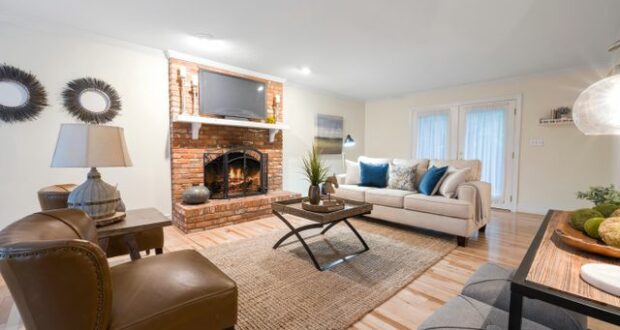
Moving into a new home is an exciting experience. Once the boxes start coming inside and the furniture arrives, it is tempting to place everything wherever it fits and deal with the details later. However, taking a little extra time to plan your living room can make a big difference in how comfortable and practical your home feels every day.
For homeowners in Dallas, settling into a new property often comes with the challenge of turning an empty room into a welcoming space that supports family life, relaxation, and entertaining guests. Since the living room is usually one of the most frequently used areas in the home, it deserves careful attention from the start. A functional living room is not just about appearance. It is about creating a space that works well for your daily routine while still reflecting your personal style.
Start With a Plan Before Arranging Furniture
One of the biggest mistakes people make after moving is placing furniture without first evaluating the room. Before bringing everything into position, take a close look at the available space and think about how you want the room to function.
Start by measuring the room and identifying important features such as large windows, built-in shelving, fireplaces, or entertainment centers. These elements often become natural focal points that influence the layout.
Organization during the moving process can also make a significant difference. Many homeowners find that working with a professional Dallas moving company helps simplify the setup process because furniture and boxes are often labeled according to specific rooms, making it easier to create an organized living space from day one.
Identify the Main Purpose of the Living Room
Before selecting furniture or decorating, think about how your household will actually use the living room. Every family has different needs, and those needs should guide your design decisions.
Some households use the living room primarily for watching television and relaxing in the evening. Others may use it as a gathering place for entertaining guests, playing games, reading, or spending time together as a family.
Understanding the room’s primary purpose helps determine everything from furniture selection to layout. For example, a room designed for conversation may feature seating arranged around a coffee table, while a room centered on entertainment may focus on creating clear views of the television.
Create a Comfortable Furniture Layout
Furniture placement is one of the most important aspects of living room design. Even beautiful furniture can feel awkward if it is arranged poorly.
Begin with the largest pieces, such as sofas and sectionals. Position them in a way that encourages comfortable interaction while maintaining clear walking paths throughout the room.
Avoid pushing every piece of furniture against the walls unless the room is very small. Bringing seating slightly inward often creates a more inviting atmosphere and improves conversation flow.
Leave enough space between furniture pieces so people can move around comfortably. A crowded room can quickly feel stressful and difficult to navigate.
Make the Most of Natural Light
Natural light plays a major role in how a living room feels throughout the day. A bright room often appears more spacious, welcoming, and comfortable.
Pay attention to window placement when arranging furniture. Avoid placing large items directly in front of windows whenever possible. This allows sunlight to fill the room and helps maintain an open feel.
Light-colored furniture, mirrors, and reflective surfaces can also help maximize available light. If privacy is a concern, choose window treatments that allow sunlight to enter while still providing coverage when needed.
Choose Decor That Supports Everyday Living
Decorative elements help personalize a living room, but they should also support the way the space is used.
Start with foundational pieces such as rugs, curtains, and lighting. These items help define the room while adding warmth and comfort.
Artwork, throw pillows, and decorative accessories can then be layered into the design. Instead of filling every surface, focus on selecting pieces that have meaning or serve a purpose.
A balanced approach often creates a more comfortable environment than a room filled with excessive decorations.
Add Smart Storage Solutions
Storage is often overlooked during the design process, but it plays a major role in maintaining an organized living room.
After moving into a new home, many families discover that everyday items quickly accumulate in shared spaces. Remote controls, blankets, books, electronics, and toys can create clutter if there is no designated storage area.
Consider adding furniture that offers both function and storage. Pieces such as ottomans with built-in storage, coffee tables with concealed drawers, and entertainment units with enclosed cabinets can help keep everyday essentials neatly tucked away. Wall shelves and custom storage features are also useful for displaying decorative items while maintaining a clean, organized appearance throughout the room.
Create Zones for Different Activities
Many modern living rooms serve more than one purpose. Creating separate zones can help maximize functionality without making the room feel crowded.
For example, a reading chair and a small side table can create a dedicated reading corner. A desk tucked into an unused area can provide space for occasional work or household tasks.
Area rugs, lighting, and furniture placement can help visually separate these spaces without requiring physical barriers. This approach is especially useful for larger living rooms where multiple activities occur throughout the day.
Focus on Comfort and Practicality
While appearance is important, comfort should always remain a priority.
Choose seating that supports everyday use rather than selecting furniture based solely on appearance. Comfortable sofas and chairs encourage relaxation and make the room more enjoyable for family members and guests.
Practical materials are also worth considering. Durable fabrics and easy-to-clean surfaces can help maintain the room’s appearance while reducing maintenance requirements.
Households with children or pets may benefit from stain-resistant fabrics and furniture designed for frequent use.
A functional living room is built through careful planning, practical choices, and a clear understanding of how the space will be used. By focusing on comfort, organization, and everyday needs, you can create a room that feels welcoming, supports your lifestyle, and helps your new house truly feel like home.