KHTS Radio Santa Clarita Radio – Santa Clarita News

Some travelers try to see as many monuments as possible in just a few days, while others prefer to wander aimlessly. But there is a way to discover Rome that combines both: through food.
Roman cuisine is more than just famous dishes; it is an integral part of the city’s identity. That’s why many travelers choose a guided food tour of Rome. Not only do you taste typical food, but you also explore neighborhoods, discover places off the tourist trail, and learn which ingredients have shaped the local identity for centuries.
Roman cuisine is simpler than it seems
Unlike other Italian regions, Roman cuisine is based on a few ingredients and fairly simple techniques. Many traditional dishes originated as humble fare.
Among the most representative are:
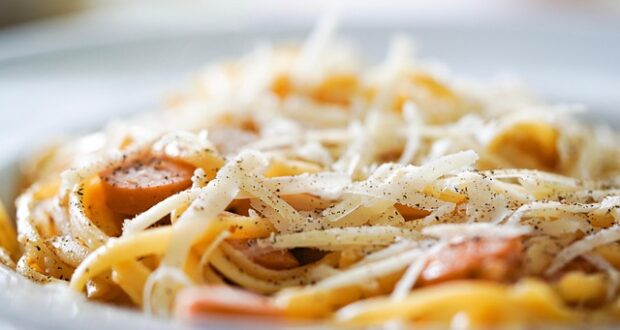
- Cacio e pepe: pasta with pecorino cheese and black pepper
- Carbonara: made with egg, guanciale, pecorino, and black pepper
- Amatriciana: with tomato, guanciale, and pecorino
- Supplì: rice croquettes stuffed with local mozzarella.
Note that restaurants in very touristy areas tend to cater to international tastes. That’s why it’s useful to know where to find more authentic versions.
Neighborhoods where food tells stories
In Rome, each neighborhood has a different relationship with food.
Trastevere is perhaps best known for its nightlife and traditional trattorias. Many Roman families still dine there, although it has also become very popular with visitors.
Testaccio, on the other hand, is more local. Historically a working-class neighborhood, it still has markets and restaurants serving classic Roman dishes.
There is also Campo de’ Fiori, which works as a market during the day and completely changes the atmosphere at night.
As you walk through these neighborhoods, you will understand something important: in Rome, food is part of everyday life.
What to try when walking around the city
Beyond formal restaurants, Rome has a rich street food culture. And there are four dishes you can’t miss while touring the city:
- Pizza al taglio, sold by weight, allows you to try different flavors.
- Trapizzino, a kind of pizza pocket filled with Roman dishes
- A quick espresso at the bar, as the locals do
- Artisanal gelato
Before dinner, many Romans enjoy aperitivo: a drink such as a spritz accompanied by small bites.
Why do many travelers take part in a Rome food tour
Rome can be overwhelming when you first arrive. There are hundreds of restaurants, and it’s not always easy to know which ones are really worth it.
A well-organized food tour usually includes several stops at markets, bakeries, or trattorias where you can sample local specialties while learning about the history behind each recipe.
You’ll also pick up tips that will help during the rest of your trip: how to identify overly touristy restaurants, which dishes are truly Roman, and which change with the seasons.
After this type of tour, it’s usually much easier to navigate the city on your own.
Practical tips for eating well in Rome
There are a few simple details that can make all the difference.
- See where the locals eat. If you see Italians having lunch in a small place, it’s probably a good sign.
- Don’t be afraid of short menus. In many traditional trattorias, there are only a few dishes of the day.
- Make reservations if you’re traveling during the high season. Especially in working-class neighborhoods like Trastevere.
Food as a way to find your way around the city
Rome is not a city that can be understood in a single day. Its history, culture, and traditions reveal themselves little by little as you walk around.
Following its most traditional dishes—from simple pasta to artisanal gelato—is an authentic way to discover the city.
In the end, many travelers end up remembering a perfect plate of cacio e pepe as much as a visit to the Colosseum. And that says a lot about the role food plays in the experience of touring Rome.
It’s no coincidence that many stories on travel blogs about the city end up talking about food.