KHTS Radio Santa Clarita Radio – Santa Clarita News

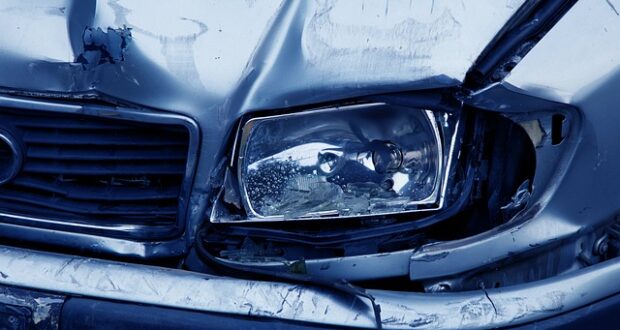
Yes, newer cars often incorporate advanced safety features and technologies that can help reduce sustained injuries in car accidents. Over the years, automotive manufacturers have made significant advancements in vehicle safety, aiming to enhance occupant protection and mitigate the severity of injuries in the event of a collision. Here are some ways newer cars contribute to reducing sustained injuries:
- Structural Improvements: Modern cars are designed with stronger and more rigid structures, including high-strength steel and other materials, which can better absorb and distribute the forces generated during a crash. This helps to minimize the intrusion of the cabin and provides increased protection to occupants.
- Advanced Restraint Systems: Newer vehicles are equipped with advanced restraint systems, such as seat belts with pre-tensioners and force limiters, which can help to better secure occupants during an accident. Additionally, some cars feature seat belt reminders to encourage all occupants to buckle up.
- Airbags: Airbag systems have evolved significantly. In addition to frontal airbags, many newer vehicles now have side-impact airbags, curtain airbags, and knee airbags. These airbags deploy rapidly upon impact and provide cushioning to reduce the risk of head, chest, and leg injuries.
- Anti Lock Braking Systems (ABS): ABS has become a standard feature in modern cars. It prevents the wheels from locking up during emergency braking, allowing the driver to maintain control and steer the vehicle. This helps to reduce the risk of accidents and subsequent injuries.
- Electronic Stability Control (ESC): ESC systems monitor vehicle stability and help prevent skidding and loss of control in various driving conditions. By selectively applying brakes to individual wheels and adjusting engine torque, ESC can mitigate the risk of rollovers and other accidents.
- Collision Avoidance Systems: Many newer vehicles offer advanced driver-assistance systems (ADAS) that can help prevent accidents or mitigate their severity. These include features like forward collision warning, automatic emergency braking, lane departure warning, blind-spot detection, and adaptive cruise control. By alerting the driver or taking autonomous action, these systems can reduce the likelihood of crashes and subsequent injuries.
While newer cars generally offer improved safety features, it’s important to note that the overall safety of a vehicle depends on various factors, including its specific design, build quality, and adherence to safety standards. Additionally, responsible driving, proper maintenance, and adherence to traffic regulations are crucial for maximizing safety on the road. A vehicle’s safety features are only designed to function correctly when used in conjunction with other safety measures. For instance, airbags can only be effective if they are deployed during a collision. Advanced restraint systems need to be worn properly by all occupants to achieve maximum effectiveness, and drivers need to be alert and attentive at all times while on the road.
Are These Systems Actually Making Cars Safer?
It’s difficult to determine whether newer cars truly make us safer on the road. Despite making advancements in many features and technologies, manufacturers are facing regulatory challenges as they try to improve auto safety. In addition, it’s hard to measure how much of a reduction in injuries has resulted from technological improvements. However, the Insurance Institute for Highway Safety (IIHS) has made efforts to track injury data and evaluate vehicle safety systems.
According to the IIHS, newer cars with crash-avoidance systems have helped to decrease the number of injuries in various types of accidents. For instance, automatic emergency braking (AEB) has been credited with reducing rear-end crashes by about 19 percent and their associated injuries by 27 percent. Similarly, lane departure warning (LDW) and forward collision warning (FCW) systems have helped to reduce injury severity in crashes involving other vehicles by about 11 percent.
Should You Buy a Car with Advanced Safety Systems?
When it comes to auto safety, advanced technologies are continually evolving and improving. However, it’s important to note that even with the latest and greatest technology, a crash doesn’t necessarily mean an injury is inevitable. Drivers must always be attentive on the road and prepared for accidents at all times. That said, advanced safety systems can help drivers avoid crashes as well as minimize their severity in the event of a collision.
If you’re considering buying a new car, it’s a good idea to research available safety features and systems. Prioritize features that are likely to reduce your risk of sustaining injuries in the event of an accident. At the same time, be aware that no car can guarantee absolute safety; even with advanced technologies, accidents still happen. If you’re ever involved in a car accident, seek out the advice of an experienced personal injury attorney to help you navigate your legal rights and options.
What About Car Insurance?
Over the past few decades, car insurance rates have continued to increase, often making it difficult for drivers to afford reliable coverage. Even before the recent rise in auto insurance rates, older vehicles were more likely to be involved in accidents. However, a modern car can help minimize the risk of injury in an accident, so it’s worth considering what features you’ll get in your model that offer safety benefits over others. It’s important to make sure that your auto insurance policy covers advanced safety systems. Be sure to check your policy for specific coverage and exclusions, as some vehicles may not be covered in some situations.
Even with advances in auto safety, accidents will still happen. You need to make sure that your auto insurance policy covers all of the accident-related costs that you incur, including pain and suffering, medical expenses, lost wages or income, and any other losses caused by an accident.
In Conclusion:
Modern cars offer a variety of safety features and technologies that can help drivers prevent and reduce the severity of accidents. It’s important to note that advanced safety systems were designed to work together with other safety measures, so they aren’t effective on their own. Additionally, as braking systems are improved, and rear-view cameras become standard features, crashes will still occur; you need to make sure your auto insurance policy covers these potential costs if an accident occurs. At the same time, advanced safety systems can help drivers avoid crashes, and that can reduce the risk of injury and prevent medical expenses from mounting.