KHTS Radio Santa Clarita Radio – Santa Clarita News

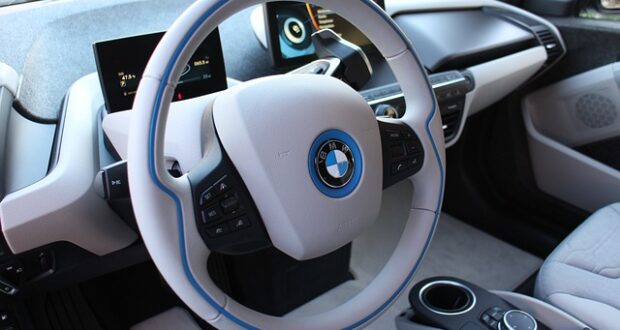
“How do I know if my electrical panel needs an upgrade” and “can my house handle an EV charger” are two of the most common electrical searches in Santa Cruz County right now, driven largely by older housing stock meeting a genuinely new demand: EV charging, heat pumps, and electrified homes that simply didn’t exist when a lot of local panels were installed decades ago.
Why 100 Amps Was Fine Then and Isn’t Always Fine Now
A huge share of homes throughout Santa Cruz, Scotts Valley, Capitola, Aptos, and Soquel were built with 100-amp electrical service, which was entirely adequate for the household electrical demands of that era.
Today’s homes often run far more simultaneous electrical load: central air, electric ranges, multiple large appliances, home office equipment, and increasingly, EV charging on top of all of it.
The Santa Cruz electricians at Fisher Electric routinely find that a 100-amp panel, which performed fine for decades, simply doesn’t have the headroom for a modern household’s actual demand once an EV charger enters the picture.
Why Adding an EV Charger Is Often What Actually Triggers This Discovery
A Level 2 EV charger requires a dedicated 240-volt circuit, and installing one is frequently the moment a homeowner first learns their existing panel is already running close to capacity.
Rather than treating this as bad news, it’s worth viewing it as useful information: a panel upgrade done now, while you’re already addressing one electrical need, is more efficient than discovering the same limitation again later when you want to add a heat pump or another major appliance.
Why 200-Amp Service Has Become the Practical Standard
Upgrading to 200-amp service gives a home meaningful headroom for an EV charger, a heat pump, and future electrification needs without requiring a second upgrade down the road.
This is worth discussing directly with your electrician in terms of your actual household’s current and realistically anticipated future electrical needs, not just what’s required for today’s immediate project.
Why Permits and Inspections Aren’t Optional Steps to Skip
A panel upgrade requires a permit in Santa Cruz County, and that permit process includes an inspection specifically designed to confirm the work meets current electrical code.
Skipping this step, or working with an unlicensed electrician who doesn’t pull the proper permit, creates real risk: unpermitted electrical work can complicate a future home sale, and more importantly, it means the work wasn’t verified by a qualified inspector who exists specifically to catch safety issues before they become a real hazard.
Why Coordinating With PG&E Is Part of a Panel Upgrade, Not a Separate Afterthought
A panel upgrade often requires coordination with PG&E, since the utility may need to be involved in upgrading the service connection to your home to support the new panel’s capacity.
A licensed electrician experienced with this process handles this coordination as a standard part of the project, rather than leaving a homeowner to navigate utility scheduling on their own.
Why This Work Specifically Requires a C-10 Licensed Electrician
Panel upgrades and service work involve real safety stakes, and California requires a C-10 electrical contractor license specifically for this category of work.
This isn’t a formality; it reflects the genuine technical complexity and risk involved in working on a home’s main electrical service, and it’s worth confirming this specific license, not just a general contractor’s license, before hiring anyone for this project.
What to Actually Ask Before Starting This Project
A few direct questions help you plan accurately:
- Based on my current and anticipated electrical needs, does my home need a full panel upgrade, or can my existing panel support an EV charger with some modification?
- What does the PG&E coordination process look like for my specific situation, and how long does it typically take?
- What’s included in the permit and inspection process, and how is that handled?
Getting This Work Done by Someone Qualified for the Real Stakes Involved
Because panel upgrades involve genuine safety considerations, proper permitting, and utility coordination, this is a project worth handling with a licensed C-10 electrician who manages the full process, not just the visible panel swap.
Fisher Electric has served Santa Cruz County and the Central Coast since 1991, which means decades of experience navigating exactly this kind of PG&E coordination and permit process for homes throughout the area.