KHTS Radio Santa Clarita Radio – Santa Clarita News

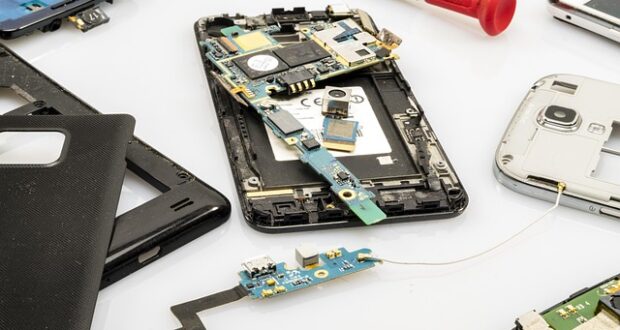
Every year, millions of people rely on electronics, from smartphones and laptops to kitchen appliances and medical devices. While these devices promise convenience and improved quality of life, some products pose serious risks due to defects. Whether it’s an overheating phone battery or a malfunctioning appliance, product defects in electronics can cause harm, and consumers deserve protection when this happens.
Product liability laws exist to hold manufacturers accountable when unsafe products cause harm. If you’ve been injured by a defective electronic product, understanding these laws and your rights can help you pursue compensation for your injuries.
What Is Product Liability and How Does It Apply to Electronics?
Product liability refers to the legal responsibility that manufacturers, distributors, and retailers bear for the safety of the products they place in the stream of commerce. When you purchase an electronic device, you reasonably expect it to function properly without causing harm. However, some products are defectively designed or manufactured, which can result in serious injuries. If you’re harmed by an unsafe electronic device, you may have a legal claim against the manufacturer, retailer, or others involved in the distribution chain.
To address this process, visiting a personal injury lawyer directory like ServeTheInjured can help you find legal counsel in your area who understands the complexities of product liability and can evaluate whether a defect directly caused your injury. By connecting with lawyers who focus on these cases, you gain access to professionals prepared to handle both the technical details and legal hurdles involved.
How Do You Prove That an Electronic Product Was Defective?
Proving that an electronic product caused harm requires careful documentation and strong evidence. Unlike physical injuries that are easily visible, proving the link between an injury and a product defect can be more complicated. Below are some of the main steps to consider when building a case:
Design Defects
A design defect occurs when a product is inherently dangerous from the start. For example, if a smartphone is designed with a battery that is prone to overheating, no matter how it is made, it’s considered a design flaw. If this flaw leads to injury, you may have grounds for a claim.
Manufacturing Defects
Sometimes, the design of a product is safe, but an issue arises during the manufacturing process. A manufacturer might use faulty components or make a mistake that renders the product unsafe. If this defect directly causes harm, you can pursue compensation.
Failure to Warn
Even if a product is designed and manufactured properly, it can still be dangerous if the manufacturer fails to provide sufficient warnings. For example, if a kitchen appliance gets too hot during use, the manufacturer should include a warning label. If they don’t, and you’re injured as a result, the manufacturer could be held liable.
What Evidence Should You Gather After an Injury from an Unsafe Electronic?
If you’ve been injured by a defective electronic product, gathering evidence is important to building your case. Without it, it’s hard to prove that the injury was caused by the product’s defect. The following are the key pieces of evidence that will help support your claim:
Documentation of the Incident
Write down everything you can about the injury, how it happened, where it happened, and what the device was doing at the time. Taking pictures of the product, your injury, and the scene can be incredibly helpful for your case.
Medical Records
Your medical records will help link the injury to the product. A doctor’s report can detail the extent of the injury and provide important evidence of the harm caused by the defective product. Be sure to follow through with all medical appointments and document how the injury is affecting your daily life.
The Product Itself
Preserve the product and its packaging, as destroying or altering it could lead to the legal issue of spoliation of evidence, which is highly detrimental to a product liability claim. If the product was defective, retaining the device can help demonstrate the problem.
If the product has been discarded, a lawyer can still help investigate the incident and may seek to obtain a similar model for demonstrative purposes or use other forms of evidence, but retaining the original item and not altering it is always essential to prevent a claim of spoliation of evidence.
Why Is It Important to Hold Manufacturers Accountable for Defective Electronics?
Holding manufacturers accountable for unsafe electronics is important not only for your case but for consumer protection as a whole. When manufacturers are held accountable, it sends a message that safety must be prioritized over profit. It also encourages manufacturers to improve their products, conduct thorough testing, and issue recalls when necessary, preventing future injuries.
Your legal action can help protect others from the same harm. By pursuing compensation for your injuries, you’re also advocating for safer products and the rights of future consumers.
Image by Filip Filipović from Pixabay
Frequently Asked Questions
What types of damages can I recover in a product liability case?
You can recover damages for medical expenses, lost wages, property damage, pain and suffering, and future medical costs related to the injury.
Do I need to prove that the manufacturer was negligent?
No, in most cases of product liability, you don’t need to prove negligence. If the product was defectively designed, manufactured, or lacked adequate warnings, the manufacturer can be held strictly liable.
What should I do if I think my injury was caused by a defective product?
Document everything related to the injury, including photos, medical records, and witness statements. Contact a lawyer who specializes in product liability to discuss your case and begin the legal process.