KHTS Radio Santa Clarita Radio – Santa Clarita News

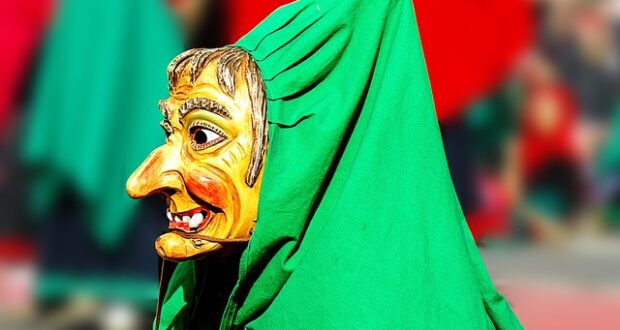
In the portfolio of cultural or religious celebrations, Purim loosely stands apart. One of its most unforgettable practices centers around dressing up, and this serves a purpose beyond the fun. To tell this story, one must dress for the occasion so that one can believe what this holiday is really about. Knowing the way costumes add to what makes Purim special will allow communities to celebrate the tradition with extra energy.
Bringing Ancient Narratives to Life
Costumes for Purim connect people, linking the ancient tale with contemporary viewers. Participants literally step into the roles of Esther, Mordechai, and more by dressing as the characters in the Purim story. The act of physically transforming themselves like these figures provides room for reflection on their valor and virtue. Garments reflecting the story give people a physical connection to the history, bridging the time with the right here and now.
Fostering Creativity and Imagination
Purim celebrations unleash your imagination. Choosing or making costumes fosters creative thinking as people are reinterpreting characters. Kids and grown-ups alike embellish outfits, adding their own unique flair to each ensemble.
Encouraging Participation and Engagement
Many who do not follow ritual can relate better through dress. Celebration becomes more participatory, with each person playing a part in the common story. Traditions make the holiday a shared event, and that serves to bond families and communities closer together.
Highlighting Themes of Hidden Identity
The story of Purim revolves around identity and revelation, and costumes bring these themes to life. Just as Esther once hid her true self, wearing a disguise allows participants to explore different facets of their own identity. Dressing up transforms these abstract ideas into a tangible experience, helping everyone connect more deeply with the lessons and messages of the story.
Strengthening Educational Experiences
Costumes have a way of leaving a lasting impression, think back to childhood birthday parties. Allowing young people to step into characters and act out scenarios helps them understand and remember historical events more effectively. This hands-on approach transforms abstract ideas into engaging, interactive lessons, making learning about history both fun and memorable.
Building Lasting Memories
Costume traditions generate indelible memories among family and friends. Photos of fun and creativity preserve the essence of Purim for the New Year to come. The experiences get told as stories and retold at future gatherings before being passed down through generations. Dressing up is one of the best parts about the holiday, so this practice has surely become a tradition in itself.
Supporting Community Spirit
These gatherings promote a sense of community and teamwork among all players. Collaborative costume planning, preparation, and presentation strengthen bonds and belonging. Colorful dresses create a visual spectacle and vibrancy in celebrations, and these kinds of celebrations can never be forgotten easily.
Celebrating Diversity and Inclusion
The costume tradition was unfocused enough that a variety of backgrounds and ideas could be incorporated into it. Participants decide on costumes that represent their culture, favorite tales, or flights of imagination. This encourages a comfortable feeling for everyone, so no one feels left out during Purim celebrations. Communities express respect for individual expression within a common tradition by celebrating diversity.
Conclusion
Costumes bring the story of Purim to life, and the story, in turn, deepens the tradition. Wearing these garments transforms the holiday from something observed into something experienced—an artful blend of action, interaction, and celebration. Through dressing up, communities not only honor the history of Purim but also create lasting memories and meaningful lessons that continue to inspire for generations.