KHTS Radio Santa Clarita Radio – Santa Clarita News

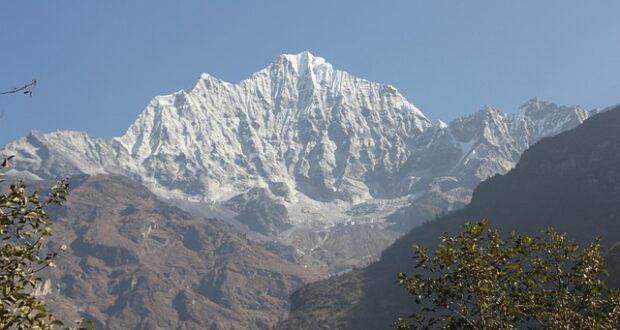
Journeying to the Base Camp of Everest quite literally holds a cherished place in the heart of many people from all over the world, and there is good reason – with stunning Himalayan views virtually every step along your trip to the highest mountain in the world. But the biggest challenge on this trip is altitude sickness. The path continues climbing to well over 5,000 meters, and the thinner air can take a toll even on the strongest trekkers. Knowing how to prevent altitude sickness is a must for any safe and successful Everest Base Camp trek.
Altitude Sickness in the Everest Region – Explanation
Altitude sickness, also known as Acute Mountain Sickness (AMS), occurs when the body is unable to adapt appropriately to decreased levels of oxygen at high elevation. On the Everest Base Camp journey, height issues regularly start post-Namche Bazaar: trekkers rise rapidly over a couple of days. Side effects can include cerebral pains, queasiness, discombobulation, weakness, shortness of breath, and trouble resting.
In severe cases, it can advance to Tall Height Aspiratory Edema and/or High Elevation Cerebral Edema – both of which can kill you. That’s why being informed on the trek is so essential, and plugging away to prevent it — and act fast when it does happen.
Importance of Proper Acclimatization
Acclimatization Is Key. “The most powerful accomplishment to avoid AMS during the Everest Base Camp Trek.” The body needs time to adjust to less oxygen, and when you go up too fast, you’re more likely to have a health issue. A good itinerary includes acclimatization days, here in Namche Bazaar and in Dingboche, where trekkers hike higher on the mountain during the day before descending to lower altitudes to sleep.
Climb high and sleep low is the concept that has become synonymous with acclimatization. Skipping acclimatization days or attempting to shorten the trek, trekkers often fall prey to altitude illness that can prevent people from ascending or, in extreme cases, abandon the climb altogether.
Slow Trekking Back at a Steady Pace
The #1 mistake trekkers make on the Everest Circuit: They hike too fast. Not even healthy hikers are immune to altitude sickness if they flout the essential law of not trekking too fast. If you hike slowly, your body can more easily regulate your rate, breathing, and oxygen.
I honestly feel like being in tune with your body. Options: Active recovery, controlled breathing, and sustainable rhythm to conserve energy and reduce the strain. Better to arrive later and healthy than to push it and then get sick.
Staying Hydrated and Eating Well
But one of the best defenses against altitude sickness is just being well hydrated. The body loses water faster at elevation due to the increased rate of breathing and the lack of humidity in alpine air. As the day goes on and you drink more water, it will be easier to breathe, and these headaches and fatigue will decrease.
The food on the way is equally important. I have eaten a MacOs diet, and there are plenty of carbs to cover high-mileage walk days/acclimatization. Filling, nourishing, and easy to digest at altitude: Dhal bhat. Traditional foods like dhal bhat hikers favor for a reason: they’re what fills you up and keeps you going on the trail. Be sure to stay clear of excessive alcohol — it can dehydrate you — or caffeine.
Early Signs and Rapid Response
The most important skill that you will have to utilise while on the Everest Base Camp Trek is being able to recognize the early stages of altitude sickness. “Some people may not realize that even mild symptoms can become quite severe when they start to climb higher. Migraines that do not progress with rest, symptoms of craving, nausea, and unusual weakness are warning signs and should be taken seriously. It’s moreover worth noticing: If the indications get worse, stop climbing or plummeting to a lower height instantly. Resting up, keeping hydrated, and allowing the body to recover go a long way in preventing other, more severe complications. With a guided trek, there is an adequate follow-up to deal with the symptoms.
Guides and Trekking Supporting Staff:
Having learned and experienced nearby guides who are able to recognize indications of height ailment is also vital. They’re too taught to recognize symptoms early, screen acclimatization regimens, and make basic choices when wellbeing is at stake. They also serve to pace and keep them consistent within prescribed levels of altitude gain.
Our support team and porters would lighten your tour by carrying your load for me, making it less physically demanding on you, so you can enjoy the trek while providing us time to enjoy just walking. Choosing a reliable trekker’s guide is far safer and reduces the risk of high altitude illness substantially.
Medicines and getting oxygen from the safety of your home
There are some trekkers who would like a pill for altitude sickness, for which acetazolamide gives them confidence — popularly known by its brand name Diamox. When used appropriately and under the supervision of a doctor, it can facilitate acclimatization. But we also know medicine is no replacement for acclimatization and sensible trekking behavior.
It is a bad industrial position, not a tourist one, so Teahouses have “oxygen” cylinders in d slings, and the local escorting guides always carry some proper ones anyway. Oxygen can relieve some people’s symptoms for a time, though it does not cure altitude sickness. The best treatment for extreme cases is to go down.
Mental Preparation and Trekking Awareness
Mental preparation is not something that you can tick off a list, but it’s key to preventing altitude sickness. When trekking to Everest Base Camp, knowing it is not a race can enable trekkers to manage their expectations and not place any unnecessary pressure on themselves.
And leaning into the fact that rest days, weather downs, and or slow progress are all normal things for a thru-hiker is life-altering in itself. Positive attitude, knowledge of the conditions by you and the guide cum fellow trekkers, and communication help to keep things safer. As important as physical fitness is, mental preparedness and patience on the trail or road at high altitude are equally important.
Final Thoughts
Not getting altitude sickness on your trek to Everest Base Camp requires preparedness, self-discipline, and a smidge of deference for the mountains. SLOW ascent, good acclimatization, hydration, and nourishment so that they can recognize early symptoms of AMS from a recipe for a safe trek. The majority of trekkers can and do reach Everest Base Camp safely with experienced guides and sound trekking practices.
The Himalayas bestow munificent gifts upon those who travel intentionally and listen to their bodies. The “s, combined “with a “safety-first” attitude, means that not only is your Everest Base Camp experience achievable, but you can also enjoy one of the most incredible trekking experiences in the world!