KHTS Radio Santa Clarita Radio – Santa Clarita News

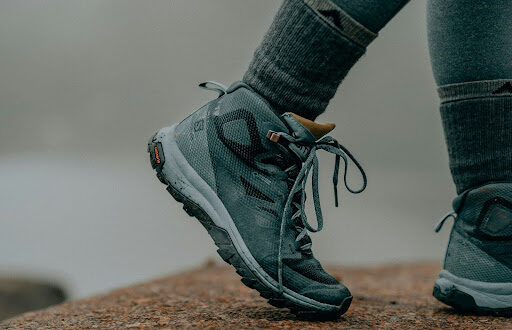
Santa Clarita is home to some of California’s most scenic trails, such as the rugged Towsley Canyon and the Iron Horse Trail.
Though beautiful, these trails can be quite strenuous, like Towsley Canyon, which requires the right gear and hiking modes to avoid pain. Even the flat stretches of the Iron Horse Trail can be hard on your feet if you don’t have proper footwear.
Whether you go on active hikes or casual Sunday walks, take note of the following tips for choosing the right trails, footwear, hiking methods, and post-recovery routines.
Tips for Hiking Footwear
Your footwear should absolutely correspond with your chosen trail.
A rugged trail with steep slopes, hills, and terrains demands high-quality hiking boots. Break in your boots before going on a long hike, as newer boots don’t have enough comfortable wiggle room for your toes. You can actually get a condition called “black toenail,” a subungual hematoma triggered by repeated trauma to the toe during steep descents.
The same “break-in” rule applies to light trails, where only high-performance walking shoes are required.
Ensure your shoes have adequate support to prevent your ankles from rolling inward. This can also affect your gait, making walking more difficult and painful. In these cases, using orthotic insoles for gait correction will help you stay aligned while walking on flat trails, preventing foot and leg pain.
You may need to adjust your lacing technique for extra support.
If you notice your heel slipping a bit, use the top eyelets to create a runner’s loop with your laces. This should keep your ankle snug in the back of your shoe or boot. Runner’s loops help prevent blisters, too.
A window lacing technique can also relieve pressure on the top of your foot. Identify the eyelets on top of the sore spot. Avoid lacing that area, but securely lace around it to provide both support and room for relief.
Do You Need Hiking Poles?
Hiking poles offer necessary stability on tough terrain. They redistribute your weight, which significantly reduces the impact on your ankles and knees.
You can also use hiking poles on smooth trails if you already suffer from imbalance and joint pain issues, but want to commit to a walking routine.
How to Enable a More Comfortable Descent
Hiking injuries often occur on the way down, as steep inclines put a lot of strain on your joints and quads. Be quick and consistent with your descent, taking shorter and smaller steps; this will help prevent muscle fatigue.
Engage your core the entire way down. It’s important to stabilize your center of gravity to prevent knee inflammation.
What’s the Best Post-Hike Recovery?
Get a head start on your recovery by spending the last ten minutes of your hike walking on flat ground. Once you’re home, elevate your tired feet, applying ice to noticeably sore joints for at least 20 minutes. This is the perfect time to replenish lost nutrients with a protein-rich snack or smoothie.
Find Your Stride (Without the Pain)
Take in the natural beauty of Santa Clarita. Prevent distracting pain with the right footwear, lacing techniques, hiking poles, descent modes, and post-recovery routine.
Get your strength up to enjoy even more excursions in Santa Clarita. Follow our blog to stay updated on local hidden gems, events, and more!