KHTS Radio Santa Clarita Radio – Santa Clarita News

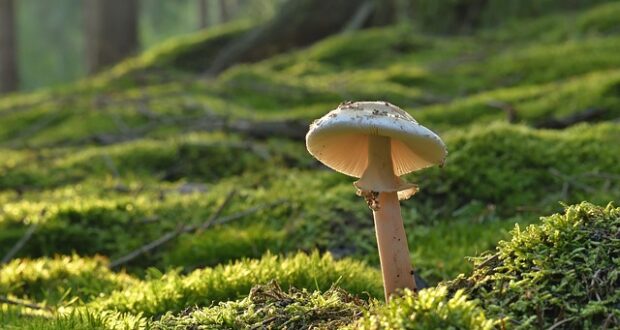
Appalachian peaks provide an environment that is different from the flat agricultural plains found in other regions. High altitudes and mist covered valleys create microclimates where the air is thinner and the water is cleaner. These factors contribute to a slower growth cycle that allows plants to develop more complex profiles over several months of development.
Local farmers have spent generations perfecting traditions that respect the rugged terrain they call home. They understand that rushing the process leads to a product that lacks character. This dedication to craft is visible in the way they manage every acre of mountain soil with care and daily attention to the needs of the crop.
Consumers looking for the best of this region seek out businesses that prioritize these heritage methods. Finding a source that bridges the gap between the farm and the city is essential for getting the freshest results. It is good to know that a local Asheville dispensary sells premium, organic THCA flower that reflects this regional dedication to quality.
Choosing Genetics for High Altitude and Living Soil
Selecting the right genetics is the first step in ensuring a successful harvest in a mountain environment. Plants must be hardy enough to withstand cooler nights and fluctuating ultraviolet light. Breeders focus on varieties that have a natural resistance to the pests and molds found in damp Appalachian valleys during the peak of the season.
Living soil plays a vital role by providing a rich ecosystem of microbes and fungi. Instead of relying on bottled nutrients, the plants draw everything they need from organic matter. This leads to a more robust root system and a final product that feels more connected to the local earth.
The resilience of these mountain plants is evident in the final density of the flowers. They carry a structural integrity missing from mass produced crops grown in sterile indoor rooms. Every seed represents a lineage optimized for the specific challenges and benefits of the high altitude terrain.
Preserving Aromas Through Slow Curing and Aging
The journey from the field to the shelf does not end with the harvest of the plant. A slow curing process is essential for transforming the raw material into a refined product that is smooth and flavorful. Rushing this stage is a mistake that ruins the hard work of the entire growing season.
Temperature controlled aging allows the delicate aromatic compounds to settle and develop their full complexity over several weeks. If the environment is too hot or too dry, the most subtle notes will evaporate into the air forever. Maintaining a steady climate is the only way to preserve the true essence of the mountain harvest.
This patience results in a product that burns evenly and provides a consistent experience for the consumer. It is the difference between a generic purchase and a boutique experience that honors the plant. The aging phase is where the true character of the high altitude environment is finally locked into the flower.
The Boutique Advantage of Hand Trimmed Batches
Industrial scale processing often relies on large machines that can damage the delicate crystals on the surface of the flower. These mechanical systems are fast but they lack the precision needed to preserve the visual appeal and chemical integrity of the harvest. Mass market products frequently lose their most valuable components during this phase.
Hand trimming represents a commitment to quality that is visible in the final presentation of every single bud. Artisans carefully remove the excess leaves without disturbing the dense coating of trichomes that contain the active compounds. This boutique approach ensures that every piece of the batch reaches the consumer in pristine condition.
Small batch production allows for a level of oversight that is impossible in a massive commercial warehouse. Each plant is treated as an individual rather than just another number on a spreadsheet. This focus on detail is what separates a premium mountain harvest from the generic options found elsewhere.
Verifying Quality Through Third Party Lab Transparency
Trust in a local harvest is built on a foundation of transparency and objective data provided by independent laboratories. These tests verify the chemical profile and ensure that the product is free from any harmful contaminants or heavy metals. Every reputable producer makes these results available to the public for review.
Reviewing a lab report allows consumers to understand the specific terpene count and potency levels of their purchase. It provides a level of certainty that is essential when navigating a market with so many different labels and claims. Knowing exactly what is inside the jar is a vital part of the experience.
Local sourcing becomes even more valuable when it is backed by this kind of scientific evidence. It proves that the artisanal methods used on the mountain are actually producing a superior and clean result. Transparency is the only way to cut through the noise and find the best botanical products.
Supporting Local Communities Through Craft Cultivation
A focus on craft cultivation does more than just produce a high quality product for the end user. It supports the local economy by providing jobs and preserving the agricultural heritage of the Appalachian mountain region. Every purchase helps to sustain a network of small family farms and specialized processing facilities.
This community connection creates a more authentic consumer experience that feels grounded in a specific time and place. Knowing the story behind the harvest adds a layer of depth that mass market products simply cannot replicate. It fosters a relationship between the grower and the buyer based on mutual respect.
Sustainable farming practices ensure that the mountain environment remains healthy for many generations of residents and visitors to enjoy. By prioritizing quality over quantity, these farmers protect the very land that makes their work possible. Choosing craft products is a way to invest in the future of the Appalachian landscape.