KHTS Radio Santa Clarita Radio – Santa Clarita News

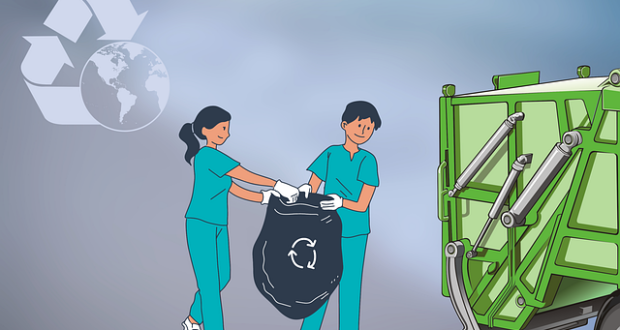
Are you sick and weary of worrying about your carbon footprint? The time has come to live more sustainably while maintaining comfort.
Living sustainably is a fundamental break from the consumerist norm, not just a trendy term. It’s a protest against the unrelenting loss of resources and a bold stance for the well-being of the earth. When we adopt eco-conscious choices, we’re not just being cautious—rather, we’re forging a new path toward a harmonious relationship with the environment. Setting aside the façade of being environmentally conscious, let’s explore the principles of environmentally friendly living—a place where charitable giving and conscientious consumption coexist.

The Significance of Sustainable Living
The fragile cosmic desert that is our world is on the verge of a disastrous environmental disaster. The long shadow of climate change hangs over our common future, looming enormously. Depletion of resources is a silent sabotage that undermines the fundamentals of our society. It’s time to take responsibility for our environment and to stop being spectators.
Not only is living sustainably a statement of style, but it is also vital to our survival. By severing our connections to nonrenewable resources and implementing responsible consumption habits, we can save the intricate network of life on Earth. Every conscious choice we make affects ecosystems, which subsequently affect biodiversity and global conditions. Together, let’s create a sustainable future that brings harmony to the natural world and humankind.
The Increasing Awareness of Consumption
There’s a revolution underway—a quiet but forceful movement of independent people calling for the peaceful coexistence of consumerism and conscience. Customers are using their money as a powerful force for change, no longer just being passive cogs in the economy.
A chain reaction results from every deliberate decision made, pushing all sectors to reconsider their methods and adopt sustainable practices. It’s an evolution of perspective that demonstrates the power of the human spirit to bring about constructive change.
Sustainable Living: The Better Way
Sustainable living is a deliberate move toward a happy cohabitation with our earth, not merely a fad. It’s about making thoughtful decisions that preserve assets for future generations and appreciating how intertwined humans are with the planet’s ecosystems.
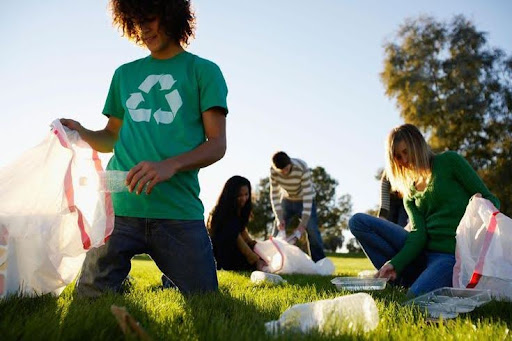
Key Aspects for Sustainable Living
- Reduce: Cut lower the amount of energy, water, and materials utilized.
- Reuse: To extend the life of something, recycle, reuse, and repair them.
- Recycle: Turn waste resources into fresh products by processing them.
- Respect: Seek to balance with the environment and protect its variety.
| A well-known disposable vaporizer brand called LiGG has positioned itself as a greener option than regular cigarettes. LiGG lessens the waste that comes with using typical vaping techniques by doing away with the need for frequent cleaning and refilling. |
Living a Green Lifestyle Has Its Advantages
Environmental protection helps to mitigate global warming, reduce pollution, and preserve natural resources.
Economic Benefits: Lowers energy and waste use, which frequently saves money.
Improved Health: Promotes the adoption of healthy behaviors by endorsing actions like exercising and consuming organic food.
Social duty: By encouraging a sense of community, social responsibility improves the planet.

Carbon Credit or CO2 Trading Carbon Trading Certificate Sustainable Business and Environment Industries and companies Reduce carbon emissions to reach net zero emissions target.
Reducing Carbon Emissions
A vital part of living a sustainable lifestyle is reducing your carbon footprint, which is the total amount of greenhouse gasses that an individual, organization, or item releases, either directly or indirectly. Important things to consider are:
- Energy Efficiency: Lower your energy usage both at home and at work.
- Transportation: Choose to walk, ride a bike, or use public transportation whenever possible.
- Diet: Take into account cutting back on your meat intake and assisting regional organic food growers.
- Reducing usage, recycling, and composting are some strategies to lessen waste.
Reduce, Reuse, Recycle
“Reduce, reuse, recycle” is more than simply a catchphrase; it’s a movement of transformation toward a future that is environmentally friendly. We are all able to reduce our environmental impact and preserve the earth for coming generations by leading responsible lives.
Reduce: Consuming Less
- Consume mindfully: Avoid going over budget, buying pointless things, and purchasing excessive amounts of packaging.
- Digitalization: Use electronic bills and statements to reduce the amount of paper waste.
- Making choices: Give importance to products with less of an impact on the environment, like those made of materials that have been recycled or packaged in eco-friendly methods.
- Energy efficiency: Guard your home, install energy-saving appliances, and choose environmentally friendly means of transportation to cut off the amount of power you use.
Reuse: Improving a Product’s Life
- Reuse objects: Find creative ways to reuse old items in new settings to reduce the demand for replacements.
- Fix and upkeep: Ensure that your belongings receive the necessary care and attention to extend their lifespan.
- Borrow or share: Consider dividing up things with friends or neighbors to reduce personal use.
- Use reusable instead of single-use products: Reusable containers, water bottles, and bags can help reduce trash.
Recycle: Finishing the Cycle
- Ascertain what you can recycle: Find out what recyclables are accepted in your region and what recycling laws are in place in your neighborhood.
- Ideal setup: Sorting recycling materials according to local laws will guarantee effective processing.
- Cut down on contamination: To increase recycling rates, clean the containers and take out any non-recyclable items.
- Encourage recycling programs: Engage in neighborhood recycling initiatives and promote better infrastructure for recycling.
Energy Preservation: Minor Actions, Major Effects
Energy efficiency is a powerful catalyst for a sustainable and economical way of living, not merely a trendy term. You may lower your carbon footprint and save a lot of money on utility costs by making thoughtful decisions and forming energy-saving habits. You and the environment will benefit, as well as your pocketbook.
Simple Ways to Conserve Energy at Home
- Conscientious lighting: Use ambient light, choose LED lightbulbs, and remember to switch off lights when you leave a room.
- Temperature control: Modify your thermostat for optimal heating and cooling. Consider employing fans in place of air conditioning during moderate weather.
- Using low-flow shower heads, immediately fixing water leaks, and storing rainwater for gardening are all ways to use less water.
- Appliance awareness: Select energy-efficient models when upgrading appliances, and remove equipment when not in use.
- Cooking advice: Protect pots and pans to improve cooking efficiency and minimize oven openings.
Advantages of Energy-Saving Appliances
- Financial Independence: Cut those skyrocketing energy costs and savor the delicious taste of financial freedom.
- Eco-Warrior: Make a good environmental impact by lowering your carbon footprint.
- Elevated Comfort: With energy-efficient appliances made to pamper you, step up your degree of comfort.
Sustainable Transportation: A Greener Commute
The earth longs for a lighter carbon imprint. In nature’s concerto, the incessant hum of combustion engines is an at-odds symphony. We need to rewrite the story of our everyday commutes. Sustainable mobility is required for a happier, healthier world and a better quality of life, not just an option. Let’s set out to investigate the environmentally friendly options that have the potential to completely transform the way we travel.
Advantages of Walking, Biking, or Using Public Transport

Group of friends cycling on road in park. Cheerful bikers riding bikes outdoors. Happy time together.
- Reduced Energy Expenses: Adopt the thrift of foot power.
- Advantages for Your Health: Promote your way to better health. Walking and cycling are prescriptions for vitality, not merely ways to get about.
- Eco-warrior: Selecting transportation driven by humans is a vote in favor of calmer neighborhoods, cleaner air, and a sustainable future.
- Financial Independence: Give up the costly habit of constantly filling up your car. Accept the freeing economics of movement propelled by people.
- Create a socially beneficial commute with Community Alchemy. Walking and cycling offer opportunities to socialize with new people, explore your environment, and develop a stronger sense of community.
Advice for Ride-Sharing and Carpooling
- Locate trustworthy companions: Gain the trust of your ride-sharing or carpooling partners.
- Organize schedules: Well-thought-out preparation is necessary for hassle-free commutes.
- Cost sharing: Distribute costs equally among travelers.
- Apps for ride-sharing should be used: Carpooling solutions are conveniently provided by platforms such as Uber and Lyft.
The Advantages of Hybrid and Electric Cars
- Environmental impact: Significantly reduces greenhouse gas emissions in comparison to traditional gasoline-powered automobiles.
- Savings: Possible tax benefits and reduced fuel expenses.
- Performance: A lot of hybrid and electric cars have excellent handling and acceleration.
- Technological progress: Aids in the creation of greener transportation innovations.
Sustainable Shopping and Consumption
Conscious Consumerism
Something is changing in the maze-like marketplace of unending yearning. The age of thoughtless consumerism is giving way to a conscience that strives for earthly peace. We can completely reshape our interaction with the environment around us by carefully considering the decisions we make from the beginning of a product’s life to its end. Every purchase turns into a vote that influences economies, industries, and the fabric of our very being. It’s a revolution of thoughtful intent rather than force. Are you prepared to spearhead transformations?
- Give Local and Sustainable Brands Priority: Support companies that have a minimal impact on the environment. The market for environmentally friendly goods is fueled by your support.
- Examine the Product’s Origins: Look beyond the package. Recognize the path your products traverse to get from the raw materials to your door.
- Embrace The Economy: Adopt the Circular Economy by repairing and reusing things to increase their lifespan. Recycle, reuse, reduce: this should be your guiding principle.
- Encourage Fair Trade and Ethical Business Practices: Your money speaks louder than words. Select goods that are consistent with your beliefs.

Advice on Choosing Eco-Friendly Products
- Cracking the Eco-Enigma: An item’s environmental impact can be inferred from its label in this mysterious way. Seek out eco-labels and certifications, the holy trinkets of sustainability.
- Invest in Longevity: Reject fast fashion and welcome sturdiness instead. Put quality before quantity, and as a result, your collection will grow with classic pieces.
- Packaging Purgatory: Unpack the facts about over-packing to avoid packaging purgatory. Choose things that are dressed in simple, eco-friendly clothing. Let’s get rid of the giants that are packaging!
- Conscious consumerism: Back companies that have minimal impact on the environment. Examine environmentally conscious businesses, and use your money as a guide.
- Knowledge is Power: Therefore keep up with the ever-changing field of sustainability. Be the information-wielding eco-warrior, prepared to make thoughtful decisions.
How to Avoid Greenwashing?
A crafty marketing chameleon known as “greenwashing” creeps into consumers’ minds by disguising goods in an emerald glow of environmental compassion. The genuine ecological footprint of the product is hidden behind these dishonest veneers, which are frequently embellished with buzzwords and false images. Greenwashing’s tendrils are widely dispersed, from the recycled label on packaging that cannot be recycled to the “eco-friendly” tag on a product that is packed full of dangerous chemicals.
Sustainable Food Choices
The intricate network of linked systems presents a chance for significant transformation. We can pave the way for a future that is more just, nourishing, and ecologically harmonious by intentionally choosing what goes on our plates.
Benefits of a Plant-Based Diet and Reducing Meat Consumption
- Reduced environmental impact
- Improved Health
- Animal welfare
Tips for Buying Organic and Locally Sourced Produce
- Make seasonal food a priority to support local farmers and savor the freshest, most flavorful selections available.
- Form ties with nearby farmers: A lot of farmers’ markets provide a chance to talk with growers and find out about their methods.
- Think about CSAs (community-supported agriculture): Join a community support agriculture (CSA) to guarantee a consistent supply of locally grown, fresh produce.
- Pay close attention to the labels: Seek out labels and certificates that attest to local and organic sourcing.
Importance of Reducing Food Waste and Composting
One major factor in environmental issues is food waste. We save resources and cut greenhouse gas emissions by decreasing food waste.
- Plan your meals
- Proper food storage
- Composting
- Embrace leftovers
Sustainable Home and Garden
Our houses engage in significant environmental interaction; they are not solitary things. We can reduce our environmental footprint and create healthier living spaces by making deliberate decisions.
-
Energy Effectiveness
- Invest in energy-saving appliances instead.
- Make a suitable insulation investment.
- Put in energy-efficient windows.
- Think about using solar power to produce clean energy.
-
Building with Sustainable Materials
- Recycled or salvaged materials have to be utilized whenever feasible.
- Instead, choose low-VOC paints and finishes.
- Investigate environmentally appropriate substitutes for conventional building materials.
-
Eco-Friendly Household Methods:
- Use less water by installing efficient fixtures.
- Put in place appropriate recycling and trash management.
- Make use of natural cleaning supplies.
- Take up energy-saving habits, such as shutting off devices while not in use.
Green Gardening
To be successful and sustainable, a green garden must be created. You may enjoy the results of your labor and help preserve the environment by using green gardening practices.
Natural Plants and Biodiversity: Their Significance
The use of native plants in your garden has several benefits:
- Support for ecosystems: Pollinators and helpful insects are drawn to native plants.
- Water conservation: Because they are climate-adapted, they require less water.
- Lower maintenance: Compared to alien species, native plants often need less attention.
- Enhancement of biodiversity: Ecological equilibrium is promoted by a diversified ecosystem.
Ecological Watering and Managing Soil
- Use water with caution
- The health of the soil
- Gathering rainwater
LiGG Vaping: A Sustainable Step Forward
A reevaluation of several consumption behaviors has resulted from the shift towards more sustainable lives. LiGG vaping is an intriguing concept when it comes to nicotine intake.
Cigarette butts used to be a major environmental problem, polluting soil and causing plastic pollution. LiGG, a reusable vaping system, provides an alternative to disposable cigarettes as a potential remedy for this issue.
But it’s crucial to take into account the product’s whole lifecycle, including battery disposal and the effects of producing e-liquid on the environment. LiGG vaping is a positive step in cutting down on the trash that comes with traditional smoking, but it’s still important to take a comprehensive approach to sustainability and look into other environmentally friendly options. For the best deals on ligg vaping, check out Vapedeal.
Community and Advocacy
The Value of Group Initiative
To create a sustainable future, communities and individuals must work together in concert. Taking part in regional sustainability projects is essential to putting long-term change into action. Making proactive efforts to address social and environmental issues can help to create a more just and healthier world.
Joining Neighborhood Environmental Groups
Participating in local environmental groups is a fantastic way to meet people who make a genuine impact and who share your ideals. These groups frequently provide chances to volunteer, take part in neighborhood initiatives, and keep up with environmental news.
- Look up neighborhood organizations: Find groups that share your values and areas of interest.
- Attend gatherings and occasions: Take part in community events to establish connections with other members.
- Offer your time and knowledge: Offer to assist with various duties, like organizing cleanup and outreach.
Promoting Sustainable Practices and Policies
Your opinion counts. You can sway policymakers and effect good change by promoting sustainable habits and policies.
- Remain educated: Stay current on municipal policies and environmental issues.
- Speak with elected officials: Speak up in favor of sustainable initiatives and voice your concerns.
- Engage in dialogues within the community: Talk to people about the opinions and expertise you have.
- Choose companies that place a high priority on environmental responsibility to support sustainable enterprises.
- Teach others: Raise consciousness of the value of sustainability.
It All Begins Now for a Greener Tomorrow
Sustainability is a lifetime journey rather than a destination. Large waves of change can be generated by little ripples. Let’s light a spark, a conflagration of environmental awareness. Tell the stories of your eco-warriors, your sustainable victories, and your green light bulges. Together, we can foster the development of a robust ecosystem of moral consumers and advance the prospect of coexisting human populations with the natural world.
Frequently Asked Questions
What does it mean to live sustainably?
Living sustainably means making decisions that lessen your influence on the environment and protect it for coming generations.
How can I begin to lead a more ecologically conscious life?
Start small by cutting back on your use of plastic, recycling everything, and opting to take the bus or carpool.
What easy actions can I take to decrease my carbon footprint?
Try reducing the amount of time you spend flying, using renewable energy sources, and consuming less electricity to help the environment.
How can I determine whether the products I buy are indeed friendly to the environment?
Prioritize buying eco-friendly products above all else by reading labels, supporting eco-friendly brands, and using less in general.