KHTS Radio Santa Clarita Radio – Santa Clarita News

Introduction:
Winter in Orange County may feel warm but even a few cold nights or a little moisture can damage your garage door. You might think,“ It’s just a door ” but small drafts, hard panels or little moisture can cause problems over time.
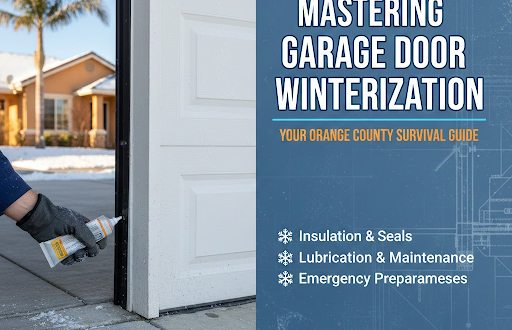
Preparing your garage door for winter does not need fancy tools or professional skills. Just a few small change can save energy, stop damage and make your garage more comfortable. By the end of this guide, you will understand why winter proofing your garage door matters, the common issues to watch for, and practical fixes even if you are not a DIY( Do-it-yourself ) expert.
Common Winter Problems With Garage Doors
Due to the cold weather, problems are more likely to arise with your garage door due to its direct exposure to the cold elements. With the average lifespan of a garage door being around 15 – 30 years, it is fair to say that if your garage door is of this age, it could be potentially open to issues especially when targeted by frost and snow during the winter months.
We recommend that you stay vigilant and keep an eye out for these five common garage door problems seen during the winter period:
1. Frozen Door
If the weather drops below freezing you may notice that your garage door actually gets frozen to the ground or to the side of your property when you attempt to open it in the morning rush to get to work and grab your car. This can be a nightmare for anyone however is a common occurrence that happens when it does get cold enough. This occurs when water and moisture are caught at the bottom of your garage door leading to it freezing when temperatures drop quickly.
2. Damaged Door Springs
The door springs of your garage door can get damaged due to general wear and tear however due to the added tension in the winter months due to the drop in temperature, these springs get added tension to them. Thai cold air can cause the springs to become more brittle than usual and will eventually break especially when called into action quickly such as in the morning rush to work after a cold winter night.
3. Contracted or Warped Metal
Another common problem that can occur to your garage door during the winter months is that the metal panel can become reduced or bend. As you learned in basic physics class in school, metal when reveal to cold temperatures will become smaller. This means when the outside temperature drops all the metal parts in your garage door can bend and tighten. This will result in the door becoming more difficult to move than usual to open and not pulling open with soften as you may open in the summer months. That is why you may notice it seems to become more of a struggle to open your garage door in the winter months.
.4. Worn Weather Stripping
Another common winter problem for garage doors is worn weather stripping. While it does not stop the door from opening, it is still important to repair. The weather stripping around your garage door keep out cold air. In very cold weather, it can break down and let cold air and water into your garage. Fixing it early helps keeps your garage dry and comfortable.
5. Hardened Grease
Another common winter related problem that damage garage doors is the hardening of grease within the doors. During colder months, the oil and greases applied to various parts of the door tend to solidify due to low temperature. This solidification holds the smooth movement of components such as rollers, hinges and tracks. As the lubricants harden, they lose their ability to smooth movement, causing the garage door to operate poorly than in warm temperatures. This solidity of grease can hold back the door’s smooth opening and closing.
Simple Winterization Tips That Actually Work
Winter proofing your garage door is easier than most people think. Here is how to do it helpfully:
1. Inspect and Replace Weather Stripping
Check the bottom and side seal carefully. If they are cracked or hard replace them immediately. Weather stripping stop cold air, moisture and even small insects from getting in.
- Add Insulation
Insulated garage doors are the game changer. They keep the garage warmer in winter, cooler in summer and also help protect rooms which are attached to the garage. Many homeowners are surprised to find that insulated door can stay 22-25 degrees cooler in the summer.
For more details, check here:
https://www.ocgaragedoorsguys.com/single-post/the-benefits-of-insulated-garage-doors-for-homes
Adding insulation may look like a small step but it really transforms your garage energy. Honestly, even a partially insulated door can make a huge difference, mostly on those cold early mornings.
3. Lubricate Moving Parts
Hinges, rollers and springs all need a little attention. A silicone based spray or garage door lubricant make sure smooth operation. Believe it or not, a quiet and smooth door make mornings feel so much better. And trust me, nothing is more irritating than a door that sticks when you are walking out the door.
4. Inspect Panels, Tracks and Hardware
Loose screws, bolts or minor cracks are easy to overlook. Tightening bolts, clearing debris and checking alignment stop small issues from turning into big problems. I once saw a neighbor’s wooden garage door warp a little after winter because a few bolts were loose. A steel door probably wouldn’t have had that problem. Tighten bolts and do small checks to keep your garage door working well and stop bigger problems.
- Seasonal Cleaning
Wipe down panels and remove dust. Clean doors are easier to inspect and less prone to long term issues. It may look small but it really matters. Plus, it is a quick task that gives you a better view of any hidden issues.
Why Garage Doors Matter More Than You Think
Garage doors do more than just open or close. When they are well maintained, they
- Protect your home
- Reduce drafts and noise
- Improve energy efficiency
- Boost curb appeal and overall property value
For professional guidance or solutions, check: https://www.ocgaragedoorsguys.com/
Even if the door looks fine from outside, minor winter issues might be hiding under. Catching them early prevents costly repairs and improve comfort over the long term.
Conclusion:
Winter proofing your garage door is much easy than it sounds. Checking seals, adding insulation, oiling moving parts and checking hardware can stop damage, improve the comfort and save energy.
Honestly, small changes all the time make a big difference. You will be surprised at how these few simple steps make a winter headache into a low effort improvement. Orange County homeowners who follow these tips enjoy peaceful, safer and more energy saving garages all year.